


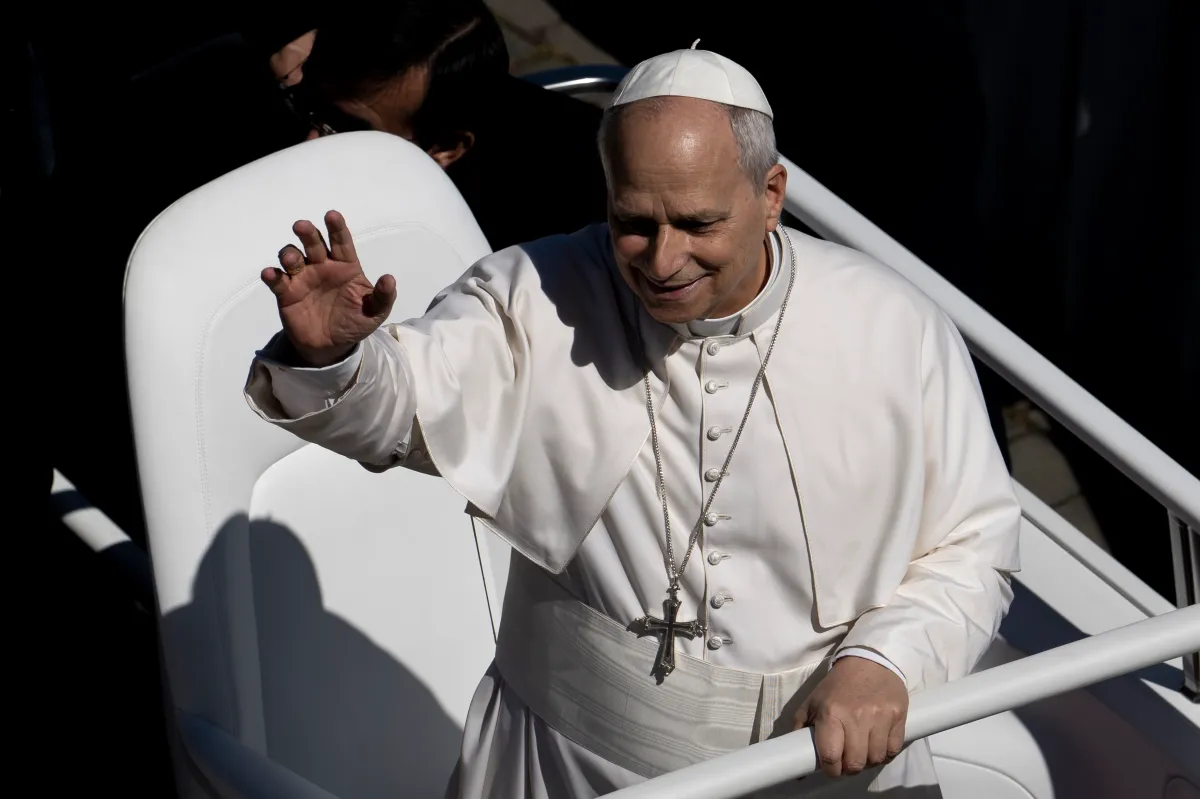
The Shadow of an Ancient Papacy Looms Over Modern Diplomacy
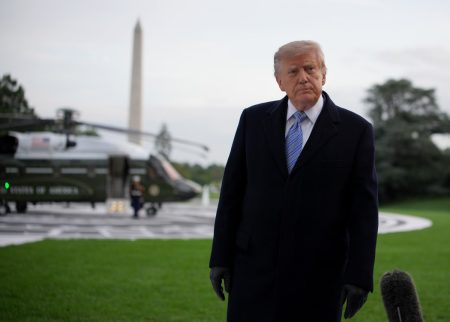
You know how sometimes, in the hustle of politics and power plays, old history echoes through the present like a ghost from the past? That’s exactly what happened when whispers of a Pentagon official casually dropping the term “Avignon Papacy” during a tense chat with Vatican folks started circulating. It felt like a veiled warning, aimed straight at Pope Leo XIV and the Holy See, especially given the pope’s vocal critiques of U.S. President Donald Trump’s stance on the Iran war. Living in a world where leaders throw around references to medieval battles or forgotten doctrines, it’s easy to see how this obscure historical nod could rattle the Vatican. One insider suggested it was a not-so-subtle hint from Trump’s team that the church needed to align with American military strategies or face consequences. JD Vance, the vice president, even chimed in after these reports from The Free Press surfaced, saying he’d look into claims that high-ranking Pentagon officials gave a lecture to Cardinal Christophe Pierre, the Vatican’s ambassador to the U.S., which supposedly led to Pope Leo XIV canceling a planned visit to America. Vance, speaking from Hungary, kept it diplomatic, noting he won’t speculate on unconfirmed stories. But the vibe? It was heavy—tensions simmering between a superpower and one of the world’s oldest institutions. People are piecing together whether this was just a heated argument gone wrong or a calculated move to intimidate. In our interconnected times, where faith and state power constantly collide, such exchanges remind us how fragile those lines can be. The Defense Department downplayed it, calling it a “respectful and reasonable discussion” while the Vatican remained silent when contacted for comment. Yet, for many observers, this wasn’t just a meeting; it was a glimpse into how ancient mistakes might foreshadow new schisms. Imagine being in that room: the cardinal, representing centuries of spiritual authority, facing down military might. It’s the kind of human drama that plays out in boardrooms and palaces, where words carry weight far beyond their surface. As we navigate our divisive days, riddled with wars, migrations, and ideological clashes, this incident forces us to reflect on what happens when ethics and geopolitics clash head-on. The pope’s criticisms of force over dialogue being replaced by Trump’s doctrine of dominance—echoed in his “Donroe Doctrine”—added fuel to the fire. Historians and experts like Christopher Hale are dissecting it, wondering if the administration was signaling a break with tradition or something more ominous. For everyday folks, it’s a wake-up call: even revered institutions like the church aren’t immune to the pressures of worldly power. This story unfolds against a backdrop of real lives—refugees fleeing across seas, soldiers in distant conflicts—urging us to question who truly holds the moral high ground in an era of trumpeted strength.
Historians often remind us that the past is never really past; it sneaks into our present conversations like an uninvited guest at a family dinner. Take the Avignon Papacy, for instance—a chunk of medieval history that lasted from 1309 to 1377, and it’s being trotted out now to explain tensions between a modern Vatican and a hawkish White House. Picture this: seven popes, instead of ruling from the grandeur of Rome, set up shop in Avignon, France, a place that back then wasn’t even fully under French control. It all kicked off due to a fierce tug-of-war between Pope Boniface VIII—blustery and unyielding from 1294 to 1303—and King Philip IV of France, that crafty monarch who clashed with the pontiff over taxes and church sovereignty. Canon law was crystal clear: no levying taxes on clergy without papal permission, but Philip pushed back hard, testing limits of power. Things escalated into a standoff that felt personal, dragging on even after Boniface’s death. Enter Benedict XI, a short-lived pope who tried to mediate, but his reign barely lasted a year. Then came Clement V, a Frenchman handpicked by Philip’s manipulations, who wasted no time reversing Boniface’s policies to curry favor with the king. Under pressure, Clement chose Avignon as his base in 1309, claiming it was just temporary while Italy simmered in political chaos. But “temporary” stretched into 68 long years, reshaping the church’s identity. This relocation wasn’t accidental; it mirrored the king’s will, turning the Holy See into what some saw as a pawn in French games. The echoes of this shift lasted far beyond its end. When Pope Gregory XI, another Frenchman, decided in 1377 to head back to Rome, it triggered the infamous Great Western Schism of 1378—a messy power vacuum that spawned rival popes, worshipers tearing at alliances, and chaos that split Europe for decades. Three people claimed the papal throne simultaneously, one in Rome, others in Avignon, each backed by factions that mirrored the old French influences. It was only resolved in 1417 through the Council of Constance, but not without bitter disputes and the Vatican emerging scarred. Reflecting on this now, in our age of instant news and global summits, it’s striking how a king’s petty demands could uproot an entire faith. People back then probably felt betrayed, confused, just like Vatican officials might feel today. The lesson? Power, when unchallenged, can twist institutions from their roots. If you think about it, Clement V starting off by setting boundaries shows how even spiritual leaders navigated survival. In 2000, we’d see parallels in trade wars or sanctions; then, it was about taxation and territory. The schism didn’t just divide the church—it fueled political intrigue, invasions, and rivalries that shaped the Renaissance. For a casual reader, it’s a reminder that history isn’t dry dates and names; it’s about human ambition, fear, and the fight for control. When we hear of an “Avignon Papacy” today, we’re tapping into that same vein of relocation and rebellion. Popes like Clement embodied compromise for peace, but at what cost? Modern diplomacy often mirrors this: reluctant moves to appease giants, like a small nation yielding to a superpower. If Philip IV could bend the papacy to his whims, what might a reference to Avignon signal in negotiations involving one of the world’s mightiest military forces? It humanizes the long game of influence, showing how even popes dealt with bullying monarchs, making battles feel timeless.
Diving deeper into the heart of this modern drama, we can imagine the scene in that January Pentagon meeting—a closed-door affair that stirred so much buzz, even if official records are scarce. Reportedly, Under Secretary of War for Policy Elbridge Colby summoned Cardinal Christophe Pierre, Pope Leo XIV’s ambassador, right after the pontiff’s annual World Day of Peace address. The pope, ever the peacemaker, had used the platform to lament how diplomacy founded on force was overtaking dialogue-based approaches. Ouch—that line stung insiders, who saw it as a jab at Trump’s “Donroe Doctrine,” an update to the old Monroe Doctrine emphasizing U.S. military dominance in the Americas. Ferraresi from The Free Press, drawing from anonymous sources close to both sides, paints a tense picture: Colby ramping up the pressure, stressing America’s unmatched military prowess and insisting the Catholic Church choose a side. The cardinal, embodying spiritual prudence, must have felt the room closing in, where high-stakes talks turn into lectures. And then came the historical bomb: Colby mentioning the Avignon Papacy, not casually, but pointedly. It’s like quoting a forgotten feud in a family argument—it hits hard for those who know. This wasn’t just chit-chat; experts like Christopher Hale interpret it as warning of dire outcomes if the church defied U.S. policy. For Cardinal Pierre, this could have been surreal—representing a figurehead of timeless faith, only to be schooled by defense strategists. In our everyday lives, think of it as a boss laying down the law to an employee, complete with coded threats. The meeting capped months of brewing animosity between Trump and the pope, whose anti-war stances grew louder amid global conflicts. Pope Leo XIV’s words about consensus versus coercion clashed with Trump’s iron-fisted foreign policy, especially in Iran. Sources say Colby drilled into Pierre on supporting tactics that prioritized American interests, perhaps nudging toward alignment or risk. Yet, no transcripts exist; all’s from briefings to Ferraresi. The human element shines through: intermediaries like Pierre—dedicated diplomats bridging faith and state—navigating these minefields. If you’re like me, pondering life’s big questions, this incident underscores how personal convictions can spark international frictions. Was Colby testing waters, or was it a slip? Either way, it escalated, leading to the pope’s U.S. visit being scrapped indefinitely. The Vatican, per reports, toyed with celebrating America’s 250th anniversary but cited policy rifts as the deal-breaker. We’re reminded that even spiritual journeys have earthly pitfalls; the pope’s trip to Lampedusa on July 4, focusing on migrants, contrasts this American standoff. From a narrative lens, it’s a morality tale of power’s persistence, where a cardinal’s poise meets a secretary’s assertiveness. Hale describes the encounter as heated, perhaps revealing frustrations that simmer beneath veneers of courtesy. In reflecting, we see how history’s shadow extends—Avignon wasn’t just a place but a pivot point, mirrored here in hushed Pentagon rooms. For the cardinal, who fosters dialogue across divides, this was more than politics; it was a test of resolve in an era where voices like Leo’s champion compassion over combat.
What might such a loaded reference truly mean? In conversations like this, history’s breadcrumbs can unpack motivations, revealing intentions wrapped in subtlety. For many, evoking the Avignon Papacy signals unease about the Trump administration potentially engineering a new church split, forcing the Vatican to bend or break. Critics suggest it nods to religious bodies resisting state authority, drawing parallels to how French kings once redirected papal influence. Mike Young, a sharp commentator on civic affairs, nailed it on X: “That’s not a slip of the tongue,” he tweeted, calling it a “studied historical reference deployed deliberately” to intimidate. Imagine the message as a historical dossier dropped mid-chat— “Remember when the papacy moved because of pressure? Don’t make us force a relocation.” Yet, Ferraresi dismisses military threat theories as absurd, arguing it’s no call to arms against Vatican City. Others wonder about schism’s symbolism, akin to medieval splits where popes lost autonomy. In this context, the reference humanizes power dynamics: the U.S., like Philip IV, wielding leverage over an institution that transcends borders. For ordinary believers, it’s poignant—envisaging faith’s malleability under secular might. Trump and Leo XIV’s clashes echo themes of obedience versus independence, with the pope promoting peace while critics accuse him of bias against Western interests. The Avignon analogy implies that if the church stays “Italian” and defiant, consequences could mimic history’s exiles. Some interpret it as a bluff to align on war strategies, testifying to Trump’s doctrine’s dominance. In our lives, we face similar choices—yield to authority or stand firm? For the Vatican, this isn’t arcane; it’s a reminder of past compromisers like Clement V, who prioritized survival over principle, leading to long-term turmoil. Experts debate if Colby meant to intimidate or educate, but the timing—post the pope’s peace address—lends credibility to alarm. As we unpack this, it feels like a chess maneuver in high-stakes geopolitics, where a single phrase crafts narratives of rebellion. If Avallon forced a papal shift, might modern forces provoke ideological fractures? The discussion broadens to ethics of power, questioning if such references normalize coercion. In a world of misinformation, Young’s take resonates: deliberate, not accidental. For the cardinal, it must have felt like facing down historical ghosts, urging reflection on faith’s endurance against temporal powers.
Official responses add layers to this unfolding saga, blending deflection with guarded engagement. The Department of Defense, through a spokesperson’s comment to Newsweek, brushed off the Free Press portrayal as “highly exaggerated and distorted.” They reframed the meeting as a “respectful and reasonable discussion,” emphasizing high regard for the Holy See and welcoming ongoing dialogue. Meanwhile, JD Vance, Trump’s Catholic vice president, dodged specifics in Hungary, cautioning against commenting on unconfirmed reports—wisely keeping options open. The Vatican, contacted by email, offered no immediate rebuttal, heightening intrigue. These stances humanize the stakes: officials protecting narratives, revealing how statecraft often dances around truth. For U.S. observers, Vance’s neutrality rings prudent, avoiding escalation. Yet, skeptics point to the pope’s canceled trip as a tangible outcome, ostensibly due to Trump’s policies. Beyond denials, tensions persist—Leo XIV’s anti-war sermons continuing to critique force-driven diplomacy, seen by some as veiled U.S. indictments. Immersed in this, think of diplomats as mediators in a family feud, shielding alliances. The DoD’s politeness suggests maintaining ties, crucial in a polarized global scene. Vance’s response, as a practicing Catholic, adds personal nuance, questioning potential conflicts of interest. For everyday Catholics, this mirrors dilemmas between faith loyalty and civic roles. On the Vatican side, silence might indicate strategy—letting actions speak, like the pope’s forthcoming Lampedusa visit amid migrant crises. These exchanges underscore diplomacy’s fragility, where “respectful” clashes hide undercurrents. From a human perspective, officials like Colby or Pierre navigate pressures, their words shaped by loyalties. As stories evolve, question veracity—denials don’t erase sourced claims. Young’s online critique elevates scrutiny, prompting reevaluation. Ultimately, responses highlight accountability gaps in power structures, urging vigilance.
Wider ripples continue beyond the Pentagon encounter, painting a portrait of unrelenting friction. Pope Leo XIV’s critiques, rooted in compassion, clash with Trump’s assertive style, exemplifying faith-state divides. Reports tie the meeting to the delayed U.S. visit, a blow to 250th anniversary plans, citing foreign policy discord. The pope’s choice—prioritizing ethics over optics—reflects depth. Humanizing this, envision believers grappling with leadership ethics, torn between pacifism and national might. On July 4, Leo’s Lampedusa pilgrimage underscores migration priorities, contrasting American nationalism. This juxtaposition prompts reflection on global disparities. For observers, persistent tensions reveal institutions’ vulnerabilities—church and state entangled in morality’s gray areas. Analysts like Ferraresi link events, suggesting policy shapes outcomes. In thoughtful analysis, the Avignon nod symbolizes forgotten lessons, urging retrospection. As narratives build, individuals ponder implications for unity. Amid conflicts, these stories remind us of humanity’s quest for harmony. Vance’s caution and DoD’s assurances mitigate strife, yet questions linger. For many, it’s a catalyst for dialogue on power’s ethics. Ultimately, this saga illustrates resilience, with history as guide.