


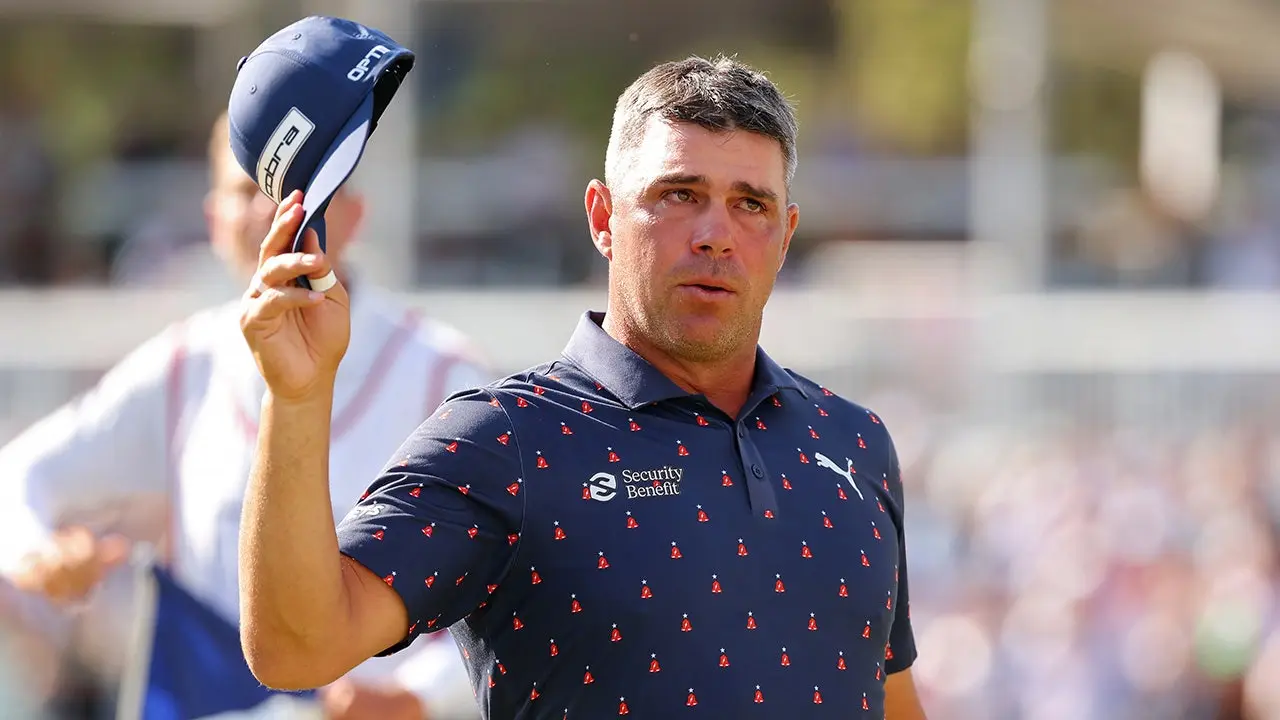
Gary Woodland strolled down Magnolia Lane, the iconic driveway lined with towering oaks and azaleas, feeling a mix of nostalgia and trepidation that he hadn’t known in his previous visits to Augusta National. It was his first time back at the Masters since 2023, and the significance hit him harder this year. Just months earlier, in March, he had shocked the golf world by winning the Houston Open, a victory that not only revived his career but also punched his ticket into this elite field as the last qualifier. For a 41-year-old pro who had battled major health issues, this was more than just a golf tournament—it was validation of his resilience. As his golf cart turned the corner toward the clubhouse, Woodland took a deep breath, reflecting on how he’d driven slower this year, savoring every tree and blade of grass. “I love this place,” he recalled saying to reporters. The tradition of Augusta felt like a warm embrace, a sanctuary from the chaos of the outside world, where every fairway whispered stories of legends like Jack Nicklaus and Tiger Woods. But beneath that admiration simmered a vulnerability he couldn’t ignore. The crowds were denser than ever, bodies pressing close on the tees, their cheers both exhilarating and overwhelming. Woodland knew it was a safe environment—no tournament was more secure—but his mind wandered to darker thoughts. He felt exposed, like eyes were judging him, and it stirred memories of his recent struggles with PTSD, a battle that made even a celebratory return feel like a high-stakes gamble on the course of his sanity.
Deep down, Woodland’s appreciation for Augusta stemmed from those personal battles that had almost kept him away. His win at the Houston Open wasn’t just about sinking putts; it was about reclaiming his life after a year of turmoil. In 2023, doctors discovered a benign brain lesion that triggered seizures, plunging him into anxiety and fear. Surgery removed it, but the scars lingered, leading to a PTSD diagnosis. He missed the 2023 Masters cut and the entire 2024 event, finishing 70th in Houston with just three makes. Each swing felt heavy, each victory distant. Yet, here he was, three months later, hoisting the trophy in Texas, tying for 14th last year here at Augusta. The emotions flooded back as he walked the grounds, his caddie and close friends noticing the quiet introspection. He chatted with old timers in the locker room, sharing laughs about past rounds, but when asked how the win felt, he spoke candidly about the indifference of his ailments. “Having this brain tumor and having PTSD, it doesn’t matter if I win or lose. It doesn’t care,” he said, his voice cracking slightly. It humanized him—not the superstar golfer, but the man who feared never finding peace, who drove the lane slower to etch every moment into memory, knowing how close he’d been to never returning. That reflection made the azaleas bloom brighter, the pines stand taller, turning a golf event into a tale of perseverance.
The crowds, however, posed a real hurdle. Augusta National’s intimate setting, with fans mere feet from the tee boxes, amplified Woodland’s PTSD symptoms. He described it as “a battle in my head,” where the throng of spectators triggered paranoid thoughts, making him question if he was truly safe. In a sport renowned for its decorum, this vulnerability added layers to his presence. Woodland wasn’t just hitting drives; he was navigating a mental minefield. Phil Mickelson’s withdrawal from the same event underscored the high stakes— even icons struggled without the spotlight. Yet, Woodland channeled his inner strength, embracing the “unsafe” feeling as part of his journey. It made him relatable, a reminder that behind the polished image of professional athletes lay human fears. As he practiced his swing on the range, fans murmured encouragements, some unaware of his internal war. He smiled through it, but inside, every cheer echoed louder, a reminder of why security felt essential. This year, more than any other, Augusta wasn’t just about green jackets; it was about green spaces in his mind, finding solace in tradition to combat the storms within.
Unraveling Woodland’s PTSD meant revisiting the pivotal 2023 surgery, a procedure that was meant to end his suffering but instead unearthed new depths of psychological turmoil. The benign lesion had caused unexpected seizures during play, paralyzing him with fear on the course. Post-op, the anxiety morphed into full-blown PTSD, leaving him hypervigilant and distrustful, even in familiar settings. He sought therapy, confiding in friends like Rickie Fowler, who understood the grind. At Augusta, he met with tournament officials to map out security protocols. They walked him through each hole, pointing out sniper points and emergency teams hidden in plain sight. Visual cues mattered—seeing a uniformed guard reassured him, a constant reminder of safety. It was therapeutic in a way, turning vulnerability into strategy. Woodland felt empowered, less like a patient and more like a participant in his recovery. Sharing this publicly humanized the ordeal, showing how mental health challenges affect even those in peak physical condition. Fans began to view him not just as a contender but as an inspiration, a golfer forging a path through invisible hurdles. That meeting became a cornerstone, blending Augusta’s elegance with real-world healing.
The Houston Open incident two weeks prior remained raw in his mind, a microcosm of his broader struggles. Late in the second round, paranoia gripped him during the final 10 holes. “I battled thinking people were trying to kill me,” he admitted, his body coiled with tension. Security was at his side, but the fear bled through, leading him to debrief with PGA Tour officials afterward. They validated his concerns, ensuring he had backup for the weekend. Strangely, that vigilance contributed to his win, focusing his mind amid the chaos. Returning to Augusta, he drew parallels, realizing how PTSD intertwined with his game. It wasn’t about excuses; it was about authenticity. Earning his Masters spot via that victory felt earned, a testament to pushing through darkness. He reflected emotionally, saying he was proud for clawing back, knowing perilously close he’d been to absence. This narrative painted Woodland as a fighter, his journey resonating with those grappling with unseen battles, turning spectator sport into shared humanity.
As the Masters unfolded, Woodland’s story wove deeper into the fabric of the event, symbolizing triumph over adversity. Follow Fox News for more updates, but his tale stood alone—a man using golf as a mirror for mental resilience. It encouraged open dialogue, reminding us that icons like him face demons too. By humanizing his experience, we see beyond scores, into the heart of a champion still discovering peace on hallowed grounds.