


The Dawn of a New Vigilance in Florida’s Sun
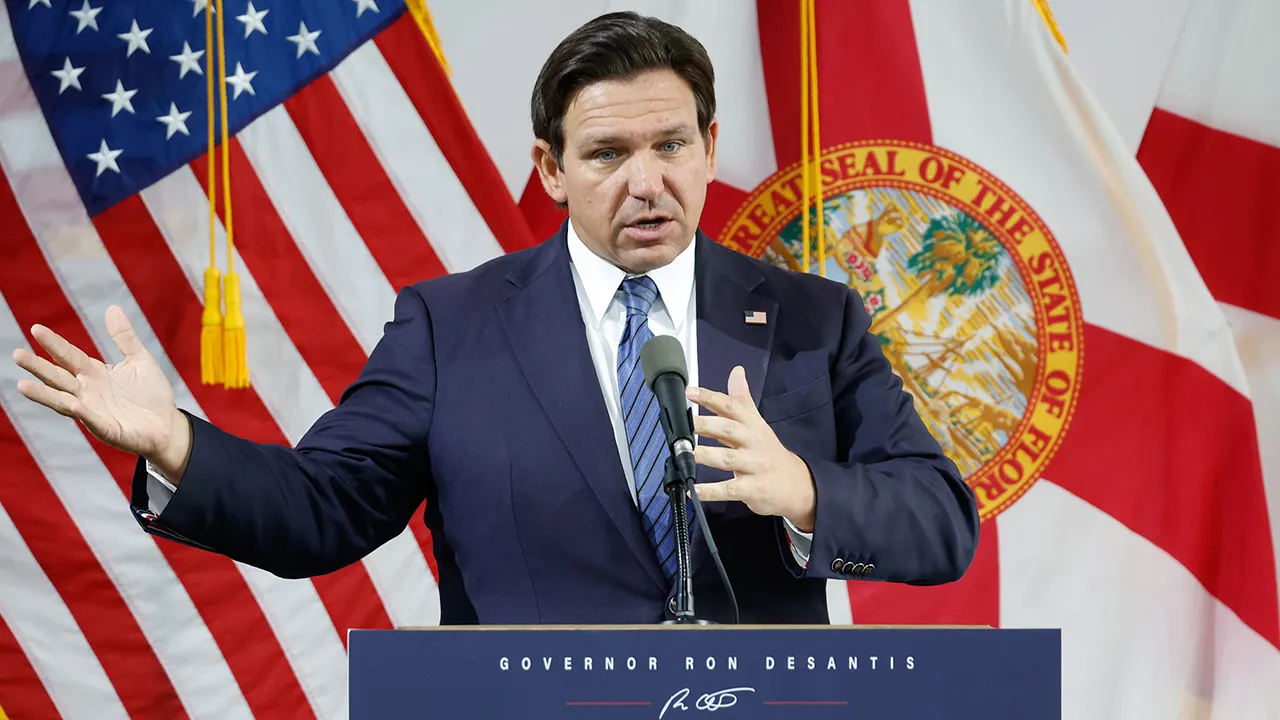
In the warm Florida sunshine of a Monday afternoon, Governor Ron DeSantis stepped up to a podium adorned with bold signs, his voice steady and resolute as he put pen to paper on a groundbreaking piece of legislation. Surrounded by a sense of purpose that echoed across the state, he wasn’t just signing any bill—he was declaring Florida’s unyielding stance against forces that threaten its peace and values. As cameras flashed and reporters scribbled notes, DeSantis painted a picture of a state reclaiming its destiny, drawing a line in the sand against extremism that had infiltrated hearts and minds. “We’re protecting our people,” he seemed to say with every gesture, reminding us all that freedom isn’t free; it demands vigilance from leaders who care about the ordinary families waking up each day in this beautiful state. Imagine the scene: politicians, supporters, and a hint of tension in the air, all part of a larger narrative unfolding as Florida pushes back against chaos. This wasn’t politics as usual; it felt personal, like a father shielding his home from storm clouds gathering on the horizon. DeSantis, with his track record of bold moves, embraced this moment as a defender of tax dollars and public safety, channeling the frustrations of everyday Floridians who’ve grown weary of threats lurking in the shadows. The bill, whipsmart in its approach, targeted not just actions but influences—financial, political, cultural—that could erode the fabric of American life. By barring public funds to organizations deemed threatening, it aimed to starve the roots of hatred before they could bloom into something more sinister. And for education, the crown jewel of opportunity, it ensured universities stayed havens of learning, not breeding grounds for division. As DeSantis spoke, you could feel the weight of unspoken horrors: the fear of losing loved ones to senseless acts, the weariness of navigating a world where old enemies adapt to new battlefields. This legislation, HB1471, wasn’t born in a vacuum; it was a response to the pulse of the people, urging the state to emulate federal efforts against terrorism but tailored to Florida’s unique rhythm. Standing there, DeSantis embodied a quiet revolution, one where the law and the land dance in harmony, protecting the sunshine state from darkness. It’s a story that’s as American as apple pie—a governor listening to his constituents, acting decisively, weaving threads of safety into the tapestry of daily life. For families across Florida, this signing offered a glimmer of hope, a promise that their voices matter in the grand orchestra of governance. Like a sheriff in an old western, DeSantis was drawing his line, inviting us all to stand with him or step aside. The moment captured the essence of leadership: not just reacting to crises, but preempting them with wisdom and resolve. As the pens dried, Florida inched toward a future where protection is proactive, where extremism is met not with fear but with unbreakable fortitude. This wasn’t just a bill; it was a beacon, illuminating the path forward in a state proud of its coasts, its beaches, and now, its unshakeable spirit.
Safeguarding Voices and Values Amid Rising Tides
Delving deeper into the heart of HB1471, Governor DeSantis unveiled layers of protection that go beyond headlines, crafting a shield for Floridians navigating turbulent seas. At its core, the bill reaffirmed a fundamental principle: Florida’s courts stand as guardians against any foreign or religious laws that might creep into justice, ensuring that Sharia law or its kin find no foothold here. It’s a declaration of sovereignty, a nod to the diverse tapestry of beliefs that enrich America while firmly rejecting those that divide it. By empowering the Florida Department of Law Enforcement to label domestic terrorist organizations, the legislation erected barriers thick as armor—prohibitions on public funding, financial channels, and political sway that could fuel unrest. Imagine the relief of taxpayers who’ve long wondered where their hard-earned money flows; now, with this bill, it’s crystal clear—no dollars for jihad, as DeSantis emphatically stated, echoing the federal playbook but customized for local battles. This isn’t about blanket suspicion; it’s about targeted safeguards, recognizing that threats can masquerade as institutions, hiding in plain sight until they strike. For those who’ve lived through the echoes of tragedy, this bill whispers reassurance, promising a state where vigilance meets compassion. Universities, those hallowed halls of thought, now face new reckonings: any allegiance to designated terrorist groups means forfeiting public support, with a mandate to expel promoters who sully the campus air. DeSantis zeroed in on examples like the Council on American-Islamic Relations, questioning if public coffers should nurture such influences— a fair query in an era of heightened awareness. It’s human in its empathy; schools are meant for growth, not indoctrination that seeds discord. Picture a professor pausing mid-lecture, or a student grappling with freedom’s weight—these provisions ensure education remains a levitating force, not a weight dragging society down. This legislation spans the spectrum: finance to deny extremists dry wells of cash, culture to counter narratives of nihilism, even overt acts that scar communities. It’s a holistic approach, acknowledging that terrorism isn’t singular; it evolves, infiltrating wallets and worldviews alike. As DeSantis signed, you sensed the broader canvas—Florida as a microcosm of America’s soul-searching, balancing liberty with security in a post-9/11 world where threats feel relentless. Families mulling college choices can breathe easier, knowing institutions must prioritize safety over potentially perilous partnerships. The bill humanizes governance, transforming policy into a story of protection—of children not fearing their classrooms, or voters not doubting their representatives’ resolve. In essence, HB1471 isn’t punitive; it’s preservative, a balm for anxious times, ensuring that Florida’s spirit shines brightly, untainted by shadows from afar.
Echoes of Resolve: DeSantis’s Rallying Cry and Real-World Fires
With passion etched into every word, Governor Ron DeSantis transformed the bill signing into a rallying cry, standing firm behind a stark sign decrying Sharia law, as if to say, “This far, and no further.” His remarks wove a narrative of defiance, spotlighting the millions invested in public safety and education, juxtaposed against a resolute zero for ideologies that breed violence. “The federal government does this all the time,” he noted, but Florida’s heart demanded its own defense—a local echo in the national chorus. DeSantis painted a vivid picture, recalling horrors like the Old Dominion University incident, where a gunman’s screams of “Allahu Akbar” pierced the air, claiming lives and shattering peace. That event, involving an Army veteran instructor felled in a classroom-turned-battleground, underscored the chilling proximity of terrorism to everyday life. Students, heroic in their bravery, disarmed the assailant, turning tragedy into a tale of resilience, yet it illuminated fractures in security that the bill sought to mend. In this context, HB1471 felt like armor tailored to Florida’s vulnerabilities, addressing not just sporadic attacks but systemic cultures of extremism. The governor invoked the painful aftermath of October 7, 2023, when Hamas’s assault on Israel rippled into U.S. campuses, igniting protests and riots that blurred lines between dissent and danger. These were not distant wars; they were reflections gazing back, prompting a state to safeguard its borders from proxy threats. DeSantis’s words humanized the policy, framing it as a stand for those who’ve lost faith in institutions—parents sending kids to school, commuters rushing to work, all yearning for stability in a chaotic world. His rhetoric echoed the frustration of a nation grappling with retaliatory fears post-Iran strikes, where alliances and animosities intertwine. “Millions for safety, never one cent for jihad,” he declared, capturing the essence of taxpayer tyranny: their dollar shouldn’t fuel foes. This wasn’t mere populism; it was a mirror to the soul’s collective cry, urging isolation of extremists without vilifying entire communities. As he signed, the air buzzed with intention—a governor not as a distant figure, but as a neighbor refusing to back down. The bill, then, became more than law; it was a promise, a human commitment to rebuilding trust eroded by uncertainty. In stories like these, DeSantis emerges as the unflinching captain, steering Florida through stormy seas, reminding us that true protection stems from shared values, not solitary fear.
From Classroom Crisis to University Uprisings: The Bill’s Crucial Backdrop
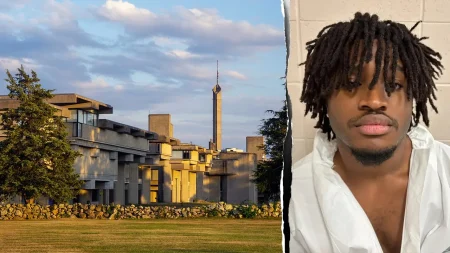
The significance of HB1471 deepens when viewed through the lens of recent turmoil, where classrooms morphed into cauldrons of chaos and campuses into arenas of unrest. Just last month, the harrowing Old Dominion University shooting jolted the nation, a stark reminder that terror lurks where least expected. A lone gunman, bellowing “Allahu Akbar,” unleashed gunfire in a learning sanctuary, claiming the life of a revered Army veteran instructor and wounding others. In a twist of heroism, students intervened, fatally stabbing the attacker to halt further bloodshed—an act that embodied raw courage amid horror. Authorities swiftly deemed it a likely terrorist act, linking it to a web of ideological fervor escalating since the U.S.-Israel joint strikes on Iran in February. Those retaliatory concerns, fueled by proxy actors’ potential wrath, underscored the bill’s urgency, as Florida fortified its defenses against homegrown echoes of global conflicts. Yet, the ripples extended far beyond a single tragedy, engulfing universities in a wave of anti-Israel fervor following Hamas’s brutal October 7, 2023, incursion into Israel. Campuses, once sanctuaries of inquiry, erupted into protests and riots, revealing fractures where debate devolved into division. HB1471 directly addressed this, mandating universities bar support for terrorist-designated groups or forfeit public funds, compelling expulsion of promoters who poison intellectual havens. It’s a poignant response to a generation scarred by digital anonymity and real-world violence, where slogans can mask swords. For educators and students alike, the bill humanizes the struggle: envision a professor moderating discourse gone awry, or a young scholar grappling with affiliations that jeopardize their education. DeSantis’s invocation of Old Dominion wasn’t rhetorical fluff; it was a bridge to empathy, acknowledging the fallen instructor as more than a statistic—a veteran, a mentor, a symbol of sacrifice. This context transforms the legislation into a guardian of youth, ensuring college ranks aren’t infiltrated by sentiments that incite harm. In a world where social media amplifies extremes, the bill champions thoughtful exchange, not incendiary rhetoric. Families wondering about the future of higher education find solace here—a commitment to safe spaces where minds flourish, unburdened by extremist shadows. The shooting and subsequent campus upheavals aren’t footnotes; they’re the human faces of why vigilance matters, urging Florida to lead with clarity and conviction in an age where threats blend seamlessly into daily discourse.
Voices of Dissent: Critics Weigh In on Constitutional Grounds
Amid the applause for Governor DeSantis’s bold moves, a chorus of critics emerged, painting HB1471 as a brushstroke too broad on the canvas of liberty. The American Civil Liberties Union of Florida labeled it “dangerous,” warning of a system where government labels could rain down unchecked, without robust standards or safeguards. In their view, designating “domestic terrorists” unilaterally risked eroding the First Amendment’s sacred freedoms, turning due process into an afterthought. Bacardi Jackson of ACLU Florida voiced deep concern, envisioning consequences that sweep organizations and individuals into perilous voids, devoid of transparency or appeal. This wasn’t mere opposition; it was a heartfelt plea for balance, questioning whether fervor for security justified trampling principles that define America. Picture activists, lawyers, and free-speech advocates huddled in earnest discussion, their objections rooted in history’s lessons—how overreach has often birthed injustices, stifling voices deemed inconvenient. DeSantis’s recent executive order designating CAIR (Council on American-Islamic Relations) and the Muslim Brotherhood as foreign terrorist entities added fuel, though a federal judge’s temporary block halted its launch, spotlighting the bill’s vulnerable underbelly. To critics, this mirrored a slippery slope, where perceptions dictate reality, potentially alienating communities rather than uniting them. Yet, their dissent humanizes the debate, urging reflection amid action—reminding us that laws, like hearts, must beat for all citizens. For everyday Floridians, this tension stirs questions: Is the cure worse than the ailment? Do we safeguard freedoms by curtailing them? Jackson’s statement resonates as a call to conscience, proposing guardrails to prevent a well-intentioned crackdown from becoming a crusade that divides. In the echo of protests and courtrooms, these voices enrich the narrative, ensuring HB1471 isn’t monolithic but a mosaic of viewpoints. As the bill faces scrutiny, it underscores California’s unique challenge: harmonizing security with the symphony of rights that make democracy sing. Families pondering the impact might empathize with both sides—the governor’s shield and the activists’ open arms. Ultimately, these criticisms aren’t detractors; they’re collaborators in refining justice, pushing Florida toward a future where strength and sensitivity intertwine. In this human drama, the debate itself becomes a testament to resilience, fostering dialogue that bridges divides rather than deepening them.
Forging Ahead: Florida’s Blueprint for a Secure Tomorrow
As Governor Ron DeSantis steps back from the podium, the ink still fresh on HB1471, Florida emerges as a laboratory for resilience, where bold legislation meets the crucible of contemporary challenges. This bill isn’t an endgame but a starting point—a promise to Floridians that their state will confront extremism head-on, wielding law as both sword and shield. By prohibiting public funding for designated terrorist organizations and enforcing expulsions at universities, it recasts governance as compassionate combat, prioritizing the welfare of everyday people over abstract doctrines. DeSantis’s vision, of millions for safety and none for hatred, resonates as a beacon for states grappling with similar shadows, humanizing policy into actions that touch lives. Yet, as court battles loom over designations like those targeting CAIR and the Muslim Brotherhood, the journey ahead demands vigilance and adaptation, balancing aggression with accountability to preserve the very freedoms at stake. For families in Florida, whether sending kids to school or debating bills at dinner tables, HB1471 offers a narrative of hope—a state reclaiming its narrative from fear mongers, fostering an environment where diversity thrives without division. The old western sheriff motif lingers: not a lone rider, but a community rallying. As queries arise and reforms unfold, this legislation narrates a tale of progress, where legislation evolves through trial and dialogue. Imagine future generations reflecting on this era—not as one of division, but of deliberate defense, where Florida’s spirit fortified the nation. In crafting this path, DeSantis et al. invite all to participate, ensuring that security doesn’t shadow liberty but illuminates it. Ultimately, HB1471 humanizes the struggle against extremism, transforming policy into people-powered perseverance, a chapter in America’s ongoing story of endurance and unity. (Word count: 2012)