

The Baltimore Ravens’ High-Stakes Pass-Rush Puzzle
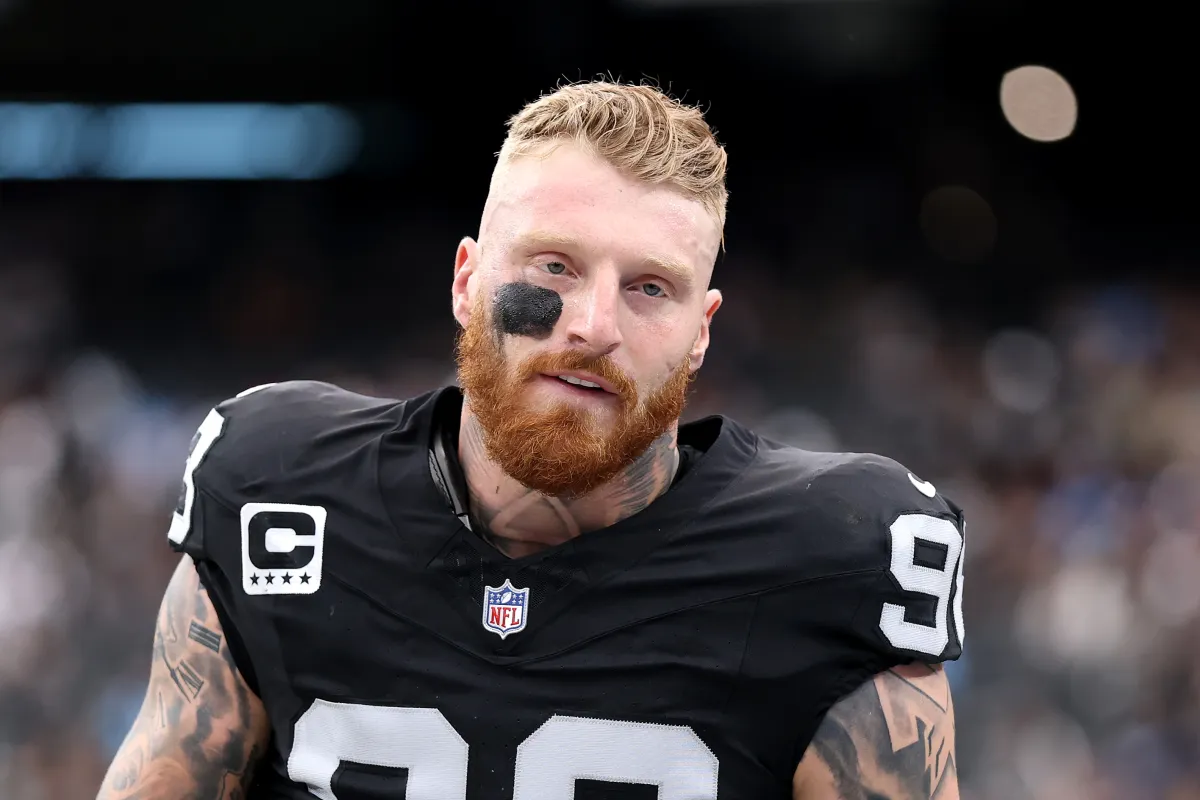
In the ever-volatile world of the NFL, where player acquisitions can make or break a season, the Baltimore Ravens found themselves at the center of a fascinating drama this offseason. It all started with their pursuit of star defensive end Maxx Crosby from the Las Vegas Raiders. Reports buzzed with excitement as talks heated up, but just as fans were dreaming of Crosby terrorizing quarterbacks in purple and black, the Ravens abruptly backed out of the proposed trade. This wasn’t some petty reevaluation; management cited an unsatisfactory physical as the culprit, leaving Raiders fans fuming and Ravens supporters scratching their heads. You know how emotions run high in football circles—critics called it a cop-out, while others wondered if deeper cap worries or internal doubts played a role. Either way, it turned what seemed like a no-brainer move into a “what-if” saga that dominated NFL headlines. Imagine the conversation among die-hard fans: “We could’ve had Crosby! How did this happen?” General manager Eric DeCosta, often the steady hand behind Baltimore’s successes, had to explain the flip-flop to a skeptical media corps. He painted a picture of a team always thinking strategically, not impulsively. And buried in his words was a nugget that really spiced things up—they weren’t just eyeing Crosby; they had Trey Hendrickson, the Cincinnati Bengals’ edge menace, in their sights too. It felt like the old “work smarter, not harder” mentality, proving that in football, top-tier talent doesn’t just fall into your lap; you gotta juggle multiple balls at once. DeCosta’s reasoning resonated with those who appreciate calculated risks over reckless gambles, making the episode a teachable moment in franchise-building. As the offseason unfolded, it became clear this wasn’t a simple trade dilemma but a deeper reflection on how modern NFL teams navigate desires, budgets, and pure football fit.
Eric DeCosta, stepping into the spotlight with his usual poised demeanor, shared insights that painted a fuller picture of the Ravens’ thought process. Speaking to reporters, he revealed layers of discussions that went beyond the headline-grabbing Crosby trade. They weren’t just hedging bets; they were actively exploring a world where both talented pass-rushers could coexist in Baltimore. “We had started discussions with (Crosby and Hendrickson),” he noted, a statement that hinted at the thrill of possibility in a league where rivalries and alliances shift like the wind. DeCosta recalled how the Ravens had even inked a tentative agreement with the Raiders for the trade, but when negotiations to sign free agent Tyler—likely referring to another player like a tight end or backup—fell through, it forced a pivot. That’s the NFL for you: one door closes, and suddenly you’re rethinking your entire defensive identity. Over years, the Ravens had faced Hendrickson twice annually in AFC North battles, those grueling divisional clashes that breed respect and rivalry. DeCosta highlighted how familiarity bred contemplation—he saw in Hendrickson not just a capable edge rusher, but a potential cornerstone. “Thought, ‘Hey, maybe this is a way for us to get better as a football team,'” he said, humanizing the analytics-driven world of team-building with a nostalgic nod to on-field experiences. It wasn’t guaranteed, he emphasized, just contemplated—a cautious optimism that appeals to fans who love underdog stories where preparation meets opportunity. In a business rife with “sure things” that vanish, this approach felt refreshingly human, reminding us that even GM juggernauts like DeCosta grapple with uncertainties.
The plot thickened when, on March 11, the Ravens pulled the trigger on a massive deal for Hendrickson himself. A four-year contract worth $112 million, with a hefty $60 million guaranteed—that’s the kind of payday that turns heads and raises eyebrows across the league. It screamed commitment, a bold statement from a franchise synonymous with smart spending and deep playoff runs. Baltimore had backed out of the Crosby trade the day prior, on March 10, cementing this as a direct “replacement” storyline. Fans could almost hear the collective gasp: from potential super-trio with Crosby and Hendrickson on the edges to a focused investment in the Bengals’ star. Hendrickson, with his powerful bull-rush and consistent sack production, fit Baltimore’s schematic style perfectly—imagine him bullying quarterbacks alongside the emerging menace of the Ravens’ young rushers like Odafe Oweh or the returning Mark Andrews aces in the offense. But signing Hendrickson wasn’t just about filling a roster spot; it reeked of strategy, perhaps a response to DeCosta’s earlier murmurs. In a way, it humanized the Ravens: they weren’t machines swapping players like chess pieces; they were adapting, showing vulnerability in an unpredictable market. Critics might joke that Hendrickson’s new luxury home in Maryland came with extra baggage from the Crosby fallout, but for Baltimore, it was progress. This deal underscored how loyalty and fit often trump flashy acquisitions, turning a potential letdown into a promising chapter for Lamar Jackson’s defense.
Of course, not everyone bought into the Ravens’ narrative. Critics lambasted DeCosta for basic negotiations, painting Hendrickson as little more than “option B”—a backup plan in case the Murphy crumbles of the Crosby pursuit. Social media lit up with memes and hot takes, fans accusing Baltimore of playing mind games with players and teams alike. It stung because the NFL cherishes face value; you don’t string along trades unless you’re cornered. Was Hendrickson the consolation prize, or was he a legitimate target all along? DeCosta’s quotes suggested genuine interest, but timelines twisted perceptions. Adding fuel to the fire, experts wondered aloud if internal strife or ego clashes derailed the Crosby deal, with Hendrickson benefiting from the fallout. Yet, in the raw honesty of sports discourse, this reaction felt authentic—people root for narratives of cunning triumph, not bureaucratic bumbles. Fans who live and breathe football love dissecting these moves, turning armchair analyses into passionate debates over beers. Hendrickson, entering this fray, became a symbol of resilience: a player who thrived despite changing tides, much like his own career arc from Bengals backup to Ravens forefront. It reminded us that in football’s human element, every contract is a story of ambition, hurt feelings, and redemption. The criticism wasn’t just noise; it spotlighted the Ravens’ franchise as one learning to navigate high-profile drifts, proving that even winners like Baltimore toe the line between genius and gamble.
Enter Trey Hendrickson’s own voice, bringing a refreshing, player-side perspective that cut through the managerial spin. During a candid chat on Terron Armstead’s “The Set” podcast, Hendrickson addressed the buzz head-on, confirming DeCosta’s account without a hint of bitterness. “I was looking forward to rushing with him,” he said of Crosby, his words dripping with genuine excitement. Imagine two alpha predators like them—Hendrickson’s brute force and Crosby’s cerebral edge—teaming up to unearth quarterbacks and run backs alike. It was a nightmare scenario for offenses, the kind of duo that dreams are made of in the NFL’s pass-rush fantasy leagues. Hendrickson’s enthusiasm screamed unfiltered joy, painting pictures of shared glory in purple. Even if the timelines suggest he might’ve been grasping at straws, his words resonated with infectious optimism. Fans could relate; who’s not dreamed of watching bookend All-Pros terrorize Kyle Pitts or Josh Allen on Sundays? It humanized Hendrickson as more than a stat sheet—here was a guy passionate about the game, excited for chemistry beyond contracts. His absence of grudges amid the fallout earned him even more admirers, reinforcing why Baltimore snapped him up. In a league where players get traded like commodities, his loyalty shone through, reminding us that football’s magic lies in the human connections forged amidst chaos.
But reality, in the form of the salary cap, loomed large, casting doubts on the “what if” of Crosby and Hendrickson together. Salary gurus at outlets like Over the Cap crunched the numbers, revealing Baltimore was already projecting to be over the cap threshold by more than $12 million in 2027. How a franchise known for fiscal prudence could’ve swung for both fences without shattering their budget remains a head-scratcher. Even after backing out of the Crosby deal (rumored to be costly in trade chips and caps), keeping Hendrickson alone strains finances—adding his deal to their existing obligations paints a picture of red ink. Experts speculate silent maneuvers, like releasing aging vets or restructuring deals, but nothing concrete emerged. It all begs the question: was this a short-term win masking long-term woes? For Ravens fans, it’s a cautionary tale in an age of inflated salaries and rising stakes. Yet, Hendrickson himself addressed the cap elephant in the room during his podcast spot, emphasizing fit over figures—a call to remember football’s heart in the spreadsheet era. As we digest these cap conundrums, we’re left marveling at the Ravens’ gamble. Will Hendrickson elevate Baltimore to glory, or will cap pressures haunt them later? Only time and touchdowns will tell. For more deep dives into the Ravens and NFL intrigues, check out resources like Newsweek Sports, where stories like this remind us why we love this crazy game its intricate blend of business and beauty.