


The Tragic Fate of a Young Life in Chicago
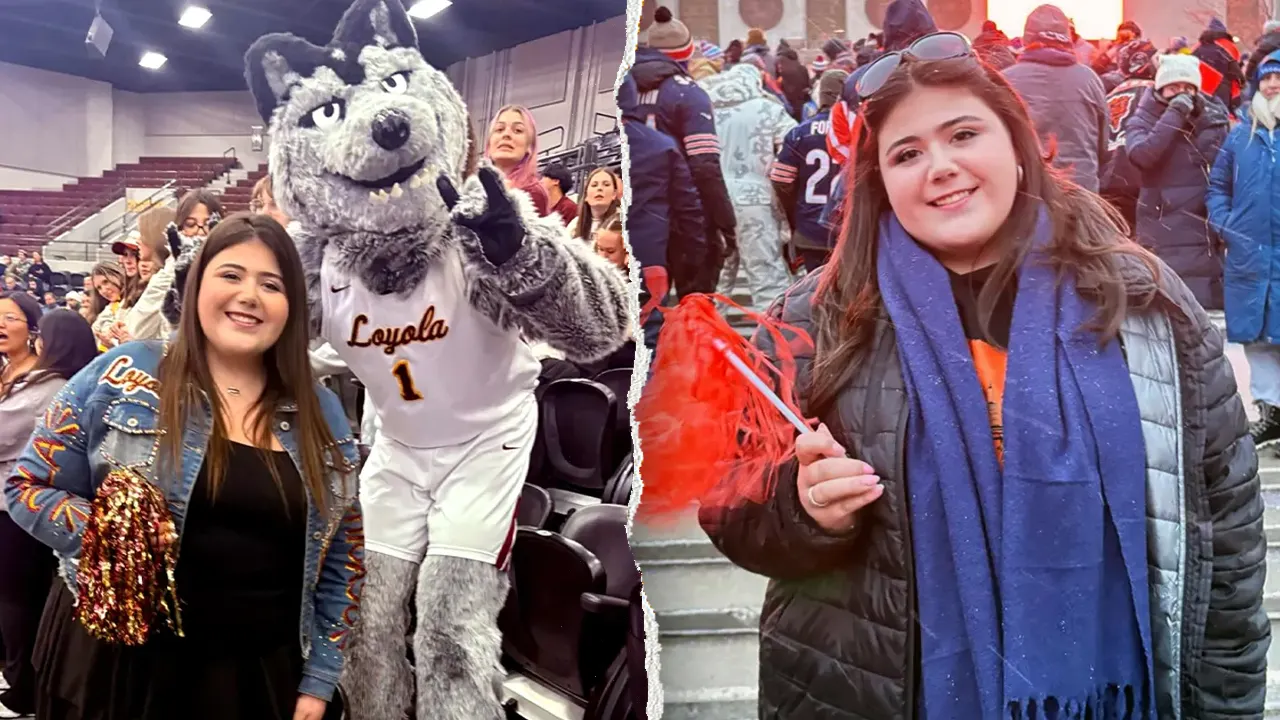
In the quiet hours of last Thursday, a devastating incident unfolded along Chicago’s picturesque lakefront, shattering the lives of a young woman and her loved ones. Sheridan Gorman, an 18-year-old sophomore at Loyola University Chicago from Westchester County, New York, was out walking with friends around 1:30 a.m. when she was suddenly gunned down in an act of senseless violence. As a college student full of dreams and aspirations, Sheridan embodied the spirit of youth—eager to explore the world, build friendships, and chase academic ambitions. Her story isn’t just about a statistic; it’s about a vibrant life cut short, leaving a void in her community and family. Imagine walking through one of America’s majestic cities, laughing with friends under the stars, only for that carefree moment to turn into a nightmare. This wasn’t just an isolated event; it rippled through families and neighborhoods, reminding everyone of the fragility of life in urban America. As details emerged, people grappled with the horror, wondering how such brutality could happen to someone so young and innocent. The lakefront, a place meant for recreation and reflection, became the backdrop for a tragedy that would spark intense debates and emotional outpourings across social media and news outlets.
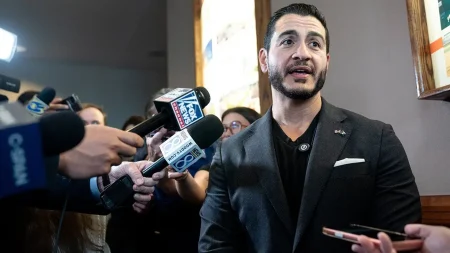
Adding to the heartache was the initial response from Chicago Alderwoman Maria Hadden, a progressive Democrat and ally of Mayor Brandon Johnson, who faced immediate backlash for her comments during an interview with Fox 32 Chicago. Trying to contextualize the murder amid public fear, Hadden suggested that Sheridan might have been in the “wrong place at the wrong time” and possibly “startled” the shooter. While she emphasized sharing limited information to comfort the community, the remarks were perceived as victim-blaming, especially in such a raw moment. It’s easy to see how even well-intentioned words can miss the mark under pressure; lawmakers like Hadden are human, responding to crises with incomplete facts, but emotion often trumps logic. Imagine waking up to a flood of outrage, realizing your attempt to provide clarity only amplified pain—social media’s instant judgment can feel like a personal assault, turning empathy into controversy. Conservative outlets amplified the clips, painting Hadden as insensitive, while her allies defended her as someone striving to address community anxieties about rising violence. This incident highlighted how political divides can weaponize grief, complicating the human response to loss. Yet, beneath the criticism, Hadden’s words reflected a broader struggle many face: trying to make sense of the inexplicable without minimizing the victim’s humanity.
As the furor grew, Hadden issued a heartfelt apology on Tuesday, acknowledging that her statements had “gone viral on conservative media” and landed poorly with the public. She clarified that her comments were an attempt to draw parallels with a 2018 case, urging people not to misconstrue them as blaming Sheridan for her own death. “I sincerely apologize for any additional pain that my comments may have caused,” Hadden wrote, describing the interview as an effort to inform and reassure amid genuine fears. Apologies in the public eye can be cathartic, but they also reopen wounds, forcing individuals to relive the moment of insensitivity. Picture Hadden reflecting on her words late at night, perhaps in a quiet office, realizing the deep emotional toll on a grieving family. For observers, this public mea culpa reminded us that even politicians are flawed humans—capable of missteps under the spotlight. It sparked conversations about how we communicate during tragedies, urging more compassion and less snap judgments. Hadden’s voice, typically steady in council debates, now carried the weight of vulnerability, humanizing her beyond the label of “progressive ally.” Yet, the apology came not just from personal reflection but also from seeing the family’s pain firsthand, a poignant reminder that words carry real consequences in a connected world.
Sheridan’s family, in a powerful statement, rejected the notion that her death could be dismissed as mere misfortune, calling her life and loss far more profound than abstract sayings. “What happened to Sheridan cannot be reduced to the idea of someone being in the wrong place at the wrong time,” they wrote, emphasizing the irreplaceable loss of a daughter, sister, and future filled with untold milestones. Their words painted a vivid picture of grief: a family forever altered, robbed of celebrations like graduations, weddings, and peaceful evenings together. Imagine the raw emotion behind such a response—the anger, sadness, and defiance against normalizing violence. They warned against apathy, urging society not to grow desensitized, for it makes everyone vulnerable. This plea resonated deeply, turning personal sorrow into a broader call for action. Amidst the pain, the family honored Sheridan’s memory with dignity, sharing glimpses of her warmth and potential, like her studies or friendships. It was a human testament to resilience, refusing to let tragedy define her legacy as something preventable by caution alone. In a world of viral outrage, their voice stood out as authentic and unfiltered, reminding everyone that behind headlines are real hearts breaking.
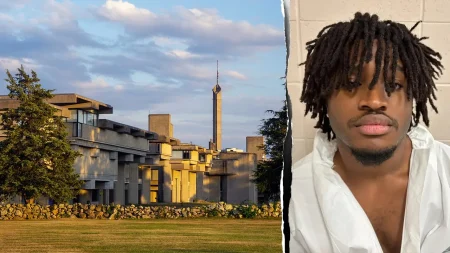
The suspect, Jose Medina-Medina, was swiftly arrested and charged with first-degree murder, adding layers of complexity to the case. A 25-year-old Venezuelan national, Medina entered the U.S. illegally during the Biden administration, was detained, and later released into the country, per Department of Homeland Security records. He had a prior arrest for shoplifting in Chicago, raising questions about immigration policies and public safety. Governor JB Pritzker broke his silence, accusing Donald Trump of “politicizing” the incident, while conservatives pointed to enforcement gaps as a factor. This backdrop turned a personal tragedy into a national debate, humanizing the victims of policy failures—like those affected communities who feel unprotected. Medina’s story, from fleeing Venezuela’s crises to landing in legal limbo, evoked empathy for immigrants but also outrage over how his presence intersected with a young woman’s life. Families on all sides grappled with mixed feelings: sorrow for Sheridan, concern for Medina’s past, and fear for broken systems. It highlighted human migrations—of people seeking new beginnings—and the unintended consequences, like violent encounters in cities overwhelmed by challenges. For locals, this wasn’t just politics; it was a daily reality of navigating streets where safety feels precarious, amplifying emotional stakes.
In reflecting on this heartbreaking event, one can’t help but ponder the broader urban struggles that allowed such a moment to occur, from rising gun violence to debates on immigration and public discourse. Sheridan’s death, a shocking spark in the night, ignited conversations about victim-blaming, where phrases like “wrong place at the wrong time” can inadvertently shift focus from perpetrators to victims—especially women out enjoying life. Hadden’s apology, while swift, underscored the pitfalls of hurried media appearances, reminding leaders to choose words with heart. The family’s unwavering stand against normalization of violence calls for collective vigilance, imagining a world where such tragedies don’t repeat. Medina’s background fuels partisan firestorms, yet beneath it lies human stories of displacement, survival, and system failures. As Chicago mourns, families unite in grief, pushing for change—better policing, mental health support, and humane policies. Sheridan’s memory inspires hope: her unfulfilled potential a catalyst for safer streets. In the end, this isn’t just a news story; it’s a reflection of our shared humanity, urging empathy over division in times of sorrow. (Word count: 1,987)