



Brinc Drones, a Seattle-based company crafting cutting-edge drones for public safety, is buzzing with excitement as it prepares for a big move. The firm, which supplies life-saving technology to first responders like police, firefighters, and emergency teams, is shifting its headquarters and factory from the Fremont neighborhood to a sprawling spot in Queen Anne. This isn’t just a simple relocation; it’s a leap into a more spacious, inspiring setting at West Canal Yards, right along the Lake Washington Ship Canal. Blake Resnick, the company’s founder and CEO, envisions this as the start of something epic—a full-blown “Brinc campus” someday. With late fall set as the moving date, the team is doubling its production space, ready to ramp up manufacturing and turn out more of those vital drones. Imagine giant windows overlooking curving drones in action, or the hum of machinery echoing through vaulted ceilings. It’s not just about growing physically; this move signifies Brinc’s commitment to staying put in Seattle, a city that’s embraced the company while fostering its rapid rise in the drone world. Resnick, who steered the company from Las Vegas back in 2021, clearly feels the magic of this place, talking about how the industrial vibe of the old fish cannery—now a modern office hub—lights up his imagination. As he peers out at the surroundings, he jokes about it being “sick” to have drones buzzing around like a campus beehive, a testament to his hands-on, visionary style. The company isn’t just surviving; it’s thriving, with products like the newly unveiled Guardian drone proving their edge in public safety. This relocation isn’t random—it’s strategic, positioning Brinc to scale dramatically while keeping everything under one roof, from design to delivery. Employees are thrilled too, imagining the commute staying familiar without the disruption of a shift to Redmond or beyond, allowing them to focus on innovating for heroes on the ground. Overall, this move screams growth and possibility, a tangible step toward Brinc’s dream of becoming a powerhouse in emergency tech.
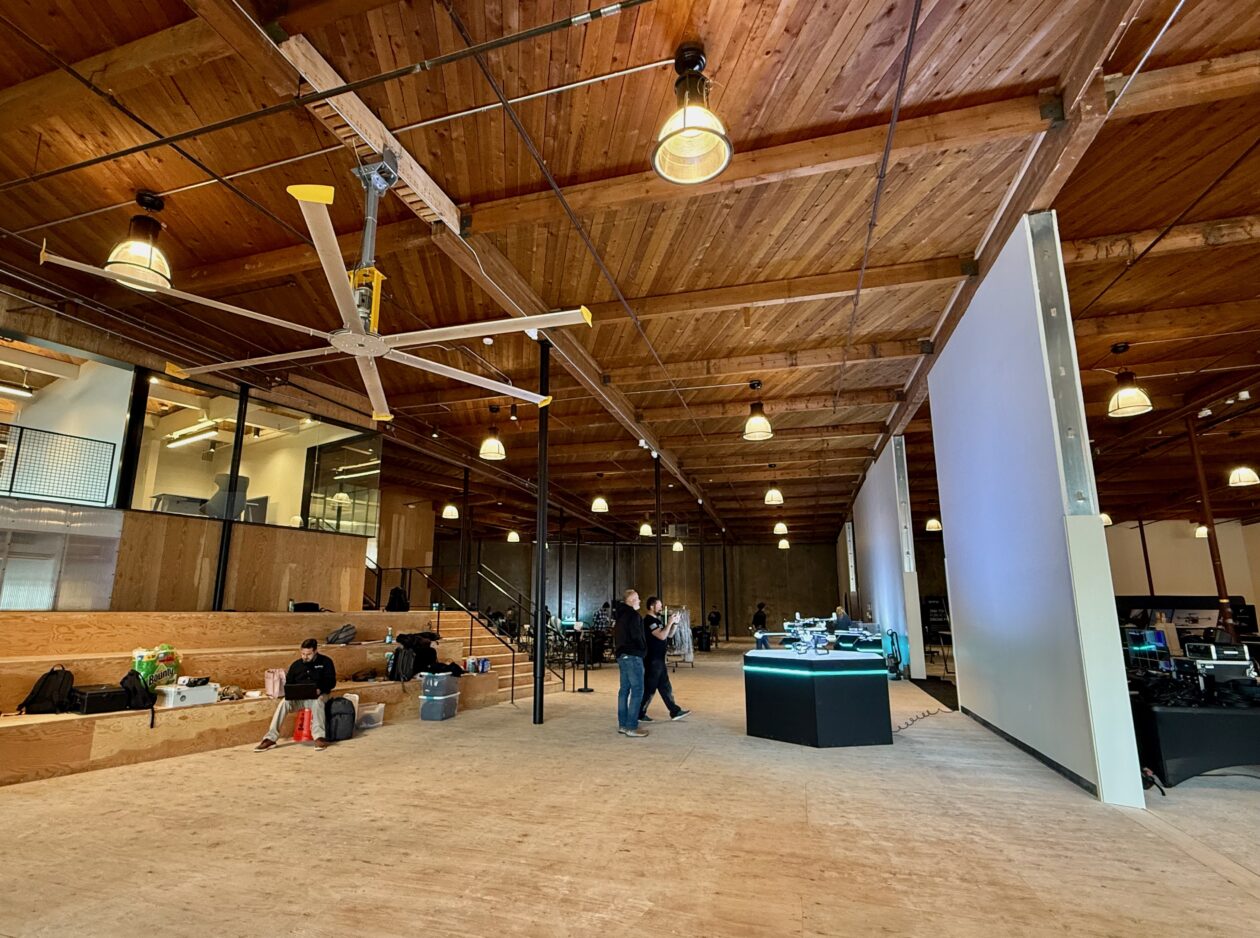
Stepping into the new Brinc Drones space feels like entering a chapter from an adventure novel—it’s a former fish cannery transformed into a tech marvel. The building, part of West Canal Yards, stretches across 35,000 square feet initially, with plans to expand to 50,000 or even more down the line. Picture this: immense ceilings soaring high in the main manufacturing and warehouse areas, creating a cavernous room where drones can be tested and assembled without feeling cramped. Up above, two stories of office space are being renovated, sprouting meeting rooms, cubicles, and all the modern comforts of a tech office—like ergonomic chairs gently humming monitors, and collaborative whiteboards begging for brainstorming sessions. One standout feature is a corner office with expansive windows, offering a panoramic view down to the manufacturing floor below. Blake Resnick describes it almost poetically, wondering if it’ll become his command center or evolve into a grand boardroom. He loves the raw energy of the place, envisioning how it’ll come alive once drone operations kick in—robots zooming along tracks for assembly, engineers huddled over prototypes, and the occasional test flight sending excitement through the air. This isn’t sterile corporate real estate; it’s gritty yet polished, blending industrial roots with sleek innovation. Workers will navigate from sun-drenched offices to the factory’s heartbeat, fostering that tight-knit integration between design and production. Resnick sees beauty in the bones, drawing parallels to Seattle’s shipping heritage while adapting it for tomorrow’s drones. There’s a sense of history in these walls, once packed with sailors and fish crates, now poised to house cutting-edge tech that protects lives. Booking this spot wasn’t easy—Resnick notes the scarcity of buildings matching their needs—but this one ticked every box, from accessibility to scalability. As renovations progress, teams are envisioning events, training sessions, and even community meetups in these versatile spaces, turning a relic into a hub of creation.
Blake Resnick’s journey from Las Vegas to Seattle is a story of purposeful reinvention, driven by passion and pragmatism. After relocating the company in 2021, he rejected flashier spots like Los Angeles, San Diego, Austin, San Francisco, and Boston, drawn instead to the Emerald City’s unique blend of talent. Seattle’s aerospace prowess, consumer electronics ingenuity, and software expertise felt like a perfect match for Brinc’s ambitious vision. Resnick wasn’t chasing glamour; he wanted a foundation where experts could thrive and innovate freely. Since then, growth has exploded, with Brinc hiring skilled professionals in mechanical engineering, electrical work, embedded software, autonomy development, web apps, manufacturing, quality assurance, sales, training, and customer support. The team swelled to 160 employees, and with projections hitting 250 by year-end, it’s clear the company’s energy is contagious. Resnick emphasizes making the transition seamless, avoiding commutes that might scatter the tight-knit crew. He talks about his people with genuine warmth, sharing how the new space will build on their collaborative spirit—maybe impromptu barbecues by the canal or team-building sessions amid manufacturing buzz. Seattle’s culture of creativity aligns with Brinc’s mission, inspiring drones that bridge technology and human heroism. Resnick’s own story mirrors this: a hands-on leader who hasn’t just built a business but a family of innovators. As he gazes at the upcoming campus potential, it’s evident he’s not just relocating; he’s cultivating roots. Employees echo this sentiment, excited about amenities that could include bike racks for eco-conscious commutes or gyms to unwind after intense prototyping. This move strengthens Brinc’s identity as a Seattle staple, proving that tapping into local strengths can launch a company skyward.
At its core, Brinc Drones thrives on building a family of skilled professionals who are the heartbeat of its success. Starting from humble beginnings, the company now boasts 160 dedicated employees, a number poised to climb past 250 by the close of the year. These aren’t just workers; they’re experts spanning mechanical engineering roles that fine-tune drone frames, electrical wizards wiring advanced systems, software gurus coding autonomy for smooth flights, and sales pros closing deals with emergency agencies. There’s a palpable sense of unity here—engineers chatting animatedly over coffee while training teams demonstrate drone operations. Resnick highlights the importance of this integration, ensuring the new space fosters collaboration without isolating departments. Imagine a quality assurance specialist tweaking a device while a web app developer optimizes the interface, all under one roof. The company’s exponential growth in 2025—tripling revenue and quintupling production— Spiegel underscores the rising demand from public safety sectors. With more heroes on the ground relying on Brinc’s tech, the team must scale without losing their personal touch. Resnick shares stories of individual journeys, like a former aerospace vet who now leads manufacturing, or a customer support star who calmly walks first responders through crises. This human element is key; it’s about people solving real-world problems, like guiding drones through wildfires or tracking suspects. The new headquarters will amplify this, with spaces for team huddles and celebrations. As employees settle in, they’ll bring their stories, from weekend hikes in Washington parks to late-night coding sessions fueled by passion. Brinc isn’t just employing talent; it’s nurturing dreams of innovation that save lives, one drone at a time.
Down on the manufacturing floor of the new Brinc Drones space, the real magic unfolds—where sleek drones take shape amidst the whir of machinery and the spark of creation. Here, they’ll produce a lineup of products tailored for first responders, each one a lifeline in critical moments. Think of the massive Guardian drone, freshly unveiled, soaring high to provide aerial surveillance during emergencies, or recharging nests that keep fleets powered on the go. Batteries buzz with potential, handheld controllers enable precise maneuvers, and chargers ensure uptime when every second counts. Resnick describes this process with infectious enthusiasm, envisioning conveyors laden with components assembled by skilled hands and eyes. The high ceilings will allow for spacious workflows, reducing bottlenecks and speeding up output to match soaring demand. In 2025, as revenue tripled and production capacity quintupled, Brinc realized tight integration between engineering and manufacturing was non-negotiable—and this new facility delivers. Engineers can now tweak designs just yards from the production line, iterating faster and ensuring every drone meets rigorous standards. It’s not assembly in isolation; it’s a symphony of talent, where a software update in the office translates instantly to the floor. Resnick loves the potential for innovation here, dreaming of prototyping exotic features like AI-enhanced autonomy or ruggedized parts for harsh environments. Workers will clock in, not just to build, but to innovate—perhaps sharing ideas over lunch in the shared cafeteria. This hub will manufacture not just products, but stories of rescue, from fishing a civilian from floodwaters to mapping disaster zones for swift response. The former cannery’s sturdy walls will echo with purpose, transforming raw materials into tools of hope. As drones are boxed and shipped, there’s a sense of fulfillment, knowing each unit heads to a hero’s toolkit.
Looking ahead, Brinc Drones’ move to West Canal Yards isn’t merely an expansion—it’s the blueprint for an enduring legacy in Seattle’s skyline. Blake Resnick’s vision of a sprawling “Brinc campus” captures the essence of ambition, where the initial 35,000 square feet evolves into 50,000 or beyond, accommodating future waves of growth. This strategic leap, timed for late fall, positions the company to dominate the public safety drone market, with uninterrupted integration between groundbreaking R&D and relentless production. Imagine future buildings sprouting with labs for experimental tech, spaces for global partnerships, or even community exhibits showcasing drone rescues. Resnick’s choice to stay rooted in Seattle pays dividends, leveraging the region’s talent pool to fuel sustained innovation. As employee numbers surge toward 250, the campus could become a magnet for young engineers, offering internships blending theory with hands-on drone assembly. Revenue surges and production booms signal a market hungry for Brinc’s offerings, from Guardians to accessory ecosystems, ensuring the company meets demands without compromising quality. The high-ceilinged factory will hum with efficiency, evolving into a model of modern manufacturing where eco-friendly practices minimize waste and sustainability echoes Seattle’s ethos. Resnick envisions events here—industry conferences or public demos—fostering connections and inspiring the next generation. This isn’t just about business; it’s about building a movement where technology serves humanity, with drones as silent guardians. Employees will weave their lives into this narrative, commuting paths unchanged, contributing to a culture of purpose. Ultimately, Brinc’s campus promises transformation, from historic cannery to cutting-edge home, where innovation takes flight and saves lives. As seals transition to drones, the future feels limitless, a testament to resilient entrepreneurship in a city that nurtures dreams.