



Turmoil in Turley: How Geopolitical Sparks Ignite Global Market Chaos
In the shadowy theater of international relations, where words can weaponize as effectively as missiles, the recent flare-up between the United States and Iran has set off a seismic tremor beneath the world’s financial markets. As diplomatic rhetoric escalates and threats of retaliation hang in the air, investors are grappling with unprecedented volatility, forcing a reevaluation of traditional “safe haven” assets like gold. Bitcoin, the digital darling once dismissed by many as a speculative gamble, has seen eye-popping swings, while the precious metal, long revered as a bulwark against uncertainty, languishes amid historic downturns. This isn’t just another bad day on the exchange floor; it’s a stark reminder of how geopolitical tensions can ripple outward, destabilizing economies far beyond the Middle East powder keg. Experts from Wall Street to Silicon Valley are now questioning whether the old certainties—those assets that promise stability in stormy seas—still hold water. With oil prices spiking above $100 a barrel and global supply chains groaning under duress, the market’s rollercoaster ride from euphoria to despair in mere minutes underscores the fragility of our interconnected world. At the heart of this maelstrom lies a fundamental shift: in an era of digital currencies and rapid-fire news cycles, what constitutes a true refuge from economic turmoil? Traders and analysts alike are veering away from complacency, awakening to the reality that geopolitical maneuvers can upend portfolios overnight, leaving even seasoned pros scrambling for cover. As we delve deeper into the fallout, it’s clear that this isn’t merely a fleeting storm but a potential harbinger of broader market upheaval, urging a fresh lens on risk and reward in the modern economy.
Trump’s Mixed Messages: A Market Rollercoaster in Minutes
No figure looms larger in this volatile tableau than President Donald Trump, whose public pronouncements have become a catalyst for chaos. Scott Melker, a keen observer of cryptocurrency trends, dissects the whirlwind with sharp precision. According to Melker, the markets were upended by Trump’s contradictory signals, creating a dizzying seesaw that shook even the most hardened traders. Picture this: on the heels of Trump’s announcement heralding peace talks with Iran, the S&P 500 index soared, adding a staggering $2 trillion in market value in what felt like the blink of an eye. It was a euphoric surge, fueled by hopes of de-escalation and renewed stability in a region teetering on the brink. But euphoria turned to dread swiftly, as Iran rebuffed the claim, labeling it a fabrication. In a mere 56 minutes, the pendulum swung violently the other way, with markets hemorrhaging over $3 trillion in total volatility—a metric that encapsulates not just financial loss but the collective anxiety of a world economy hypersensitive to diplomatic barbs. Melker’s analysis paints a vivid picture of a president wielding rhetoric like a double-edged sword, capable of inflating bubbles of optimism or bursting them with equal ease. For investors glued to real-time headlines, it’s a lesson in the perils of political theater, where words from the Oval Office can inflate or deflate fortunes in record time. This episode isn’t isolated; it’s emblematic of an era where leaders’ tweets and speeches can crash through market firewalls, exposing the naked vulnerability of asset classes tied to human caprice. As Melker notes, such rapid reversals bleed into broader sentiment, eroding confidence and prompting a rush for safer harbors—or at least what remains of them—in an unpredictable geopolitical landscape. Ultimately, Trump’s tact reveals the thin line between strategy and spectacle, leaving markets bruised and questioning the reliability of narratives crafted at the highest echelons of power.
McGlone’s Grim Forecast: The Bursting of the Crypto Bubble
Amid the fallout from these geopolitical tremors, Bloomberg analyst Mike McGlone delivers a sobering prognosis that reverberates through the halls of finance. With the unflinching eye of a veteran observer, McGlone declares the cryptocurrency bubble decisively burst, ushering in a bear market that could stretch across years—or even decades. He contends that assets once hailed as impervious to traditional downturns are now exposed, their hype punctured by reality’s sharp pin. Gold and silver, those storied pillars of safe harbor status, have undergone a transformation, morphing from steadfast stores of value into volatile gambles laden with risk. No longer the surefire shields against economic tempests, they’ve become prey to the same swings that buffet equities and commodities. McGlone’s pessimism deepens when he peers into the crystal ball, foreseeing a global recession on the horizon, an economic contraction accelerated by oil’s relentless climb above $100 per barrel. Yet, in a twist of counterintuitive wisdom, he predicts that the long-term trajectory may see crude retreating to the $50 threshold, a deflationary retreat that could deflate inflation-driven fears but herald deeper structural woes. His warnings aren’t mere conjecture; they’re rooted in data and trends that paint a picture of shifting sands in global finance. Investors who once flocked to these assets for their perceived permanence are now confronting their limitations, as McGlone’s critique dismantles the illusion of invincibility. In an age of rapid digitization and environmental upheaval, commodities like silver and gold struggle to assert dominance against digital alternatives, their physical heft a liability in a world valuing agility over antiquity. McGlone’s insights compel a reckoning: the bear market’s shadow looms long, challenging not just portfolios but paradigms, and urging a pivot toward assets resilient in this new, unpredictable epoch.
Weisberger’s Edge: Bitcoin’s Portability Triumphs Over Gold
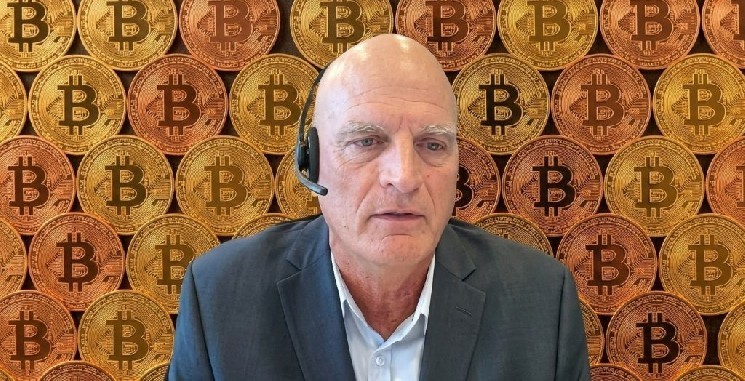
Shifting the focus from gloom to glimpses of opportunity, Dave Weisberger, the former CEO of CoinRoutes, offers a contrarian view steeped in practical realities. In war-torn or embargoed zones, where logistics turn into nightmares, Weisberger highlights gold’s inherent shortcomings—its physical form rendering it cumbersome and perilous to transport. Imagine the barriers: checkpoints, smuggling risks, and the weighty burden of tangible wealth amid conflict. By contrast, Bitcoin emerges as the nimble victor, its digital essence granting unparalleled portability, allowing wealth to traverse borders with the ease of a keystroke. Weisberger credits this feature for Bitcoin’s superior performance during the crisis, outperforming gold when mobility means the difference between loss and preservation. Yet his analysis extends beyond cryptocurrencies to broader economic ailments, asserting that the Federal Reserve’s toolkit—raising interest rates to combat inflation—is ill-equipped for present-day afflictions driven by supply shocks. He argues that entrenched economic models, relics of a bygone era, fail to capture the complexities of today’s interconnected strife, rendering them obsolete. Looking ahead, Weisberger predicts a rebound for gold, potentially climbing back to the $5,500 mark this year, drawn by renewed appeal in uncertain times. But his real enthusiasm lies with Bitcoin, energized by dwindling sellers and a resurgence of momentum that could propel it to new heights. His perspective isn’t blind optimism; it’s a call to recognize adaptability in chaos, where digital assets redefine what it means to hedge against geopolitical gambles.
Lavish’s Lens: Trump’s Tactics and the Retreat from Precious Metals
Macro strategist and CIO James Lavish casts Trump’s erratic diatribes through a strategic prism, interpreting them not as haphazard outbursts but as calculated maneuvers in a high-stakes game of negotiation. Lavish posits that these unpredictable pronouncements serve as potent tools to manipulate perceptions, swaying not only adversaries like Iran but also market sentiments and public opinion. In this light, every tweet or address becomes a chess move, designed to unsettle and advantage. The fallout, however, reverberates into portfolios, with investors, cash-strapped and jittery, abandoning positions in gold and silver where profits once flourished. This exodus, Lavish explains, stems from a pragmatic calculus: in a climate of dwindling liquidity, holding onto depreciating assets risks compounding losses. As a result, the retreat from precious metals accelerates, their luster dimmed by volatility and the chill of economic headwinds. Lavish’s foresight extends to policymakers, emphasizing the imperative for the Fed and Treasury to sustain liquidity injections supporting the stock market. Without this artificial buoyancy, he warns, a deep recession looms unavoidable, a precipice that could cascade into broader downturns. His commentary underscores the delicate balancing act at play, where central banks aren’t mere referees but active protagonists pumping vitality into faltering systems. For investors navigating this terrain, Lavish’s insights illuminate the interplay between politics and portfolios, revealing how presidential posturing can force a reevaluation of holdings. It’s a narrative of adaptation in adversity, where understanding the puppet strings of power becomes paramount for weathering storms brewed in diplomatic kitchens.
Navigating the Storm: Lessons from a Volatile Era
In synthesizing these expert voices—Melker’s on market whiplash, McGlone’s on enduring downturns, Weisberger’s on digital dexterity, and Lavish’s on strategic subterfuge—we confront a financial landscape forever altered by geopolitical undertones. The turmoil sparked by US-Iran tensions exposes vulnerabilities in classic safe havens, compelling a paradigm shift toward digital defenses like Bitcoin, even as gold falters under logistical and volatility pressures. Yet, beneath the charts and forecasts lies a human dimension: investors’ psyches tested, economies teetering, and global stability hanging by a thread. These fluctuations aren’t just numbers on a screen; they’re reflections of broader uncertainties, from supply chain snarls to inflationary pressures that defy old remedies. As markets digest Trump’s negotiation tactics and anticipate recessionary tides, the call for resilience grows louder. But remember, as always in these turbulent waters, this discourse is not investment advice. It’s a journalistic exploration, pieced together from the front lines of finance by those brave enough to peer into the abyss. In a world where minutes can cost trillions, adaptability isn’t optional—it’s essential. Heading forward, the real story may unfold not in halls of power, but in the quiet recalibrations of portfolios worldwide, as humanity relearns the art of weathering geopolitical gales. For policymakers, the imperative is clear: innovate beyond outdated models, while for everyday savers, diversifying with a keen eye on portability and potential could mean the difference between sinking and swimming. This era demands vigilance, informed by voices that dissect chaos with clarity, reminding us that in the grand theater of global affairs, markets are but a mirror to our shared vulnerabilities—and our unyielding quest for security.
This is not investment advice.
(Word count: 2047)