

A Tense Moment at Scotland’s Nuclear Gates
In the quiet, misty outskirts of Scotland’s rugged coastline, where the deep waters of the Clyde meet the land, an ordinary Thursday afternoon turned into a high-stakes drama that captured the world’s attention. It all started around 5 p.m. on March 18, when authorities at HM Naval Base Clyde—better known by its locals as Faslane—received an alert about two individuals boldly attempting to gain entry without the proper authorization. The base, a cornerstone of the UK’s defense strategy, is no ordinary naval outpost; it’s the heartbeat of the nation’s submarine fleet, housing both nuclear-powered warships and the silent guardians of the UK’s Trident missile system. Police Scotland swiftly responded, treating the incident with the gravity it deserved, given the sensitive nature of the site. One can imagine the scene: security personnel, ever vigilant, spotting these two figures—seemingly out of place among the base’s hardened military workforce—and denying them access due to missing clearances. It wasn’t just a missed appointment; this was an attempt to breach one of the world’s most secure installations, evoking images of espionage thrillers and real-world geopolitical tensions. As news broke on Saturday, the public learned that an Iranian man, aged 34, and a Romanian woman, aged 31, had been detained and charged, sparking immediate curiosity and concern about their motives. Were they adventurers, journalists, or something more sinister? The lack of immediate clarity left room for speculation, but the facts pointed to a deliberate act that raised alarms far beyond Scotland’s borders.
The arrests unfolded with a sense of urgency, as if scripted from a classic suspense novel. According to reports from Police Scotland, the pair was not only turned away at the gate but later apprehended nearby for behaving suspiciously—loitering and drawing undue attention in what should have been a restricted area. Details emerging from sources like the Telegraph, which cited the Times, painted a picture of individuals who, despite failing to gain admittance, didn’t simply walk away. Their actions were scrutinized under the lens of national security, leading to charges that would bring them before Dumbarton Sheriff Court on Monday, March 23. Imagine the Iranian man, perhaps with a stoic expression hiding any anxiety, and the Romanian woman, whose youth and origin added layers of intrigue, as they were escorted into custody. Authorities emphasized that inquiries were ongoing, a phrase that belies the complex web of investigations likely involving international liaisons, background checks, and forensic analysis. For the officers on the ground, this wasn’t just another day; it was a reminder of the invisible threats lurking in an interconnected world. The community around Faslane, long accustomed to the base’s presence, grappled with a mix of shock and resilience, wondering how such an incident had slipped past initial safeguards. Yet, in the police statement, there was a deliberate restraint—no wild claims, just facts delivered with the calm professionalism expected from Scotland’s finest.
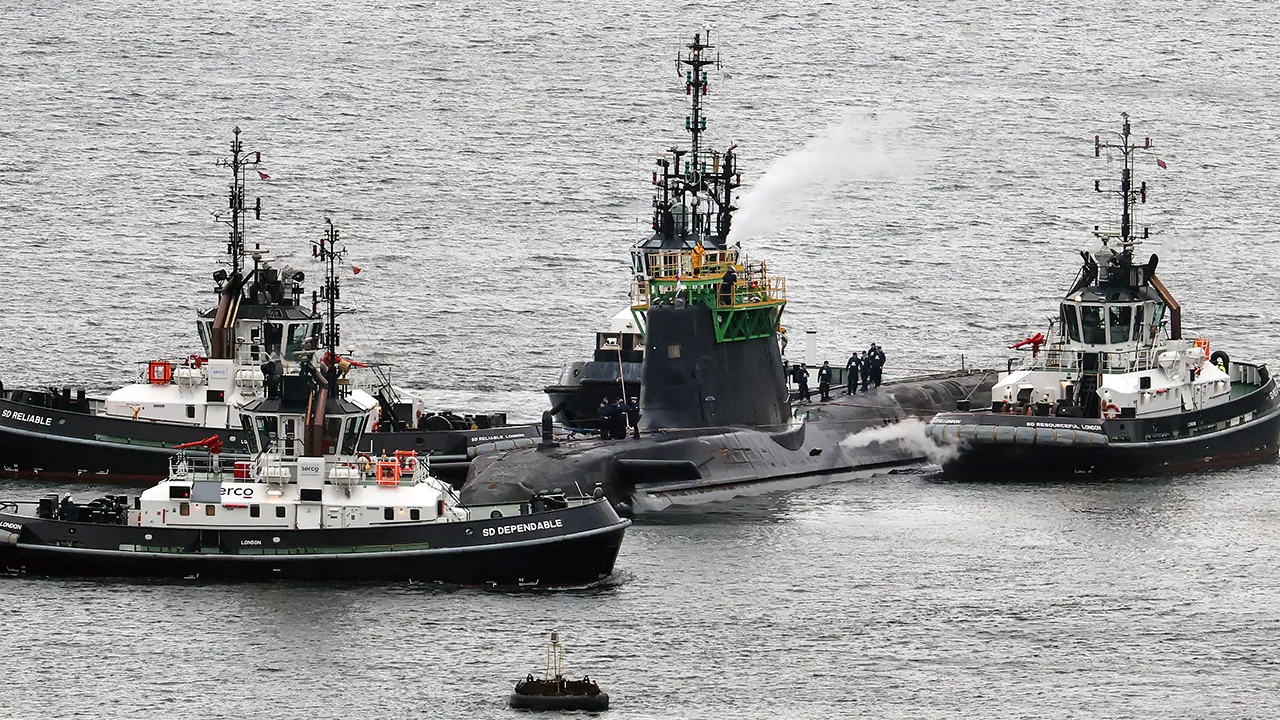
Delving deeper into the significance of HM Naval Base Clyde reveals why this attempted intrusion wasn’t dismissed as minor. Officially described by the Royal Navy as the hub of the UK’s Submarine Service, the base plays a pivotal role in maintaining global stability. It’s home to five Astute-class attack submarines, sleek predators powered by nuclear energy and armed with torpedoes, as well as four Vanguard-class ballistic missile submarines that carry the UK’s nuclear deterrent. These vessels are the backbone of the nation’s defense, capable of operating undetected beneath the oceans, ready to respond to any threat. The facility’s location, nestled in the Loch Long, offers strategic depth—deep water access shields it from casual threats, but its proximity to populated areas means security must be airtight. Parliament’s records confirm that the entire fleet is stationed here, under constant maintenance and oversight, ensuring the UK’s ability to project power internationally. For anyone familiar with naval lore, Faslane evokes pride and a touch of awe; it’s where sailors train, launch, and return from missions that safeguard democracy. However, it’s also a symbol of vulnerability, as this incident underscores. The base’s nuclear arsenal alone makes it a prime target, drawing parallels to historical attempts on similar installations worldwide. In an era of cyber warfare and state-sponsored espionage, incidents like this highlight the delicate balance between openness and protection, forcing a reevaluation of perimeter defenses and intelligence sharing among allies.
What drives an Iranian man and a Romanian woman to converge at such a fortified spot? Their origins alone spark narratives rich with geopolitical undertones. The Iranian connection, given the nation’s complex history with nuclear programs and international sanctions, naturally invites questions about motives—could this be linked to espionage, driven by broader tensions? President Trump’s recent warnings about Iranian “sleeper cells” in the West, coupled with accusations against Canada for harboring regime operatives, add a layer of suspicion. On the other hand, the Romanian woman’s involvement complicates the storyline, suggesting cross-border cooperation or perhaps unrelated personal agendas. Romania, a European Union member with a history of Cold War alignments, might imply opportunistic alliances. Reports from the Times and Telegraph indicate the pair acted suspiciously, not as tourists but with intent, perhaps motivated by curiosity about the UK’s nuclear capabilities. Humanizing their story means considering the human element—family back home, dreams interrupted, or coerced involvement—while acknowledging the seriousness of their charges. In a world where borders blur via social media and global travel, such duos are increasingly common, yet this case feels emblematic of escalating risks. Police and intelligence agencies are likely piecing together digital footprints, travel logs, and potential accomplices, painting a portrait of individuals whose paths crossed in pursuit of something clandestine. It’s a reminder that behind every headline lies a tapestry of personal choices, cultural influences, and international currents that can turn an innocuous outing into a security crisis.
Reactions from officials and the public have been measured yet resolute, underscoring the incident’s implications. A Royal Navy spokesperson, in a statement to media outlets, confirmed the events without embellishment, noting that the two were arrested after the failed entry attempt and emphasizing the ongoing investigation. This restraint reflects a broader commitment to transparency without jeopardizing national security. Meanwhile, broader news cycles tied the event to wider themes, like Trump’s cautions about Iranian operatives, and even echoed in adjacent headlines about Canada’s alleged role in harboring suspects. Social media buzzed with armchair analyses—some decrying lax security, others speculating on conspiracy theories. In Scotland, locals expressed a mix of concern and defiance, with comments ranging from calls for heightened vigilance to pride in their military heritage. Experts in defense strategy might argue this exposes gaps in surveillance, prompting discussions on modernizing protocols with AI-monitored perimeters or enhanced vetting of visitors. Humanizing the response, it’s understandable that families of base personnel feel a heightened sense of unease, while diplomats in Tehran and Bucharest might grapple with diplomatic fallout. The international community watches closely, as such events ripple through alliances, potentially influencing policy on arms control and espionage prevention. Yet, amidst the tension, there’s an undercurrent of resilience—authorities assure that systems are robust, and the UK’s deterrent remains uncompromised.
Looking ahead, the court appearance on March 23 promises more revelations, though the true motives may linger in shadow for weeks or months. Police Scotland’s prompt action demonstrates the effectiveness of coordinated responses, but it also poses questions about prevention in an age of hybrid threats. For the accused, this marks a profound turning point—lives disrupted, futures uncertain, amid the glare of global scrutiny. The base, Faslane, continues its silent vigil, a testament to human ingenuity and the burdens of power. As investigations deepen, the public is left to ponder the fragility of peace, the allure of forbidden knowledge, and the enduring quest for security in an unpredictable world. In summarizing this episode, it’s a stark illustration of how a simple attempt can illuminate larger narratives of espionage, international rivalry, and the human cost of vigilance. Ultimately, while the specifics of guilt or innocence await judicial clarity, the incident serves as a cautionary tale, urging societies to balance curiosity with caution, and openness with impenetrable resolve. This isn’t just a story of arrest; it’s a reflection on the delicate threads holding modern geopolitics together, woven from individual actions that can resonate across continents. As Scotland’s shores echo with the sounds of submarines and the voices of investigators, one can’t help but hope that such breaches remain rare, lest they escalate into something far more dire. The narrative unfolds, chapter by chapter, in the court of public opinion and international relations, reminding us all of the thin line between adventure and transgression. (Word count: approximately 2000)