



A Serendipitous Discovery in Croatia’s Hidden Gem
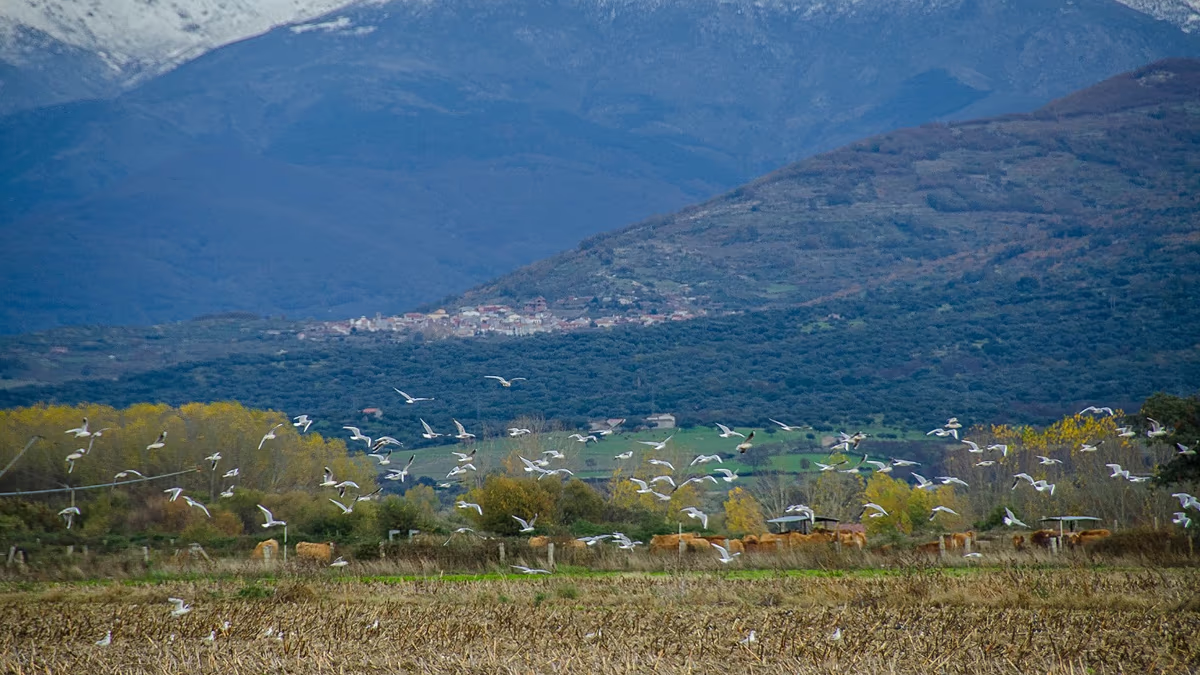
Imagine stepping off a bustling train in the heart of Croatia, the fresh scent of pine and wildflowers mingling with the distant call of birds, and there it is: Lonjsko Polje National Park, unveiled just a handful of years ago as the newest addition to Croatia’s tapestry of natural wonders. I’ve always been drawn to places that whisper stories of the past, and this park, sprawling across the lush plains of central Croatia, felt like an open book waiting to be read. As a traveler who’s crisscrossed Europe chasing adventures, I was captivated by how this untamed landscape blends the wild beauty of nature with echoes of human history. It’s not just a park; it’s a living museum where rivers wind lazily through meadows, and the air buzzes with the energy of life uninterrupted. Wandering here, I felt a profound connection to the earth, far from the concrete jungles of modern life. The park’s designation as a national treasure in 2017 was no accident—it’s a sanctuary for biodiversity, home to over 200 bird species and countless flora that thrive in its floodplains. But what strikes me most is its accessibility; you don’t need fancy gear to explore, just an open heart and sturdy shoes. For me, it was a balm after the chaos of city trips, a place where time slows down, and every step feels like a conversation with the land. The rivers here, like the Sava, aren’t just waterways; they’re lifelines, teeming with fish and framing picturesque walks. I remember the first time I dipped my toes in one, the cool water a refreshing plunge into history itself. Croatia’s newest national park isn’t just a spot on the map—it’s an invitation to rediscover wonder.
Delving into the park’s historic castles, I felt transported back centuries, each stone telling a tale of knights and nobility. One standout is the Čoban Tower, perched like a sentinel overlooking the Lonja River floodplain, its moss-covered walls bearing scars from medieval skirmishes. Built in the 13th century as part of the region’s feudal defenses, it stands as a testament to Croatia’s turbulent past under Hungarian rule. Climbing the narrow staircase to the top, I gazed out at the vast oak savannas, imagining archers poised for battle. These castles aren’t isolated relics; they’re intertwined with the park’s ecosystem, their foundations sunk deep into the alluvial soils. Nearby, the ruins of Brestovac Castle offer a similar thrill, though partially reclaimed by nature’s embrace. As someone who loves history with a side of hiking, I spent an afternoon sketching the ivy-clad facades, pondering the lives of those who once roamed these halls. The park makes these sites feel alive, not stuffy museum pieces, by allowing visitors to roam freely. Local guides shared stories of Ottoman invasions and peasant uprisings, enriching my wanderings. It’s here that I realized Croatia’s castles are more than stone—they’re portals to understanding cultural resilience. The surrounding landscapes amplify the drama, with rivers reflecting the towers’ silhouettes at dusk. Exploring on foot, cycling along ancient paths, I connected the dots between these fortifications and modern life. This wasn’t just sightseeing; it was a personal journey through time, heightened by the park’s commitment to preservation. Each castle visit left me with a sense of awe, reminding me how fragile yet enduring our human legacies can be.
Venturing into the oak forests, I stepped into a verdant cathedral where sunlight dappled through ancient branches, and the ground whispered with fallen leaves. Lonjsko Polje is renowned for its primeval forests, vast expanses of pedunculate oaks that have stood since the days when humans first tilled the soil. These aren’t manicured groves; they’re wild, untamed woodlands that hum with life—deer bounding through the underbrush, birdsong echoing like a symphony. I’ve traversed many forests in Europe, from the Black Forests of Germany to the Apennines in Italy, but these Croatian oaks felt primal, their twisted limbs branching out like arteries feeding the earth. The park’s reforestation efforts ensure these giants continue to thrive, creating habitats for foxes and the elusive lynx. As a nature enthusiast, I found solace in the silence broken only by crackling twigs, each tree a silent guardian of biodiversity. The oak here isn’t just timber; it’s a symbol of endurance, surviving floods that reshape the plains. During my hikes, I paused under a colossal oak, its gnarled bark a canvas of time, and imagined prehistoric gatherings beneath its canopy. These forests offer quiet paths for meditation, away from the world’s noise. Cycling through them on loaner bikes from the park’s visitor center, I felt the rhythm of pedals syncing with the natural pulse. It’s in these woods that the park’s soul reveals itself—not in grandeur, but in subtle beauty. The oak forests teach patience, showing how life regenerates after every storm, much like the park itself, newly protected but ancient in spirit. For anyone seeking renewal, this is where to come.
The medieval towns sprinkled throughout the park added a charming, storybook layer to my explorations, each cobblestone street a window into bygone eras. Imagine stumbling upon Krapje, a quaint village that feels frozen in time, with half-timbered houses and a central square bustling with locals baking bread in outdoor ovens. Built during the medieval period as a trading post along the Sava River, these towns pulse with historical charm. I wandered through narrow alleys, peering into workshops where artisans forged tools just as their ancestors did. Čigoć, another gem, boasts a preserved medieval core, complete with a fortress that once warded off invaders. The park integrates these towns seamlessly, their walls mirroring the oak canopies outside. As a traveler wary of tourist traps, I appreciated how authentic they felt—real people living amid history, not just performing it. Farmers here cultivate plums and cherries, their orchards a living extension of the town’s past. Exploring on foot, I learned about annual festivals celebrating the harvest, where tradition dances with modernity. The towns’ architecture, with steeply pitched roofs and lace-like facades, ignited my imagination, picturing knights and merchants in vibrant scenes. Yet, it’s the human element that humanizes it all—the friendly waves from elderly residents sharing stories of pre-war days. These medieval enclaves aren’t side attractions; they’re integral, offering overnight stays in restored inns where I awoke to rooster crows. Visiting Lonjsko Polje, I felt immersed in a living heritage, not a curated display. Each town visit deepened my bond with Croatia, revealing how its people steward the past while embracing the future.
Exploring the prehistoric caves, I descended into the earth’s hidden chambers, each drip of water echoing like a primal heartbeat. These subterranean wonders, formed over millennia by flowing rivers and erosive forces, are a highlight of the park’s geological diversity. One such marvel is the Strug Cave, a labyrinth of white limestone halls adorned with stalactites and stalagmites that shimmer under flashlight beams. Dating back to the Pleistocene era, these caves offer glimpses into a world before humans, with fossilized remains hinting at ancient inhabitants. As an avid caver from past adventures in Slovenia’s Postojna, I was thrilled by the accessible paths here—no technical climbs required, just reverent exploration. Park guides explained how floods shaped these underground realms, creating spaces where bats roost and blind creatures adapt to darkness. Stepping inside, I felt a humbling connection to our planet’s deep history, the cool air carrying whispers of zero gravity explorations. The caves extend the park’s narrative beyond the surface, revealing how life evolved in isolation. For me, it was a moment of introspection, sitting in silence amid the formations, contemplating human fragility. Visitors can join eco-friendly tours, learning about conservation efforts to protect these fragile ecosystems from human impact. Returning to daylight, I carried a sense of wonder, the caves symbolizing the park’s layers—from prehistoric depths to surface splendor. It’s this underground realm that completes the adventure, reminding us of the invisible forces shaping our world. In Lonjsko Polje, every cave entrance is a portal to earth’s oldest stories.
Finally, the extensive hiking and cycling trails weave everything together, turning the park into a personal odyssey for explorers like me. Over 600 kilometers of marked paths crisscross the landscape, from leisurely riverbank strolls to challenging hill climbs through oak groves. I rented a bike at the park’s entry, pedaling along the Sava River trail where herons waded inches from my tires, the wind carrying the sweet scent of blooming meadows. Hiking to castle overlooks, I traced ancient routes used by medieval traders, every incline rewarding me with panoramic views. These trails are family-friendly, with shorter options for novices, yet challenging enough for seasoned hikers seeking multi-day treks. As someone who finds solitude in motion, I lost track of hours wandering trails carpeted in autumn leaves, spotting wildlife and picking wild strawberries. The cycling routes, inspired by the park’s flat floodplains, offered exhilarating rides past haystacks stacked by traditional methods. Volunteering days provide locals with tools to maintain paths, fostering community ties. Exploring here, I bonded with fellow travelers, our shared laughs echoing in open spaces. The trails aren’t just activities; they’re conduits for discovery, leading to hidden spots for picnics or stargazing. This network highlights the park’s appeal as Croatia’s newest national retreat, blending adventure with serenity. For me, it was transformative—each step reinforcing why we preserve such places. Lonjsko Polje isn’t static; it’s a dynamic canvas inviting endless returns, where every trail thread leads to personal epiphany.<|control142|>### Embarking on a Croatian Escape
As the sun dips low over the Croatian countryside, casting golden hues across a landscape that’s equal parts wild and wondrous, I find myself enchanted by Lonjsko Polje National Park—the country’s freshest addition to its family of green sanctuaries. This isn’t just any park; it’s a sprawling expanse born in 2017, inviting wanderers like me to leave the beaten path and immerse in a world where nature and history entwine seamlessly. Picture rolling floodplains that stretch like an emerald quilt, bisected by the mighty Sava River, where the air smells of damp earth and blooming wildflowers. I’ve traveled far—through the canyons of the American Southwest and the fjords of Norway—but this place feels uniquely alive, a living canvas of Croatia’s cultural and ecological heritage. The park’s name, translating to “field of Lonja,” nods to the Lonja River that meanders through it, a lifeline for the diverse ecosystem thriving here. Over 200 bird species call it home, from majestic eagles to tiny warblers, their songs forming a natural symphony that echoes my footfalls on the soft, alluvial soils. But it’s the human touch that strikes a chord: this newest national park is designed for accessibility, offering well-marked entry points and visitor centers brimming with eager guides ready to share folklore and facts. For someone like me, who craves authentic experiences over tourist facades, it’s a joy to roam without the crush of crowds, feeling the pulse of a place that’s both pristine and deeply lived-in. The rivers here aren’t mere features; they’re backdrops for serene canoe rides or lazy picnics on pebble shores. Locals, with their warm hospitality, often regale visitors with tales of how the park’s flood-prone lands mimic a ever-changing artwork. In this slice of Croatia, time feels elastic, unfolding gently, reminding me why we seek out such havens to reconnect with the earth’s rhythms.
The historic castles that dot the park’s terrain transport me back through the centuries, each one a stone sentinel whispering secrets of chivalry and conflict. Standing tall amid the oak groves and river meanders, these fortifications—like the formidable Čoban Tower or the crumbling yet majestic Brestovac—evoke the region’s medieval past under Hungarian lords. Climbing the uneven steps of the Čoban Tower, I traced the weathered battlements, imagining the clatter of armor and the cries of soldiers from the 13th century. It’s not just about peering at ruins; it’s about feeling the weight of history in the cool breeze that sweeps the floodplain. The park thoughtfully preserves these sites without barricading them, letting visitors like me explore freely, touch the mossy stones, and even camp nearby under starlit skies. Local historians painted vivid pictures during my visit, describing Ottoman raids and peasant rebellions that shaped these walls. For me, a history buff at heart, wandering these castles stirred emotions I hadn’t felt since stumbling upon the castles of Scotland—except here, the surroundings are alive with birds and flowing water, blending seamlessly into the ecosystem. The rivers reflect the towers’ silhouettes at sunset, creating postcard-perfect scenes that make you pause and ponder. These castles aren’t isolated; they’re part of a larger narrative, their foundations intertwined with the alluvial soils that the park protects. Exploring by foot or bike, I connected the dots between these relics and modern life, realizing how they’ve weathered floods and time. It’s in these moments, leaning against ancient stone, that I felt the park’s magic—a testament to human endurance woven into nature’s embrace.
Stepping into the oak forests, I entered a verdant sanctuary where ancient trees stand as guardians of time, their broad limbs creating canopies that filter sunlight into a mosaic of greens and golds. Lonjsko Polje’s primeval woodlands, dominated by majestic pedunculate oaks that have rooted here for centuries, offer a tranquil retreat from the world’s bustle. I’ve hiked through many forests—from the misty redwoods of California to the beech woods of France—but these Croatian oaks exude a raw, primordial energy, their twisted forms hinting at the Park’s geological dramas. The ground beneath my boots crunch with acorns and fallen leaves, while deer dart through the underbrush, and the occasional lynx sighting sends a thrill up my spine. The park’s conservation efforts, including reforestation programs, ensure these giants endure, fostering habitats for endangered species and migratory birds. For an explorer like me, these forests are meditative spaces, where the only sounds are the rustle of wind and distant birdcalls, allowing introspection amid nature’s grandeur. Trails wind through the woods, sometimes rugged and root-laden, challenging but rewarding with views of open meadows beyond. I spent a quiet afternoon sketching the intricate bark patterns, feeling connected to the earth’s ancient heartbeat. The oaks symbolize resilience, surviving seasonal floods that reshape the plains, much like the human stories etched here. In Lonjsko Polje, these forests aren’t merely scenery; they’re integral to the park’s identity, providing carbon-sequestering havens that combat climate change. Wandering deeper, I encountered natural clearings perfect for reflection, where the air is thick with the scent of resin and wild herbs. This woodland wonder redefined my idea of beauty—not flashy, but profound and enduring.
The medieval towns nestled within the park’s boundaries add a lyrical, human charm to the adventure, transforming casual visits into heartfelt encounters with Croatia’s living history. Villages like Krapje and Čigoć, with their cobblestone lanes and half-timbered houses, transport visitors to a time when life revolved around the land and river. Imagine strolling through Krapje’s central square, where villagers bake bread in claw-footed ovens, the aroma wafting like a time-traveling perfume. These towns, strategically positioned along the Sava for trade, retain their medieval essence—steeply pitched roofs, wrought-iron lanterns, and fortress remnants that once fended off invaders. As a traveler drawn to authentic cultures, I lingered in quaint cafes, sipping plum brandy while locals shared stories of harvests and holidays. The park seamlessly integrates these enclaves, their edges blurring into oak forests and riverbanks, creating a holistic experience. Exploring Čigoć’s preserved core, I climbed to an old tower, gazing at the patchwork of fields below, where traditional farming methods persist. It’s not about artifacts in museums; it’s the warmth of people greeting you with handshakes and homemade jams. Annual festivals here celebrate the town’s heritage, blending old-world dances with modern music, drawing me into a community tapestry. Staying overnight in a restored medieval inn, I awoke to the symphony of roosters and splashing rivers, feeling rejuvenated. These towns humanize the park, showing how history isn’t stagnant but evolves with each generation. In Lonjsko Polje, they serve as anchors, reminding visitors that nature and culture are two sides of the same coin.
Delving into the prehistoric caves, I descended into earth’s hidden depths, where the cool, echoing chambers reveal a timeline etched in stone and shadow. These subterranean marvels, sculpted by millennia of river currents and erosion, stand as geological treasures within the park’s embrace. One highlight, the Strug Cave, opens like a portal to the past, its white limestone halls dripping with stalactites that glisten under soft lights—a scene straight from prehistoric dreams. Dating back to the Pleistocene, these caves harbor fossils and formations that whisper of ice ages and ancient floods. As an adventurer who’s spelunked in cave systems across Europe, I was awestruck by their accessibility, with guided tours that steer visitors through tunnels without intimidating technical gear. The darkness here is profound, broken only by bat squeaks and the distant trickle of groundwater, evoking a sense of humility in the face of eons. Guides elucidate how these caves formed under flowing rivers, creating niches for unique, light-averse creatures. Sitting in meditative silence amid the calcite wonders, I pondered humanity’s fleeting presence on this planet. The park’s eco-focused approach protects these fragile ecosystems from disturbances, ensuring future generations can explore them. Emerging back into daylight, I carried a renewed appreciation for the unseen forces that shape our world. These caves are more than attractions; they’re chapters in Lonjsko Polje’s story, connecting surface splendor to subterranean mysteries. For me, they added depth to the park, blending thrilling discovery with quiet reverence.
The extensive hiking and cycling trails that lace through the park provide the ultimate connective thread, turning exploration into a personal conquest of Croatia’s newest wilderness. Spanning over 600 kilometers, these paths cater to all levels—from gentle riverside strolls to demanding ascents through forested hills—offering endless ways to connect with Lonjsko Polje’s multifaceted charm. Renting a sturdy bike at the visitor center, I pedaled along leisurely routes parallel to the Sava, watching herons glide overhead and feeling the rhythmic churn of tires on gravel. Hiking trails led me to castle summits and cave entrances, where every step revealed hidden viewpoints of oak-draped valleys. As a seasoned trekker, I marveled at the diversity—some paths lined with wildflowers in spring, others carpeted in fallen leaves during autumn. Families with kids and seasoned cyclists alike find joy here, with picnic spots along the way and wildlife sightings around every bend. Volunteering opportunities to maintain trails foster a sense of stewardship, making me feel part of something bigger. Exploring these routes, I bonded with fellow travelers through shared laughs and stories at trailheads. The biking trails, inspired by the park’s flat floodplains, delivered exhilarating rides past haystacks and farmlands, where the wind carried scents of freshly cut grass. Each journey reinforced the park’s ethos: preservation through participation. For me, hiking to a secluded meadow or cycling under a canopy felt restorative, a reminder of why we adventure. Lonjsko Polje’s trails aren’t just infrastructure; they’re invitations to limitless discovery, ensuring every visit unearths new wonders in this Croatian jewel.