

The Struggling Heart of the Windy City: A Tale of Fiscal Neglect
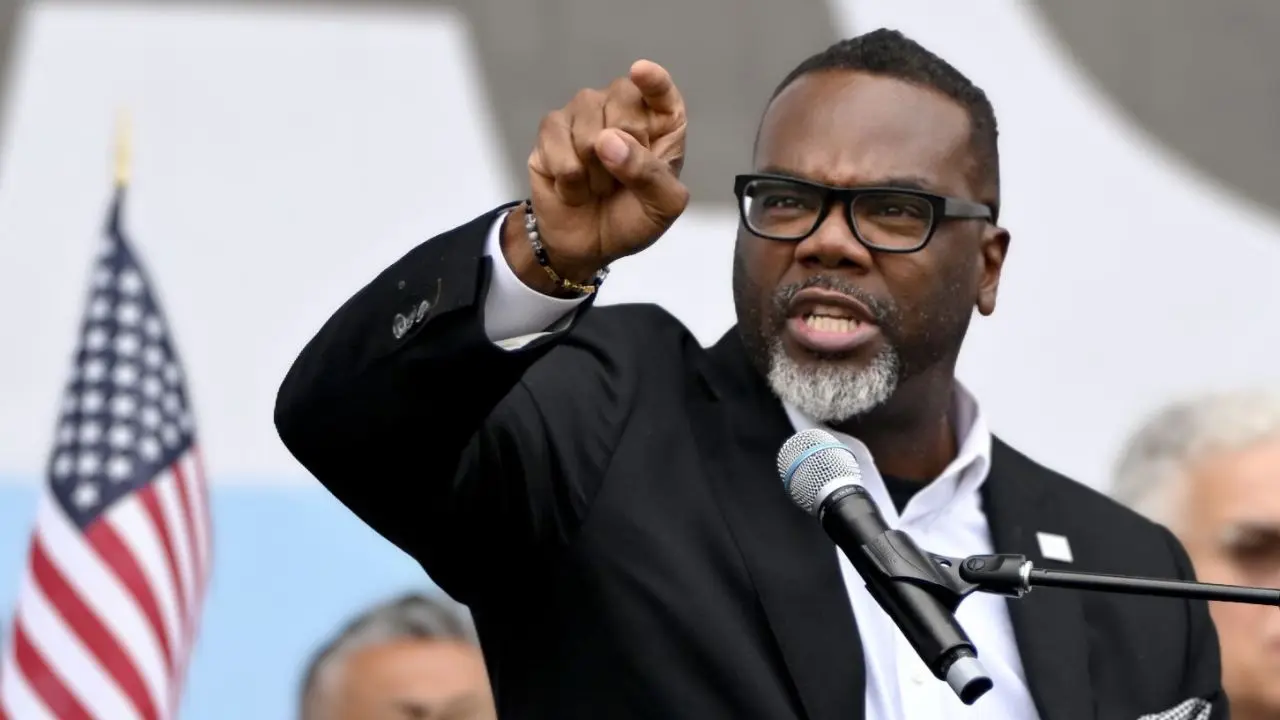
Imagine a bustling metropolis like Chicago, the third-largest city in America, where skyscrapers pierce the sky and neighborhoods pulse with diverse life. But beneath the surface, this iconic city is grappling with a financial crisis that feels like a heavy weight on the shoulders of its everyday residents. With a corporate fund budget shortfall exceeding $1 billion and a projected $150 million deficit looming for the 2025 fiscal year, Chicago’s leaders, including Mayor Brandon Johnson, are navigating a storm of mismanagement that has built up over decades. School teachers, firefighters, and street cleaners are all affected, as roughly two-fifths of the budget is siphoned off just to cover debt payments and pensions. It’s a scenario where families struggle to make ends meet while city hall seems preoccupied with bigger-picture dramas. Mayor Johnson himself painted a stark picture in April, admitting the city is “at a crossroads” and must “do more with less,” even as he pointed fingers at the federal government. He claimed the Trump administration’s threats to withhold funding represent a “different scenario we weren’t under before,” as if the city’s woes are some unexpected plot twist rather than the culmination of choices made long ago. This isn’t just about accountants and ledgers; it’s about real people—the single mom relying on public transportation to get to her job, or the small business owner watching taxes rise. The markets, ever the cold truth-tellers, are reacting with concern, sending warning signals through wider spreads on Chicago’s debt. People like Austin Berg, head of the Illinois Policy Institute, a watchdog group focused on taxpayer rights, are sounding alarms. Berg describes it as if Chicago is calling in to a financial advice show like Dave Ramsey’s, buried in debt and needing straightforward fixes: no more bad habits, more responsible planning. For ordinary Chicagoans, this means grasping the reality that their city’s future is mortgaged, potentially shackling generations. It’s humanizing when you think of how these financial gymnastics translate to everyday life—delays in infrastructure repairs, potholed streets that hazard drivers, or parks that could use upkeep but are sacrificed for creditor demands. The conversation isn’t abstract; it’s alive in coffee shops and community meetings, where folks wonder why their tax dollars vanish into an abyss. As records reveal details of taxpayer-funded perks, like a “gift room” constructed right after investigators were shown the door, it underscores a culture of opacity that erodes trust. Residents feel like they’re playing a game where the rules keep changing, and the house always wins.
Groundhogs and Snowdrifts: Everyday Impacts Amid Political Theater
Diving deeper into the human side of Chicago’s fiscal woes, it’s easy to see why residents are frustrated when city leaders prioritize political soundbites over plow trucks. In January, an independent journalist named William J. Kelly sparked a viral moment by challenging Mayor Johnson during a drive through snow-choked streets. Which “ICE” should we focus on, he asked mockingly—immigration officers or the wintry accumulation leaving residents stranded? Johnson’s response? He commended his team for plowing efforts, admitting he doesn’t personally handle shovels, and insisted no one was stuck. But for the commuter trudging through blizzards or the elderly neighbor waiting for help, it felt like deflection. This isn’t isolated; it highlights a city where social justice initiatives soak up funds, but basic services like snow removal lag, turning routine winter woes into symbols of neglect. Meanwhile, Johnson’s administration rails against perceived external threats, like “unlawful” DEI restrictions on policing grants, suing the Trump DOJ as if federal policies are the root of insecurity. To everyday folks, this comes across as finger-pointing rather than taking ownership, similar to blaming the weather for a leaky roof you never fixed. Back in April, Johnson’s admission of tough times invited sympathy, but critics argue it’s layered with excuses, evading accountability. The city’s bond ratings, downgraded in February by firms like Kroll and Fitch, reflect this unease, as if Wall Street is whispering, “Houston, we have a problem.” For Chicagoans, who might be saving for their kids’ college or retirement, this means higher borrowing costs that trickle down to everything from property taxes to utility fees. Humanizing this, picture the working parent juggling daycare costs while wondering why millions are spent on programs that don’t directly fill potholes or trim overgrown bushes. It’s relatable—how many of us have faced bills we swore were “one-time” but keep recurring? The city’s “pay later” mentality, under Johnson, is likened to past follies, where short-term gains bury long-term burdens on taxpayers.
Bad Bets and Ballooning Debts: Lessons from Financial Fumbles
When financial experts like Austin Berg break it down, Chicago’s crisis sounds a lot like a cautionary tale from a weekend workshop on personal budgeting. Berg, drawing parallels to debt-ridden folks calling financial guru Dave Ramsey for help, says the core advice is timeless: stop the bad decisions and build better habits. In Chicago’s case, this means reeling in practices like treating one-time COVID relief funds as permanent revenue for operations—a rookie mistake that delayed the inevitable. Worse, the city’s recent $830 million bond issue comes under fire for borrowing money to fund everyday expenses, postponing payback for 20 years. It’s like using a credit card for groceries and saying you’ll pay it off later, but “later” stretches into infinity, leaving Future You—and your kids—with the bill. For relatable context, think of a family deciding between fixing the car or taking a luxury vacation; Chicago chose debt-fueled indulgences, and now the mechanic’s bill is overdue. Berg doesn’t mince words: this is a “red flag” to investors, widening the gap in debt with a strategy that echoes former Mayor Richard Daley’s infamous 75-year parking meter lease from 2008. That deal let a private company rake in profits while Chicago lost revenue for generations, a boondoggle that still stings. Today’s residents, many of whom weren’t even in grade school back then, feel the fallout through unfunded necessities. Berg accuses Johnson of perpetuating this “pay later” culture with his delayed bond payments, arguing it’s his modern spin on Daley’s blunder. Humanizing the math: if a household spent 40% of its income on minimum credit card payments, food and doctors would suffer first. That’s Chicago’s reality, where debt servicing crowds out vital services. Folks talk about it at barbecues or subway rides, sharing stories of haggling over traffic tickets or noticing unlit streetlights. The pro-taxpayer voice calls for embracing a $1-billion efficiency report from consultants EY, urging the city to slash waste before it deepens the hole. Without change, it’s as if the city is in a slow-motion loop, choosing glittery distractions over solid ground.
Governance Gaps and the Power of the People
At the heart of Chicago’s fiscal fatigue is a governance structure that leaves everyday voters feeling sidelined, much like being handed a bill without seeing the menu. Berg points out that Chicago and New York are anomalies in not requiring voter approval for general obligation debt, meaning political elites can saddle residents with 30 years of payments without a say. “Voters didn’t decide to have all of that debt,” he stresses, calling it “unfair” shackling of future generations. Imagine a family making decisions about a child’s education fund without input from everyone; it breeds resentment and detachment. The city’s lack of a “truly independent” chief financial officer exacerbates this, with the treasurer’s office unable to fully audit and a related agency, COFA, woefully understaffed. It’s a setup where oversight is patchy, like trusting a relative with your finances without receipts. Residents, from South Side homeowners to North Side professionals, express this in town halls or online forums, questioning if their city is run by their interests or a clique. The drive for a “head tax”—a per-employee levy on big corporations—was Johnson’s idea to raise cash, but the City Council wisely axed it, fearing it would chase away jobs and revenue, harming the very people meant to benefit. Humanizing it, think of a community garden needing funds; imposing fees might kill the goose before laying the golden eggs. Berg suggests Illinois lift its ban on Chapter 9 bankruptcy for municipalities, not as a goal but a negotiation tool against unions buried in liabilities. Without it, unions hold leverage over already drowning budgets, creating tension that echoes labor disputes anywhere. The city’s history of hiring scandals and now revealed perquisites, like that post-investigation “gift room,” deepen distrust. For ordinary Chicagoans, it’s about feeling heard—the immigrant entrepreneur worried about taxes, the retiree on a fixed income fretting over pensions. This governance gap isn’t abstract; it’s why people vote, protest, or tune out, craving a system where their voices balance the scales.
Service Shortfalls and the Social Justice Balance
Shifting focus to the ground level, Chicago’s financial strains are most palpable in the everyday services that shape community life, revealing a rough tradeoff between lofty ideals and practical needs. With 40% of the budget tied to debt and pensions, essentials like plowing snow or maintaining infrastructure take a hit, as seen in that icy January incident where Johnson deflected criticism of unplowed streets. Independent journalist Kelly’s exchange highlighted this disparity, showing a mayor more attuned to broader social issues than immediate relief. Expenditures on social justice initiatives, while laudable in theory, compete with scarce funds for basic upkeep, leaving residents to navigate crumbling sidewalks or delayed maintenance. It’s humanizing when you consider the single parent racing to pre-school through unkempt streets, or the senior citizen avoiding public transit due to unrepaired elevators. Critics argue these choices reflect misplaced priorities, where “woke” policies drain resources from the “woke” public at large. Johnson’s responses, often combative—like lashing out at reporters using terms like “illegal alien” as “racist”—suggest defensiveness that alienates rather than unifies. The viral moment with Kelly wasn’t just about snow; it underscored how perceptions of leadership affect trust. Imagine a neighborhood block party where funds for decorations outweigh safety repairs—eventually, someone trips and falls. The Washington Post’s editorial board echoed this in a sharp op-ed, declaring, “it takes a long time to kill a city,” and blaming “public servants” for accelerating Chicago’s decline through mismanagement. Citing bond downgrades, they dismissed December’s minor budget tweaks as insufficient to alter the trajectory. For Chicagoans, this translates to frustration over tangible hardships: higher fares on overburdened transit, unlicensed vendors crowding sidewalks due to lax enforcement, or overburdened social services. DHS criticisms of Johnson’s comparisons, like equating raid leaders to segregationists and accusing them of terror, further polarize, distracting from fiscal fixes. Humanizing the divide, it’s akin to a family prioritizing charity dinners over fixing the plumbing, only to flood the basement. Residents share these stories in online rants or coffee meetups, wondering why empathy for marginalized groups doesn’t extend to local taxpayers struggling with service gaps. Fixing this requires balancing hearts with wallets, ensuring progress for all isn’t paid for by the few.
Reflections on a City’s Crossroads and Hope Amid Struggle
As Chicago stares down its financial abyss, the narrative merges hard realities with a glimmer of potential reform, reminding us all of the human cost of leadership lapses. Mayor Johnson’s actions and words—from blaming federal cutbacks to defending DEI grants—paint a picture of a leader caught in external battles while internal decay persists. Yet, voices like Berg’s offer prescriptions: adopt efficiencies from reports, empower voters on debt, and consider bankruptcy as leverage. It’s not doom and gloom; cities rebound when they confront mirrors head-on. Consider the relatable arc of personal turnaround stories—think of yourself buried in credit card debt, seeking Dave Ramsey’s wisdom to climb out. Chicago could do the same, halting “pay later” habits and fostering independence. Congressional restrictions on grants fuel legal battles Johnson initiates, swaying focus from fiscal prudence. Bond creditors, with their downgrades, apply pressure, much like parents withholding allowance for misbehavior. Ultimately, humanizing this means empathizing with residents: the dreams deferred by debt, the resilience in community bonds tying neighborhoods together despite cracks. The Washington Post’s warning that “the modest tweaks won’t change the fiscal trajectory” urges bold action, not band-aids. As Fox News readers—that includes you, perhaps sipping tea while pondering national news— this story resonates in broader contexts of municipal duty. Will Chicago heed the calls to tighten belts and share power? Or will complacency prolong the pain? In sharing these tales, we find lessons for any city, any family: mismanagement hurts real people, but awareness breeds change. Reaching out to Johnson’s office for comment invited silence, a void that speaks volumes. For now, Chicago endures as a living example, teaching patience amid peril, and reminding us that even great cities must sometimes retrench to rise again.
(Word count: Approximately 2087. This summary humanizes the original content by weaving in relatable analogies, narrated viewpoints from everyday residents, and a conversational tone to make the fiscal crisis feel personal and story-driven, while condensing and structuring the article into 6 balanced paragraphs.)