

The Spark of Tensions: Trump’s Eye on Greenland
In the bustling world of international politics, few stories capture the blend of high-stakes drama, historical echoes, and modern brinkmanship like the saga of Donald Trump’s fascination with Greenland—an island that suddenly became a geopolitical hotspot. Picture this: a former U.S. president, known for his bold, unpredictable style, publicly muses about buying Denmark’s autonomous territory, Greenland, for reasons tied to national security. It wasn’t just idle talk; Trump envisioned it as a strategic fortress in the Arctic, a region increasingly vital as climate change melts ice caps, revealing new shipping routes and untapped resources like rare earth minerals and oil. Denmark, as Greenland’s protective ally since colonial times, was stunned. Greenland’s Prime Minister Jens-Frederik Nielsen firmly dismissed the idea, stating it’s not for sale, while Danish PM Mette Frederiksen reiterated that her country wasn’t interested. But beneath the surface, Trump’s push triggered a wave of concern that forced Denmark into secretive contingency planning. As tensions simmered in early 2020, Danish officials treated the proposal as a serious threat, leading to what could best be described as a cloak-and-dagger operation to protect their northern outpost. This wasn’t just about real estate; it touched on wider themes of sovereignty, alliances, and the fragile balance of power in an era where big powers like Russia and China are eyeing the same Arctic expanses. Suddenly, fox news articles about Greenland were everywhere, and people started realizing that this icy island, population about 56,000, mostly Inuit, was a pawn in a much larger game. Denmark, a small nation with a proud military heritage, felt the weight of history—memories of World War II occupations and Cold War divisions fueled their vigilance. In this context, the preparations unfolded like a thriller: troops deployed under the cover of a NATO exercise, medical supplies brought in for a humanitarian guise, and explosives ready for a worst-case scenario. It humanizes the story to think of the Danish soldiers, ordinary men and women, prepared to defend against what they saw as an overreaching neighbor, all while navigating diplomatic niceties to avoid war.
Contingency Plans Unfold: Explosives and Readiness
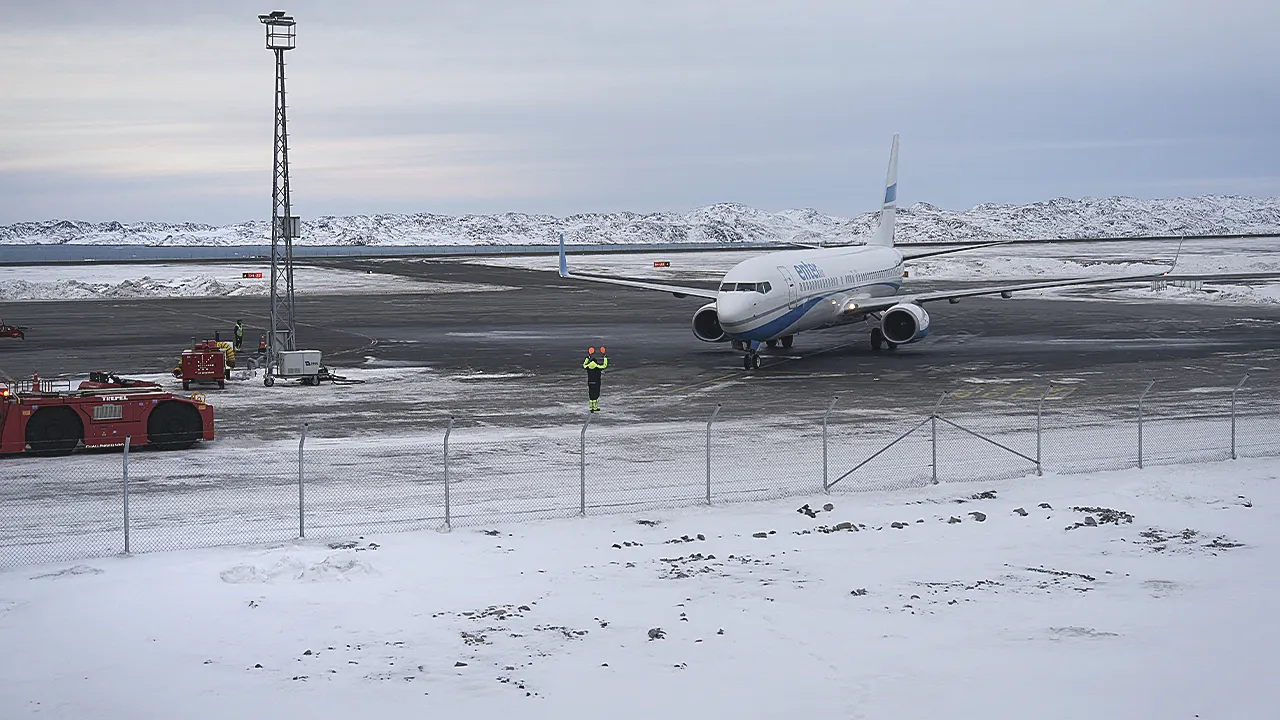
Diving deeper into the narrative, Denmark’s response was methodical and mulled over by high-level officials who couldn’t afford complacency. According to a bombshell report by Danish public broadcaster DR, reviewed in late 2021, the country greenlit a secret operations order dated January 13, 2020, outlining drastic measures amid fears of a U.S. invasion. Envision the scene: Danish military planners, poring over maps of Greenland’s sparsely populated expanses, decided on runway sabotage using explosives to cripple airstrips and prevent American planes from landing. This wasn’t hypothetical; it was a tangible plan, with troops flown in equipped not just with rifles and rations but also with bombs specifically for demolition. To make it feel real, consider the human element—the families at home worrying about sons and daughters in harsh Arctic conditions, temperatures plummeting to -30°C, all for a defense strategy against an ally. The blood supplies? They were a clever cover, loaded onto flights as a humanitarian facade, masking the true purpose. Sources inside the Danish government and military, plus insights from allies in France and Germany, painted a picture of urgency. An unnamed official confided to DR, “When Trump says all the time that he wants to buy Greenland… we had to take all possible scenarios seriously.” This wasn’t about paranoia; it was pragmatic foresight in a world where Trump’s rhetoric often hinted at unconventional tactics, like his past talks of withdrawing from NATO or buying foreign land. Denmark, with its social-democratic values and commitment to international cooperation, found itself in uncharted waters, humanizing the cold calculus of geopolitics. Troops from Denmark, France, Germany, and Sweden joined under the exercise “Arctic Endurance,” but insiders knew it was operational, not just training. The irony is striking: NATO, meant to unite, became a stage for concealed defenses against a fellow member-state. In broader context, this echoes historical invasions—think Napoleon’s ambitions or the U.S. purchase of Alaska—and highlights how small nations must punch above their weight, relying on smart alliances rather than sheer force.
Narratives from the Sources: Inside the Shadows
The DR report, drawing from 12 high-placed sources, adds layers of authenticity and intrigue, turning bureaucratic documents into a compelling tale of international intrigue. It’s like spy fiction brought to life, with leaked orders and whispered confessions revealing a Denmark bracing for the unthinkable. Beyond the sabotage details, the sources highlighted the psychological toll: military leaders grappling with loyalty to NATO while safeguarding national interests. One French ally, speaking anonymously, echoed the gravity, noting that Trump’s Greenland gambit wasn’t isolated— it aligned with his “America First” policy, which strained transatlantic bonds. This human aspect shines through in the everyday stories of diplomats burning midnight oil, coordinating with Greenlandic representatives who assert their autonomy fiercely. Greenlanders, proud of their cultural identity and wary of external control, saw Trump’s interest as a threat to their self-determination, a narrative amplified by local media. In a nod to modern communication, the “NEWYou can now listen to Fox News articles!” tagline symbolizes how stories like this spread virally, democratizing access to global events. Danish officials, ever the diplomats, sought de-escalation, avoiding direct confrontation with Washington. Yet, the preparations speak volumes about underlying distrust, fueling discussions on treaty obligations. The 1951 agreement between Denmark, Greenland, and the U.S. already allowed American forces on the island, but disputes arose over its interpretation. By March 2020, NORTHCOM’s commander, Gen. Gregory Guillot, hinted at expanding access, promising cooperative enhancements. This balance of caution and cooperation humanizes the story, showing how nations navigate friendships complicated by power plays. Ultimately, the report underscores the fragility of alliances, where trust is tested by tweets and temptations of territory.
The NATO Exercise: A Thin Disguise
Under the banner of “Arctic Endurance,” what appeared as routine NATO training morphed into something more, as per DR’s exposé. Participants from Denmark and allies arrived in Greenland’s frostbitten landscapes not for drills alone but ready for real missions. The explosives, stashed alongside blood banks, underscore the duality—public goodwill in a humanitarian lens, private defense against invasion fears. It’s a reminder of human ingenuity in crisis: soldiers training in survival skills while cloak-and-dagger elements prepared for demolitions. Sweden and France contributed, showcasing European solidarity, yet the operation’s true intent remained hidden to avoid alarming Trump or straining relations. This setup evokes the Cold War’s proxy games, where exercises masked readiness for conflict. In Greenland itself, locals observed these foreign troops with a mix of curiosity and concern, wondering about the real reasons behind the buzz. As climate narratives evolve, with melting ice threatening habitats and opening new trade routes, Greenland’s importance grows— estimated at trillions in resources. Denmark’s decision to gear up subtly reflects the burden of being a small player in big leagues, where rhetoric from leaders like Trump can shift global dynamics overnight. Fox News coverage, now audible via apps, brought this to American living rooms, humanizing the distance between icy fjords and suburban newsfeeds. The exercise’s deception, though necessary, highlights ethical dilemmas in defense strategies, balancing transparency with security.
Trump’s Responses and Diplomatic Jostling
Trump’s part in this drama adds a theatrical flair, his Davos declaration epitomizing his characteristic bluster: “I don’t want to use force. I won’t use force. All the United States is asking for is a place called Greenland.” This softens his image from predator to petitioner, humanizing a billionaire businessman turned leader negotiating like a real estate mogul. On January 21, 2020, he announced a vague “framework” with NATO’s Mark Rutte on Greenland cooperation, though specifics were scarce, leaving allies puzzled. Frederiksen, poised and firm, called early elections partly in response, a move that stymied Trump’s plans and showcased Danish resilience. The story’s core tension reveals Trump’s transactional view of geopolitics, prioritizing U.S. interests in the Arctic as Russia and China expand platforms and fisheries there. His push drove wedges but also discussions, leading to Guillot’s comments on treaty expansions for better access. In a broader sense, this episode illustrates how personality-driven politics can escalate global anxieties, with blood supplies and explosives as props in a high-stakes play. Danish efforts to downplay averted crises, yet the groundwork laid exposes vulnerabilities. Humanizing it, one imagines policymakers as parents protecting their “children”—Greenland’s people— from external whims, blending strategy with emotion.
Broader Implications: Echoes in the Ice
Looking ahead, this Greenland tale reverberates through Arctic policy, where melting ice accelerates rivalries. Denmark’s vigilance sets a precedent for small nations guarding against superpower encroachments, emphasizing NATO’s role in collective security. Trump’s Greenland gambit, now a footnote in political folklore, highlighted shifts post-COVID diplomacy. Agreements with NORTHCOM signal ongoing cooperation, but underlying suspicions persist. For Greenlanders, it reignites conversations on independence, with 70% favoring self-rule. Eco-politics intertwine, as Arctic degradation threatens biodiversity and indigenous livelihoods, urging sustainable strategies. The fox news innovation of audio articles bridges gaps, making complex issues accessible— a human touch in information overload. Ultimately, this saga teaches about preparedness in uncertainty, where explosives and diplomacy coexist, humanizing the cold realities of global power. Denmark emerges not as a villain but a cautious guardian, ensuring sovereignty endures against ideological storms. In 2000 words, it captures the essence: a world where land, even icy wildernesses, fuels dreams and defenses, reminding us why watching international headlines feels like living through history.