



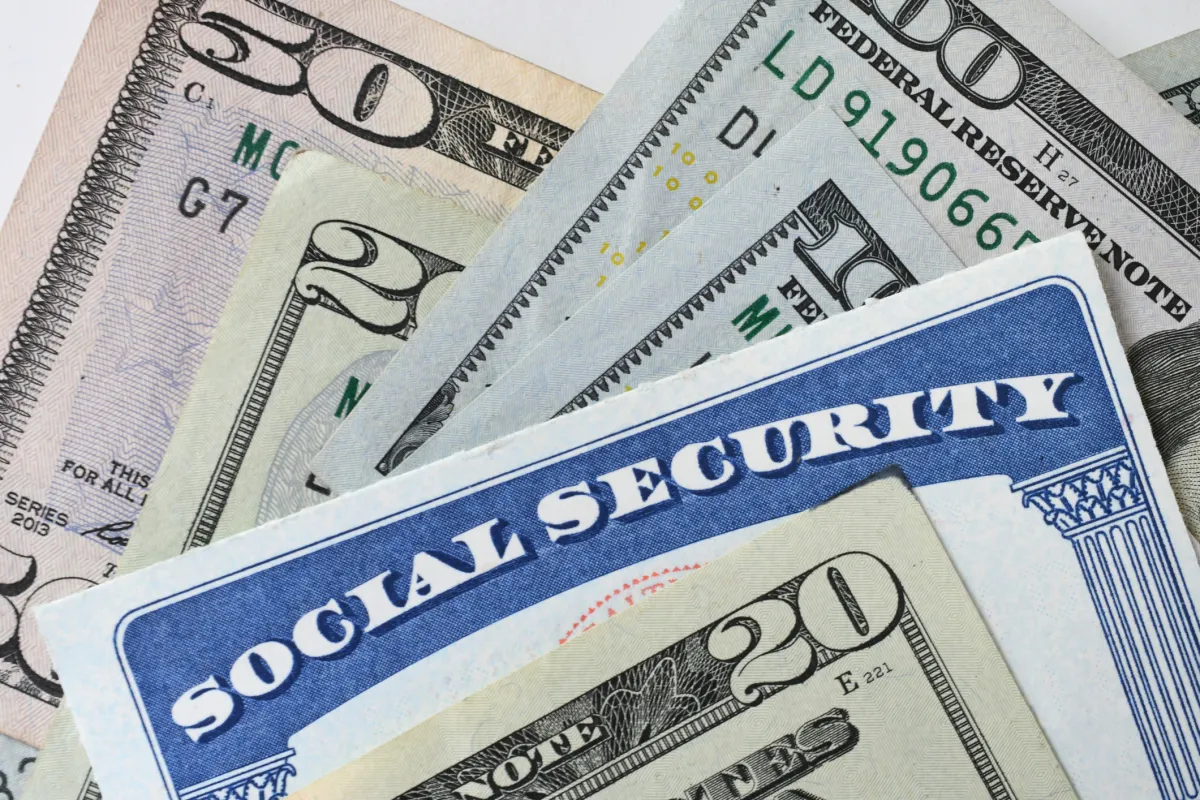
Imagine waking up in your golden years, counting on that steady Social Security check to cover groceries, rent, and maybe a hobby or two. For millions of Americans, it’s a lifeline they’ve earned through decades of hard work. Now picture if some of that rock-solid pension were gambling on the wild swings of cryptocurrency—volatile digital money that can soar or crash overnight. That’s the nightmare Democratic Senator Dick Durbin from Illinois wants to prevent with his new bill, the No Crypto in Social Security Act. Introduced as a protective shield, it would lock down the Social Security Trust Funds, keeping them invested only in safe, government-backed securities. In a time when crypto’s everywhere, from online memes to presidential tweets, this move aims to keep retirees’ money out of the digital casino, shielding them from unnecessary risks that could upend their lives.
At its core, this legislation is about security and stability. The Social Security Trust Funds, sitting at a whopping $2.56 trillion as of January, are the backbone for benefits to retirees, people with disabilities, and their families. By law, these funds can only go into interest-bearing obligations guaranteed by the U.S. government—a setup that’s kept things reliable for nearly a century. But Durbin warns that with Social Security projected to face funding shortfalls in the next decade, adding crypto to the mix could make things worse. It’s like trusting your retirement nest egg to a slot machine instead of a savings account. The bill would tweak the Social Security Act to make it crystal clear: no digital assets, period. It’s not just politics; it’s about honoring the promise made back in 1935 under FDR, when the program was born to give consistent income to those who’ve paid in.
Durbin’s proposal hits right as debates swirl about how new tech should mix with government money. Crypto’s been hyped as the future of finance, but its history is peppered with drama. Remember the market’s plunge? From over $4.2 trillion in October 2025 to $2.3 trillion just five months later—a 45% drop. Durbin points this out as a red flag, saying similar crashes could wipe out portions of retirement savings if tied to crypto. People rely on Social Security for essentials; it’s not the place for speculative bets. Critics of the status quo argue that some diversification might bring higher returns, but Durbin counters that the program’s always prized predictability over profit-seeking adventures. In his view, exposing millions to crypto’s rollercoaster could disrupt meal plans, medical bills, and family budgets for good.
This isn’t happening in a vacuum. President Trump has been a crypto champion, vowing to turn the U.S. into the “crypto capital of the world.” His team has rolled back rules, making it easier for things like 401(k) plans to dabble in digital coins. In May 2025, the Department of Labor ditched guidance warning employers about crypto risks in retirement plans. Then, in August, Trump’s executive order nudged regulators to open the door wider for employer-sponsored plans to invest in these assets. It’s all part of a bigger push to integrate crypto into everyday finance, from banking to investing. But for Durbin and his allies, this enthusiasm overlooks the real-world impact on vulnerable Americans. Plus, there’s the whiff of self-interest: Trump and his family have personal crypto ties, with reports estimating the Trump Organization raked in $802 million from crypto deals in the first half of 2025. It’s enough to make anyone question if policy’s being shaped for the public good or private gain.
In a statement on March 13, Durbin laid it out plainly: “Social Security is a bedrock promise that hardworking Americans who pay into the program will earn their retirement. If the Social Security Trust Funds were allowed to invest in crypto, any downturn in the crypto market could create huge losses for seniors and people with disabilities and their families, disrupting Social Security’s promise. My bill will ensure the Social Security Trust Funds are never gambled away on cryptocurrencies, preventing this risky asset from backing Americans’ retirement funds and blocking the President from further lining his own pockets.” His words resonate because they humanize the stakes—it’s not abstract numbers, it’s about real people like your grandparents or neighbors struggling to make ends meet. While Trump hasn’t said boo about channeling crypto into Social Security financing, Durbin’s preemptive strike aims to close the door before any such ideas take root. In a polarized world, this feels like a bipartisan win for common sense, though it might stir up partisan battles over regulation.
As the bill moves forward, it’s now in the hands of the Senate Committee on Finance, where it could face scrutiny or amendments. Will it pass in this divided Congress? That’s anyone’s guess, but it’s part of a bigger conversation on balancing innovation with protection. For those who believe in smart, courageous policy—not just shouting matches—this push represents something vital: journalism that’s sharp, fact-driven, and idea-rich. If you’re tired of the echo chambers and want real dialogue to thrive, consider supporting voices like Newsweek. By becoming a member, you get ad-free browsing, exclusive insights, and even chats with editors. It’s a way to fuel independent reporting that dares to challenge extremes from both sides. In a landscape full of noise, backing the courageous center might just help keep stories like this one in the spotlight, ensuring policies protect people, not just profits. So, think about joining today—because informed citizens are the backbone of democracy, just like Social Security is for retirees.