

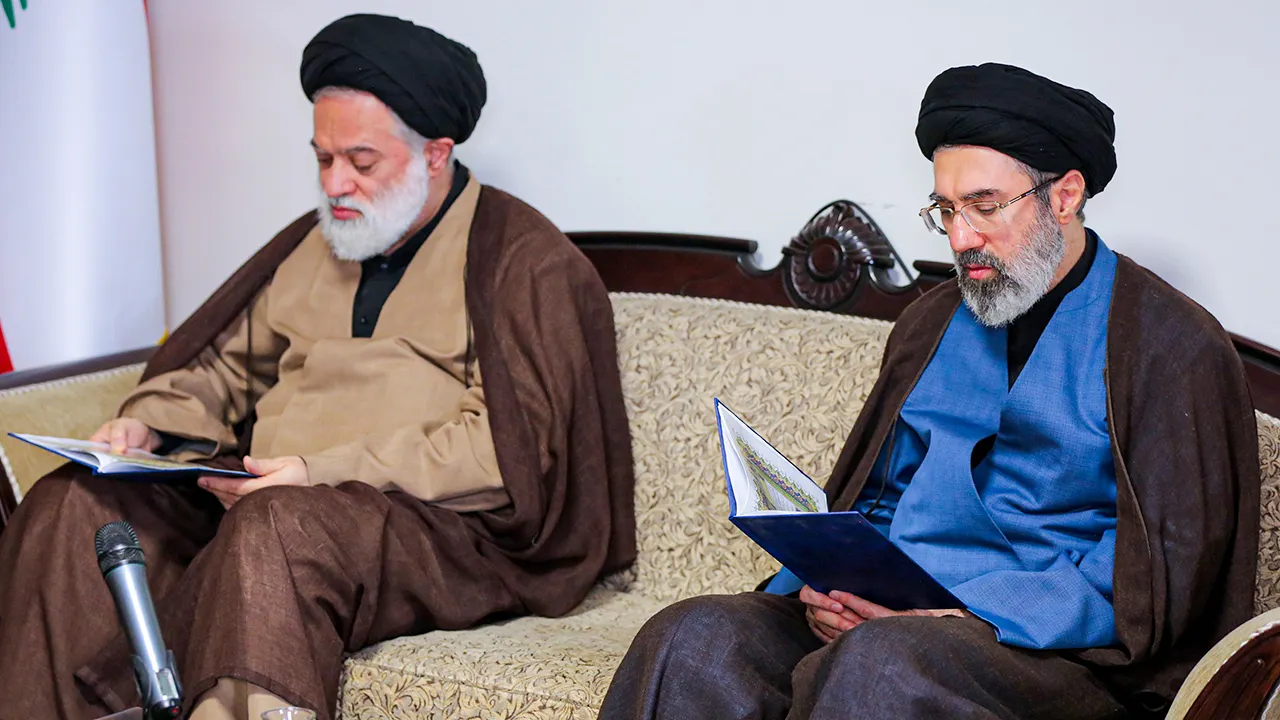
The Shadow of Succession
In the heart of Tehran, a family that had long gripped the reins of power faced an unthinkable upheaval. Ayatollah Ali Khamenei, the iron-fisted supreme leader of Iran for decades, had been the embodiment of an unyielding regime—at once a religious icon, a political juggernaut, and a symbol of defiance against external foes. His death in an Israeli missile strike on February 28 wasn’t just the end of a life; it shattered the illusions of invincibility surrounding Iran’s leadership. For ordinary Iranians, who whispered about change in hidden corners, the strike offered a flicker of hope, a rupture in the rigid order that had dictated their lives. But as dust settled over the residential compound, the question loomed: who would fill the void? Mojtaba Khamenei, Ali’s son, emerged as the anointed successor, yet whispers from Israeli intelligence painted a grim portrait—one where he seemed more puppet than potentate. Analysts described him as an “empty entity,” a figurehead lacking the authoritative voice or vision to command the fractured regime. Imagine the weight on this man’s shoulders: a reluctant heir, thrust into a role amid chaos, perhaps haunted by the near-miss of his own demise. Leaked audio from a hushed meeting revealed the terror of that night—Mojtaba had stepped out for a walk mere minutes before the explosion, escaping with only a minor leg injury while his father perished. It was a stroke of fate that turned a family tragedy into a national reckoning. Yet, in the aftermath, Mojtaba’s elevation felt like a hastily stitched bandage over a gaping wound. He wasn’t steering the ship; instead, the regime wobbled, leaders scrambling like actors in a poorly rehearsed play. For the people enduring rationed freedoms and economic strain, this wasn’t just politics—it was a reflection of their own powerlessness, where one man’s vacancy echoed their collective silence.
A Life Narrowly Spared, A Role Unearned
Picture Mojtaba Khamenei, a man in his fifties, known more for his scholarly pursuits and familial ties than for bold leadership. Naghmeh Bazargan, a human rights activist based in London, once described him as “a shadow in the wings,” uninterested in the spotlight. On that fateful February night, as sirens wailed in the distance, Mojtaba had chosen to stroll amidst the compound’s gardens, seeking a moment’s respite. Minutes later, the world erupted. Israeli missiles, precise and merciless, struck the residence, claiming Ali Khamenei and several relatives. Witnesses spoke of panic, of family members diving for cover, their lives reduced to instants of survival. A minor leg wound was Mojtaba’s only scar—a twist of fortune that elevated him from obscurity to supremacy. Headlines screamed his name, but reality told a different tale. Iranian state media unveiled him through a prerecorded message, his voice steady yet scripted, urging revenge against perceived enemies. No public appearances followed; no rallies or decrees from the podium. Instead, aides relayed his words, a distant echo of authority. For Mojtaba himself, this ascension must feel like a gilded cage. Raised in the echoes of his father’s austerity, he now navigates a landscape marred by internal strife and external threats. Insiders hinted at his confusion, perhaps even paralysis, as reports swarmed of his health—some claimed he lingered in a coma-like state, others swore he healed swiftly. Empathy creeps in: is he a victim of circumstance, a technocrat thrust into turmoil, or a willing participant in a facade? The leaked audio painted a vivid scene—protocol chief Mazaher Hosseini recounting the strike’s horrors to senior elites, detailing injuries like casualties on a battlefield. It humanized the elite: not untouchable gods, but mortals reckoning with loss.
Whispers of a Broken Regime
From the vantage of Israeli analysts, the Iranian government post-strike resembled a body politic in shock, limbs flailing without coordination. Kobi Michael, a seasoned defense expert, didn’t mince words: the new regime was “misfunctioning,” a disjointed machine sputtering under weight. Mojtaba, absent from cameras or crowds, symbolized this dysfunction. Gone were the days of Ali’s omnipresent decrees; now, silence reigned, punctuated by sporadic statements vowing retribution. Imagine the dissonance for Iranians—citizens tired of inflation’s bite, of suppressed dreams—who still tuned to state TV, hoping for strength. Yet, reports trickled in that Mojtaba had gone underground, his minor injury possibly belied by deeper malaise. Some speculated a coma, fueled by denied healings. In this void, power vacuumed into factions, each eyeing the throne. Analysts warned of a leadership paralyzed by fear, unable to rally or retaliate effectively. For the people, this wasn’t abstract geopolitics; it was daily reality. Take Hossein, a Tehran shopkeeper, who shared stories of nightly blackouts and cafes buzzing with forbidden debates. “We pray for change,” he’d say, knowing Mojtaba’s inertia mirrored their stasis. Empathy for the masses: living under a thumb that now trembled, yearning for a leader who could mend而不是 mask. The regime’s facade crumbled further with killings—Ali Larijani, a security czar, assassinated on Tehran’s outskirts, his death a poignant echo of Khamenei’s fate. Mojtaba’s public vow of justice felt hollow, a ritual incantation more than resolve. It humanized the player: not a bloodthirsty tyrant, but a man responding to grief, promising vengeance while grappling with vulnerability.
Echoes of Vengeance and Hidden Pains
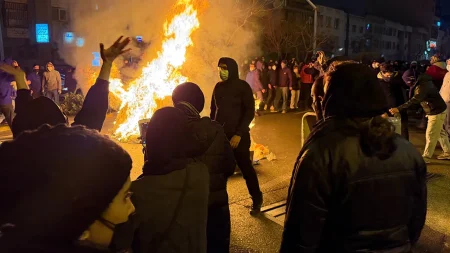
Amid the smoke of strikes, Mojtaba’s voice emerged again—a statement laced with fury after Larijani’s demise. “Such acts of terror reflect enemies’ hostility and strengthen our resolve,” it declared, invoking “justice” for Islam’s “nation.” But what did that mean for ordinary souls? For Fatima, a mother shielding her children from propaganda, it stirred pride tinged with dread. The same statement, read on state TV, warned Gulf nations to shutter U.S. bases, a defiance stretched thin. Frontline reports unveiled more: militia leader Gholamreza Soleimani, a Basij commander, felled in another precision hit. These weren’t faceless foes; they were fathers, uncles, protectors in a system that demanded sacrifice. Leaked audios and intelligence drips humanized them—Mazaher Hosseini, voice cracking in recount-pr ool of the missile’s roar, detailing Mojtaba’s wound as minor yet harrowing. It painted a portrait of trauma: elites huddled, plotting amidst loss, their supreme leader MIA. For Israelis, it signaled success—regime figures fleeing shadows, exposed by relentless espionage. But empathy bridges divides: Mojtaba’s coma rumors hinted at a man broken by proximal death, perhaps isolated in recovery, his mind replaying sirens. In Iranian streets, protests simmered below curfews, citizens empathizing with their own struggles. One anonymous source whispered of Mojtaba’s reluctance, his preference for theocratic backrooms over this exposed throne. Vows of revenge, then, became cries of a wounded ego, echoing the regime’s fragility.
America’s Bold Gambit and Israeli Resolve
Across the Atlantic, President Donald Trump seized the moment, his words crackling like thunder over broadcasts. “When we are finished, take over your government. It will be yours,” he urged Iranians, framing strikes as a path to liberation. This wasn’t mere rhetoric; it was a call to arms for a downtrodden populace, implicating U.S. and Israeli forces in regime change. Analysts like Kobi Michael saw synergy: missile barrages weakening leadership, fostering “conditions for the Iranian people to topple the regime.” Humanize this: think of it as a revolution’s spark, igniting hidden hopes. For Sarah, an expatriate in New York, Trumps words rekindled memories of the 2009 Green Movement, where young dreamers faced bullets. “Freedom could be real,” she’d ponder, weighing alliance risks. On the Israeli side, strikes evolved strategy— not escalation, but attrition, “a crucial component to weaken the regime until it’s no threat.” Michael described relentless pursuit of officials, turning Tehran’s outskirts into hunting grounds. Victims like Larijani represented chains of command, their deaths dismantling terror networks. Empathy extends: Israelis mourned Hezbollah-linked losses, but defended necessity against Iran’s nuclear ambitions. Mojtaba’s palace stroll became emblematic—timing averted tragedy, yet it underscored human error in divine ambitions. The U.S.-Israeli alliance, in this light, aimed for ultimate victory: “the Iranian people” reclaiming power, not conquers imposing it. Trump’s vow of “very hard” hits if needed promised escalation, but the intent felt emancipatory, a counter to Khamenei’s legacy.
Toward a Fragile Horizon
As embers cooled, the Iranian landscape shifted subtly, regimes fragility exposing fractures for all to see. Mojtaba Khamenei, once a hidden son, now embodies a failing dynasty—absence from public ev, forestalling reconstitution. Analysts predicted prolonged dysfunction, the regime unable to recover as a “destabilizing player.” For Iranians, this bred cautious optimism: whispers of reform, of seizing a “moment of freedom.” But human costs loomed—strikes claiming lives, leaving widows and orphans in their wake. Mojtaba’s veiled challenges—health rumors, isolation—mirror societal toll: fear, uncertainty, yearning. The U.S. and Israel pressed, hoping wounds inflicted would bleed into revolution. Yet, cynicism crept: would power vacuums birth chaos or change? Think of Mojtaba’s plight: a man destined for scholarship, now guardian of ghosts, his leg’s limp a symbol. In streets, Hossein’s generation debated—empowerment or peril? The article’s core, humanized, reveals geopolitics as personal drama: families shattered, leaders shaken, peoples poised at brink. Salvation isn’t military; it’s indigenous overthrow. For hope persists, in quiet histories of resistance, that an “empty entity” might usher in fullness. The path ahead, though turbulent, offers redemption—not in vengeance’s shadow, but in freedom’s dawn. As Trump vowed, it’s a gamble on humanity’s yearning for better, a story unfolding in real-time fragility.