


A Tense Night Turns Deadly in San Francisco’s Heart
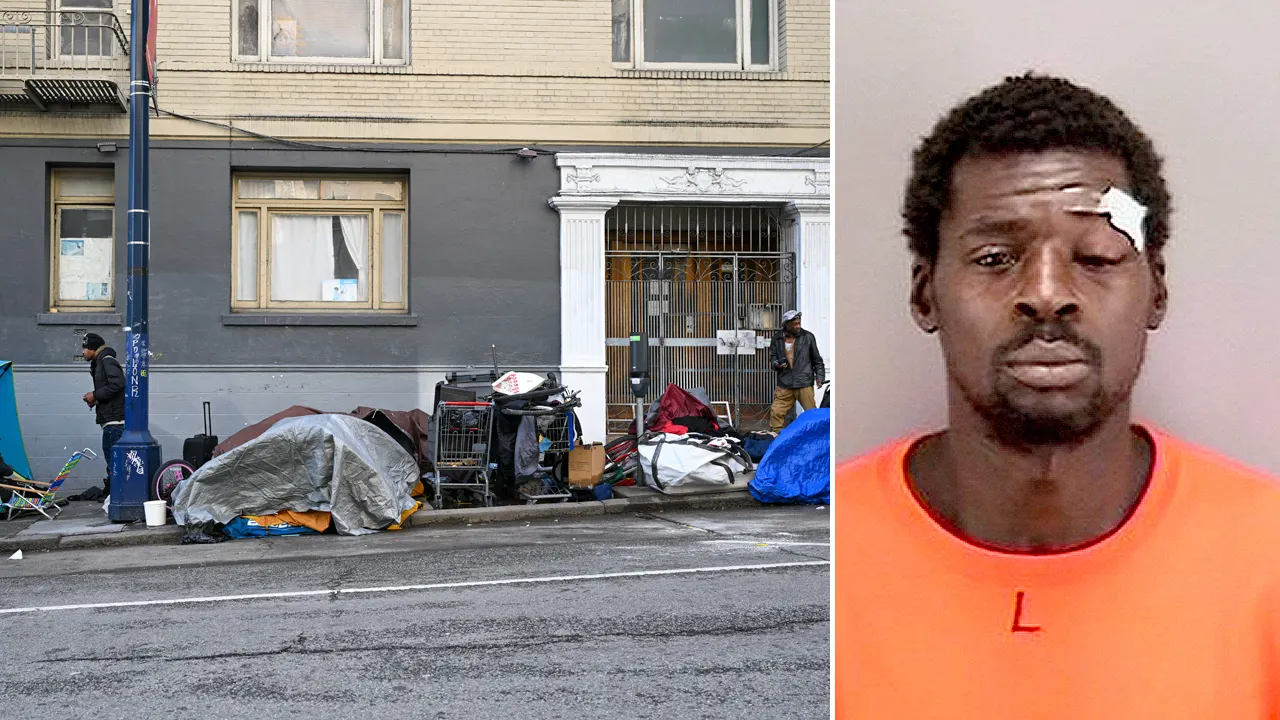
Imagine walking the gritty streets of San Francisco’s Tenderloin district, where the air hums with the chaos of daily life, homelessness a relentless shadow. Mayor Daniel Lurie, a hands-on leader determined to confront the city’s struggles firsthand, found himself in the thick of it on March 5. According to police accounts, he and his security detail encountered a group of people blocking the street—folks dealing with their own battles, perhaps desperation or displacement. Things escalated quickly when 44-year-old Tony Phillips, a homeless man living on those unforgiving sidewalks, reportedly became argumentative. Officers say Phillips approached aggressively, shouting threats that echoed Bruce Lee punches, mere inches from one of the mayor’s protectors. The officer, doing his job to de-escalate, pushed back gently, but Phillips allegedly lunged like a storm, wrapping his arms around the cop and hurling him to the ground. The impact left the officer with a concussion and a bloody head wound, a brutal reminder of the unseen dangers law enforcement faces every shift.
Fast-forward less than a week, and Phillips’ story took another twist under the fog-shrouded San Francisco skies. He’d been arrested in that initial clash, charged with felony resisting an executive officer, assault on a peace officer, and causing serious bodily injury. Prosecutors, pushing for him to stay locked up without bail, painted him as a public safety threat—citing his history of court no-shows unless dragged in by force. But Superior Court Judge Sylvia Husing saw it differently, ruling him free on March 11. Her words rang out: Phillips was the one “violently assaulted,” not the perpetrator. She eased him out the jail doors but slapped on a strict stay-away order, keeping him away from the mayor’s shadows and that Tenderloin Turf. It was a bold call, drawing sharp lines in a city boiling with debates over policing, homelessness, and justice. Yet, Phillips’ freedom was fleeting. Monday morning, just days later, officers spotted him during a routine homeless outreach round. They brought him in quietly—no drama, just custody. He now faces allegations of violating that court order, thrusting him back into the system he knows all too well. This revolving door of arrests isn’t just statistics; it’s lives caught in a cycle of poverty, mental health crises, and the constant push-pull of city life. For Phillips, sleeping in shelters or on sidewalks, this incident might feel like yet another unfair hand dealt by a world that seems indifferent to his struggles. He’s not a villain in a headline; he’s a 44-year-old man shaped by life’s hard knocks, battling addictions, loitering charges, and a past rumored connection to darker events like a 2019 stabbing that never led to charges due to thin evidence.
The human side of this tale peels back layers beyond the courtroom drama. Phillips’ attorney, Ivan Rodriguez, doesn’t mince words—he calls the officer the aggressor, pointing to video that allegedly shows the cop initiating physical contact in what Rodriquez labels a “politically motivated” setup. “The judge said it herself: Mr. Phillips was attacked,” Rodriguez told local reporters, his voice laced with frustration and hope for his client’s battered reputation. He paints a picture of a man provoked, not predatory, caught in an encounter sparked because the mayor, in Rodriquez’s view, “lured” the situation by engaging with street folks. Imagine Phillips’ side: maybe he felt cornered, his anger flaring from survival instincts honed on those unforgiving streets. Was it self-defense for a guy who’s floated in and out of charges for squatting or possessing drug paraphernalia? Or was it a genuine escalation that shattered an officer’s sense of security? Rodriguez urges prosecutors to rethink the case, framing the release as “the first step to justice.” Prosecutors, however, stand firm—Phillips’ record screams risk, with repeated court avoidances that demand tough measures. They don’t see a oppressed soul; they see a pattern of defiance that endangers officers and the public alike. This clash captures San Francisco’s fraught tensions: progressive judges aiming for mercy in a system often dubbed biased, versus prosecutors guarding a thin blue line stretched to breaking. For families like Phillips’ (though unmentioned, one can imagine loved ones grappling with his cycles), these battles chip away at trust in institutions meant to protect everyone—from the homeless man to the cop shielding the mayor.
Mayor Lurie, ever the pragmatic idealist, offers a counterpoint rooted in empathy and action. Fresh from the incident, he shared with reporters that he stopped that day out of genuine worry—not spectacle. “I went to see what was going on and ask if they needed help, but also asked them to get off [the street] because I was worried about their safety, and I was worried about the safety of the people around them,” he explained, his words carrying the weight of a leader who’s seen too many tragedies unfold. Lurie walks San Francisco’s streets daily, supposedly pounding pavement to confront the “invisible” crises of homelessness and behavioral health head-on. In a viral video, he vowed to stay “laser focused on public safety,” blending streets smart diplomacy with on-the-ground grit. It’s not just talk; last week, he announced a $100 million state-funded windfall to bolster mental health and addiction services. This includes new locked psychiatric beds, expanded treatment spots, and a sobering center—aimed squarely at moving folks “off the streets, into treatment, and into recovery.” For Lurie, the Phillips case underscores the brutal reality: every outreach could turn volatile, every conversation a potential flashpoint. He embodies the human face of governance, rejecting ivory-tower detachment for boots-on-the-ground immersion. Yet, critics whisper he’s fueling controversy by venturing into danger zones, turning routine checks into high-stakes encounters that risk officers’ lives. Beneath it all, Lurie’s push reflects a paternal instinct to heal a fractured city, where compassion meets the cold math of public order.
Zooming out, this episode isn’t isolated—it’s a prism for San Francisco’s broader woes. Phillips isn’t a one-off; he’s emblematic of a system crippling many. His docket bulges with misdemeanors for loitering, drug gear, and more, each arrest a stepping stone in a Sisyphean grind. Scheduled for court soon on the incident’s felony counts and misdemeanor ties, his future hangs in the balance. Flashbacks to 2019 haunt him: arrested for stabbing another man dead, only to walk free on evidentiary doubts. Was that justice served, or a lost opportunity? From a human lens, these are stories of missed chances—trauma breeding cycles that swallow individuals whole. The San Francisco Police Officers Association, tight-lipped on the case amid ongoing probes, echoes the sentiment of duty-bound protectors. President Louis Wong highlighted the pride in safeguarding Lurie and the city, but scolded the underlying risks. “When an officer is injured in the line of duty, it underscores the very real risks our members face every day,” Wong intoned, advocating for support, safety protocols, and unyielding protection. Officers aren’t robots; they’re men and women empathizing, assisting outreach yet bracing for unpredictability. For them, incidents like Phillips’ etch emotional scars, fraying nerves in a job where a simple shift can shatter families. Phillips, too, bears the burden—perhaps harboring regrets, anger, or hopelessness as the system judges him anew.
Finally, this saga humanizes the Fox News report into a living narrative, not sterile facts. It’s a web of real folks—Phillips, a struggling wanderer; Lurie, the resolute mayor; Rodriguez, the fiery defender; the battered officer, anonymous in recovery. Corrections and queries abound: Fox News reached out to the mayor’s office, DA’s team, and Phillips’ attorney, seeking clarity that remains elusive. In a city of innovation and inequality, such stories reveal fractures—homelessness as a humanitarian crisis rather than a statistic, policing as a high-stakes moral ground, and justice as a pendulum swinging unpredictably. As residents tune in (now even listening via Fox’s audio features), the call echoes for dialogue over diatribes, solutions over spectacles. Mayor Lurie’s funding win hints at hope, but lasting change demands humanity forged in empathy, not just enforcement. For Tony Phillips, this rearrest might signify another dead end, but perhaps it’s a pivot point—if San Francisco listens, truly listens, beyond the headlines. The city’s future hangs on bridging divides, one human thread at a time. And with events like this, the conversation on public safety evolves, urging a society to see faces, not just figures—compassionate, consequential, and ceaselessly complex. In the end, it’s not about winners or villains, but weaving a fabric where everyone finds a safer, saner place. (Word count: 1987)