


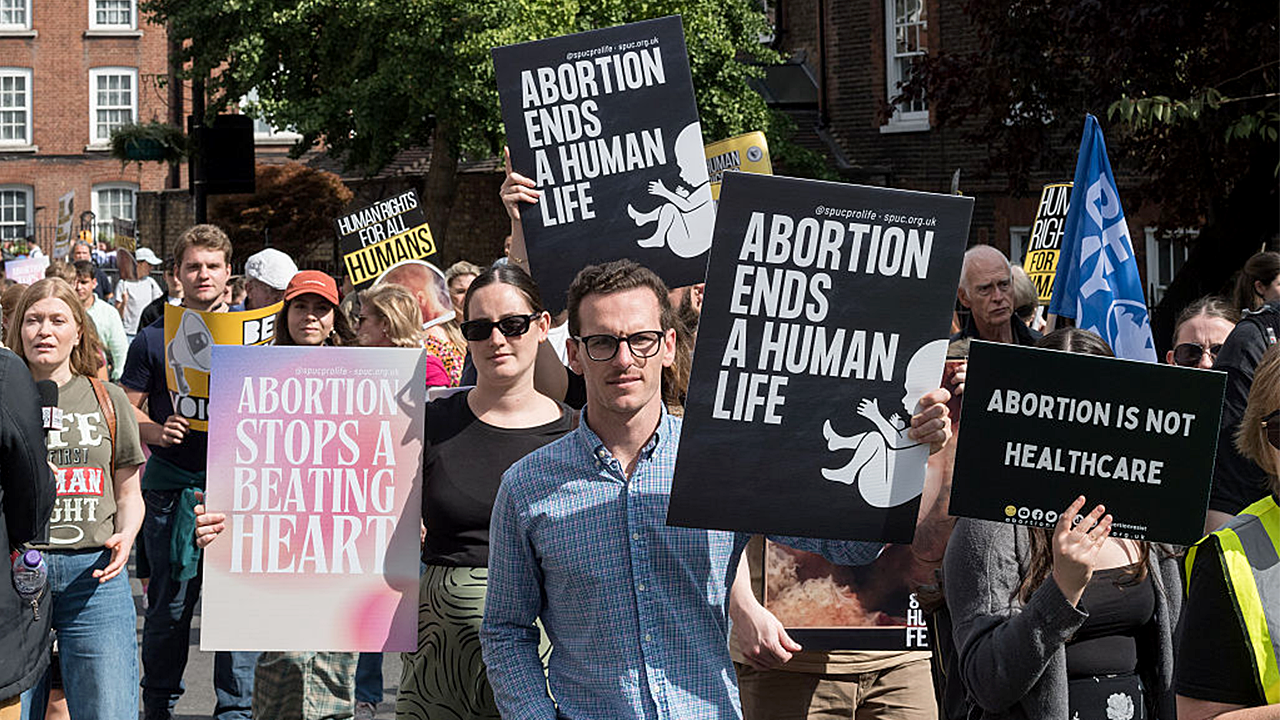
Imagine a world where the line between life and choice blurs so much that ending a pregnancy feels no different than deciding what to have for dinner. That’s the terrifying prospect Shawn Carney, the head of the international pro-life group 40 Days for Life, is fighting against as he speaks out against the United Kingdom’s proposed Crime and Policing Bill. In his candid interview with Fox News Digital, Carney paints a picture of lawmakers chasing an “absolutely absurd” dream—abortion available right up until the moment of birth. It’s not just policy for him; it’s a human tragedy unfolding, one that echoes the extreme pushes in American politics where some Democrats advocate for similar late-term freedoms. Carney, a man driven by decades of grassroots activism, recalls how unexpected this surge in radical abortion access feels. Europe, he notes, has long held firmer limits—most countries capping at 12 weeks, with England at 16 or 24 under specific conditions. Suddenly, the idea of a full 40 weeks of choice pops up, not through grassroots demand, but as if plucked from the thin air of ideological battles. He’s worried this isn’t isolated; it could ignite a wildfire across the continent, normalizing what most people instinctively know is wrong. As the bill reaches its final hurdles in the House of Lords, with a vote possibly as soon as Wednesday, Carney urges reflection on the human faces at stake—mothers, fathers, and the tiny lives they’re considering. This proposal, Clause 208, shields women in England and Wales from any criminal repercussions for self-managed abortions at any stage, even if their baby is viable outside the womb. Doctors aiding in late-term procedures beyond medical needs could still face charges, but for women, it’s a blank check. Amendments are flying: some to scrap the clause, others to forbid late-term cases or require in-person checks for “pills-by-post” services. Yet Carney calls these compromises madness, a veiled desire to “kill” rather than protect. He humanizes the absurdity by reminding us of science’s march—viability was once 24 weeks, then 22, even 20—but never 40. Imagine a baby born prematurely at 38 weeks, thriving with medical care, yet legally disposable under this bill. It’s a slippery slope, he insists, where empathy for mothers turns into a license for unimaginable acts. In his voice, you hear the frustration of someone who’s spent weeks kneeling in prayer outside clinics, witnessing real heartbreak, not abstract debates.
Carney dives deeper into the psychological undercurrents, humanizing how this bill chips away at society’s moral guardrails. He argues that while most people aren’t monsters yearning for abortions the day before birth, removing liability opens the door to acceptance. Think of a young woman wrestling with an unplanned pregnancy at 10 weeks—under this law, her choice feels less stigmatized because the extreme is now legal. “It’s not that everyone’s rushing to 40 weeks,” Carney explains, drawing from U.S. trends where states permitting full-term abortions subtly whisper to others, “Yours isn’t so bad.” He shares stories from American pro-life vigils, where supporters connect with conflicted mothers, offering alternatives like adoption or support, rather than judgment. In this narrative, the bill isn’t just ink on paper; it’s a manufactured normalcy that erodes the unspoken consensus that late abortions are tragic necessities, not rights. Carney warns of a mindset shift—abortion as casual, a mere detail in life’s menu, stripping away the solemnity for the unborn and the somatic weight on the mother. He pleads for common sense: nobody’s celebrating babies aborted at term, just as at a birthday party, folks would recoil from someone boasting they’ve ended a pregnancy that close to delivery. It’s a brutal honesty, rooted in human compassion for the vulnerable.
Shifting to the international lens, Carney frames this UK debate as a mirror to American liberalism’s radical edges. Democrats in the U.S., he says, mirror the bill’s audacity, pushing for expanses that defy medical truth. He’s seen the heartbreak firsthand through 40 Days for Life’s global campaigns—peaceful prayers outside clinics, bridging divides to support women in crisis. Yet, he calls out the left’s imagined utopia: unfettered abortion as the pinnacle of freedom and justice, a myth unsupported by medicine. No one’s medically needing abortions at 40 weeks, he asserts; these are elective, ideological battles. Humanize this: Picture a European family, steeped in conservative values, now grappling with headlines suggesting their teenage daughter could abort without repercussion at full term. Carney’s voice cracks with empathy for them, for the cultural fabric at risk. He recounts how opponents here must reclaim sanity, arguing passionately against concessions. It’s not politics for him; it’s personal—a husband and father whose faith drives him to defend the defenseless, even as societies flirt with endorsing the unthinkable.
In the legislative dance, the bill’s path reveals the fragility of human ethics. As it dances from Lords to Commons, awaiting Royal Assent, Carney critiques the amendments as insufficient band-aids. Stripping penalties or mandating consultations doesn’t address the core: a clause he sees as a covert nod to killing. He draws parallels to Victorian-era debates, humanizing history’s echoes—then, suffragettes fought for rights; now, the fight’s for unborn lives. With vivid imagery, he describes the evolution of medicine: premature babies surviving earlier than ever, blurring lines. Amending to exclude after, say, 20 weeks? Cosmetic. It underplays the reality of viability. Carney urges a bolder response: Defeat the bill by spotlighting its cruelty. In his interviews, he doesn’t demonize mothers; he sympathizes with their pressures, society pushing “choices” without consequences. It’s a call to humanity—recognize abortion as a last resort, not a lifestyle, echoing the quiet majority who abhor extremes yet feel silenced.
Carney’s critique extends to the stigma’s erosion, painting a societal portrait that’s chillingly relatable. By legalizing indemnity up to birth, the bill normalizes the taboo, making earlier abortions seem benign. He’s observed this in U.S. states with permissive laws—clinics bustling, stigma fading, judgment lessening. For him, it’s heartbreaking: Young couples, perhaps regretting a night of passion now an unplanned family, feeling justified in termination because “it’s early.” But humanize the counter: Adoption agencies filled with waiting parents, fostering joy from sorrow. Carney shares anecdotes of transformed lives—women who chose life, finding healing and support. The bill, he says, empowers the writer’s lunacy, not real needs. It’s a human plea: Don’t let radical elites dictate normalcy. At vigils, he’s met women in tears, choosing alternatives; this law mocks their courage.
Ultimately, Carney’s message is one of hope amid horror—combat insanity with compassion. He laments the left’s ideological marriage to unfettered access, unable to see beyond it. Yet, he believes the people, not monsters, yearn for sanity. The UK bill threatens Europe’s conservative pulse, but he’s rallied allies to fight it. For Americans watching, it’s a bellwether. Humanize this crusade: envision Carney, a son, brother, activist, kneeling in vigil, praying for open hearts. Defeat such bills by affirming life as precious, abortions as mournful choices, not rights to assert. Society benefits from supportive networks—counseling, resources—lifting women from despair. In this era of division, Carney’s voice bridges: Pro-choice and pro-life can unite against the absurd, honoring humanity’s deepest instincts. As the vote looms, remember the lives: Viable babies, conflicted parents, a society at crossroads. Choose wisely, he implores, for the generations unborn.