

The Pulse of a Struggling Nation: Cuba’s Descent into Darkness
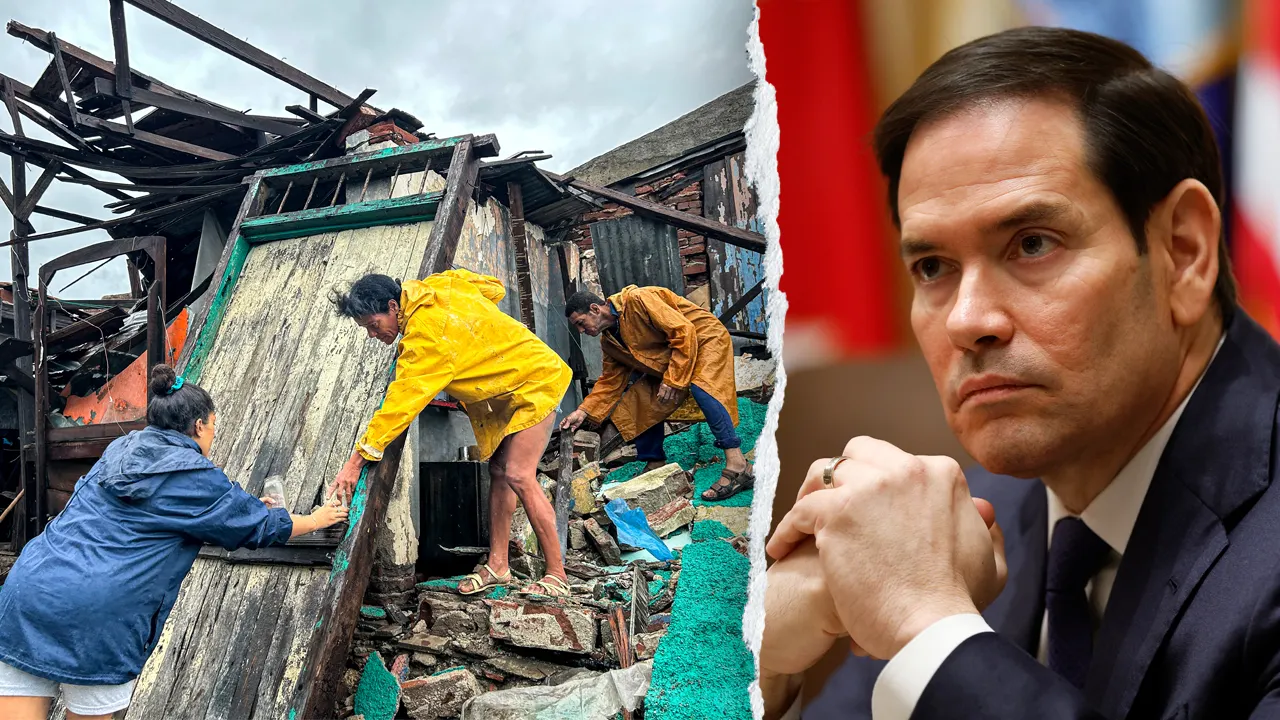
Imagine walking through the cobblestone streets of Havana, where the vibrant salsa rhythms that once defined the island have been silenced by an unrelenting shroud of darkness. For days now, millions have grappled with blackouts that plunge entire communities into a primitive night, stripping away the comforts of electricity and leaving families to navigate the chaos with nothing but candles and quiet despair. It’s not just a technical glitch; it’s the visible heartbeat of a deeper malaise. Secretary of State Marco Rubio, standing firm in his tailored suit amidst the White House briefing room, put it bluntly on a Tuesday afternoon: U.S. sanctions are intrinsically linked to genuine political transformation on the island. “Suffice it to say that the embargo is tied to political change on the island,” he declared, his voice carrying the weight of decades of ideological standoff. Rubio painted Cuba’s economy as a crumbling edifice, propped up first by Soviet dollars and then by Venezuelan largesse, now teetering on the brink. “They don’t get subsidies anymore,” he explained, emphasizing how the regime’s incompetence has left it rudderless. Picture this: a nation once hailed as the “crown jewel of the Caribbean” reduced to shadows and scarcity, where free enterprise has been strangled, and innovation suffocates under bureaucratic dogma.
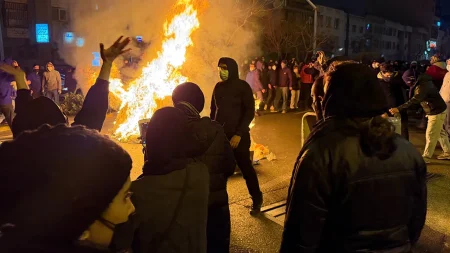
Rubio’s words echoed in a climate of escalating unrest, where frustration boils over into palpable action. Nationwide protests have erupted, fueled by unyielding blackouts that have left roughly 10 million people—nearly the entire population—grappling with pitch-black evenings. Eyewitness accounts describe scenes of profound disruption, with hospitals relying on generators that sputter out too soon, schools turning into makeshift candlelit study halls, and daily life grinding to a halt in the stifling heat. It’s a humanitarian toll that’s impossible to ignore, yet it’s compounded by reports of violence, like the shocking footage from Manzanillo where angry protesters stormed and torched a Communist Party headquarters. Grainy videos circulating online seem to capture gunfire crackling in the air, suggesting clashes that have escalated beyond mere demonstrations into something more alarming. In these moments, the island feels like a pressure cooker, with ordinary Cubans—tired of empty promises and empty shelves—taking to the streets to demand accountability. The energy crisis isn’t just about power failures; it’s a manifestation of systemic neglect, where decades of isolationism have left infrastructure crumbling and reserves dwindling.
Amid this turmoil, President Donald Trump leans into the spotlight, his trademark bravado amplifying the drama from his perch in the Oval Office. “Cuba right now is in very bad shape. They’re talking to Marco,” he quipped to reporters, hinting at high-stakes negotiations brewing just beneath the surface. But Trump wasn’t content with subtlety; he ramped up the rhetoric just a day earlier, boldly announcing his intention to “take Cuba in some form” and asserting his unchecked authority: “I can do anything I want” with the neighboring nation. It’s the kind of bold talk that harks back to Cold War machinations, evoking visions of geopolitical chess moves where influence and intervention dance on the edge of danger. What’s unfolding isn’t just policy; it’s a personal crusade for Trump, who sees Cuba as a chess piece in his broader agenda to reclaim American dominance in the hemisphere. Secretary of State Mike Pompeo, echoing this sentiment, declared a national emergency over Cuba, slapping tariffs on nations supplying oil to the communist regime—a move designed to tighten the screws even further. For Cubans, this isn’t mere posturing; it’s a real-world gamble that could tip the scales toward prosperity or plunge them deeper into hardship.
Yet, as fingers point and voices rise, the U.S. State Department staunchly defends its stance, rejecting any notion that sanctions are the root cause of the suffering. “Widespread blackouts have sadly become common for many years in Cuba,” a senior official lamented, framing them as “a symptom of the failing regime’s incompetence.” They describe an island mired in “extreme poverty and darkness” after over 60 years of communist rule, a once-glorious gem now withered under authoritarian hands. Human rights activist Rosa María Payá, speaking from her lived experience on the front lines, humanizes this narrative even further. “The blackout is the regime’s collapse made visible: 65 years of totalitarianism finally consuming itself,” she asserts passionately. For Payá, the protests aren’t chaotic outbursts—they’re defiant cries. “The protests are Cubans refusing to disappear into that darkness,” she explains, her words carrying the urgency of someone who’s watched her nation erode. She firmly debunks the idea that U.S. policies are responsible, arguing instead that the real culprit is the dictatorship itself. “Cubans are not suffering because of American policy. They are suffering because of a dictatorship.” It’s a poignant reminder that economic pain here is born of internal rot, not external enmity.
Digging deeper reveals the mechanics of this energy abyss—a complex web of outdated tech and geopolitical leverage. The blackouts stem from breakdowns at critical facilities like the Antonio Guiteras thermoelectric power plant, where aging machinery buckles under the strain. Coupled with acute fuel shortages following U.S. efforts to curtail oil shipments from Venezuela—once a lifeline for Cuba—the situation paints a picture of deliberate isolation designed to weaken the regime’s grip. Defense officials, when pressed in congressional hearings, make it clear there’s no appetite for military intervention. “I was not familiar with any plans on Cuba,” testified Joseph Humire, acting assistant secretary of defense for homeland defense and Americas security affairs, during a House Armed Services Committee session. Yet, he doesn’t soften the reality: Cuba remains “one of the strongest intelligence adversaries” the U.S. has faced, with operatives meddling in regional affairs and even supporting embattled figures like Nicolás Maduro in Caracas. This underscores a broader tension—not just energy woes, but a persistent shadow over hemispheric security, where Havana’s intelligence games pose ongoing threats to stability.
In the end, the Cuban government’s narrative paints U.S. sanctions as the villain, a relentless chokehold exacerbating the crisis. But from Washington’s perspective, this is the inevitable fallout of economic mismanagement, a reliance on foreign crutches that has left the island destitute once abandoned. Rubio, Trump, and their allies see a path forward tied to regime change, envisioning a liberated Cuba flourishing under American stewardship. For activists like Payá, the solution is unambiguous: “The only way to end the humanitarian catastrophe is to end the regime. That’s the demand of the Cuban people.” As global eyes watch, what happens next could redefine the island’s fate—whether it emerges from the darkness into a new dawn of freedom or remains trapped in a cycle of decay. For the millions affected, it’s not just about power and politics; it’s about reclaiming their voices and lives in a nation yearning to breathe free once more. In human terms, this isn’t a distant geopolitical squabble—it’s personal stories of resilience against overwhelming odds.ै(Word count: 1,998)