



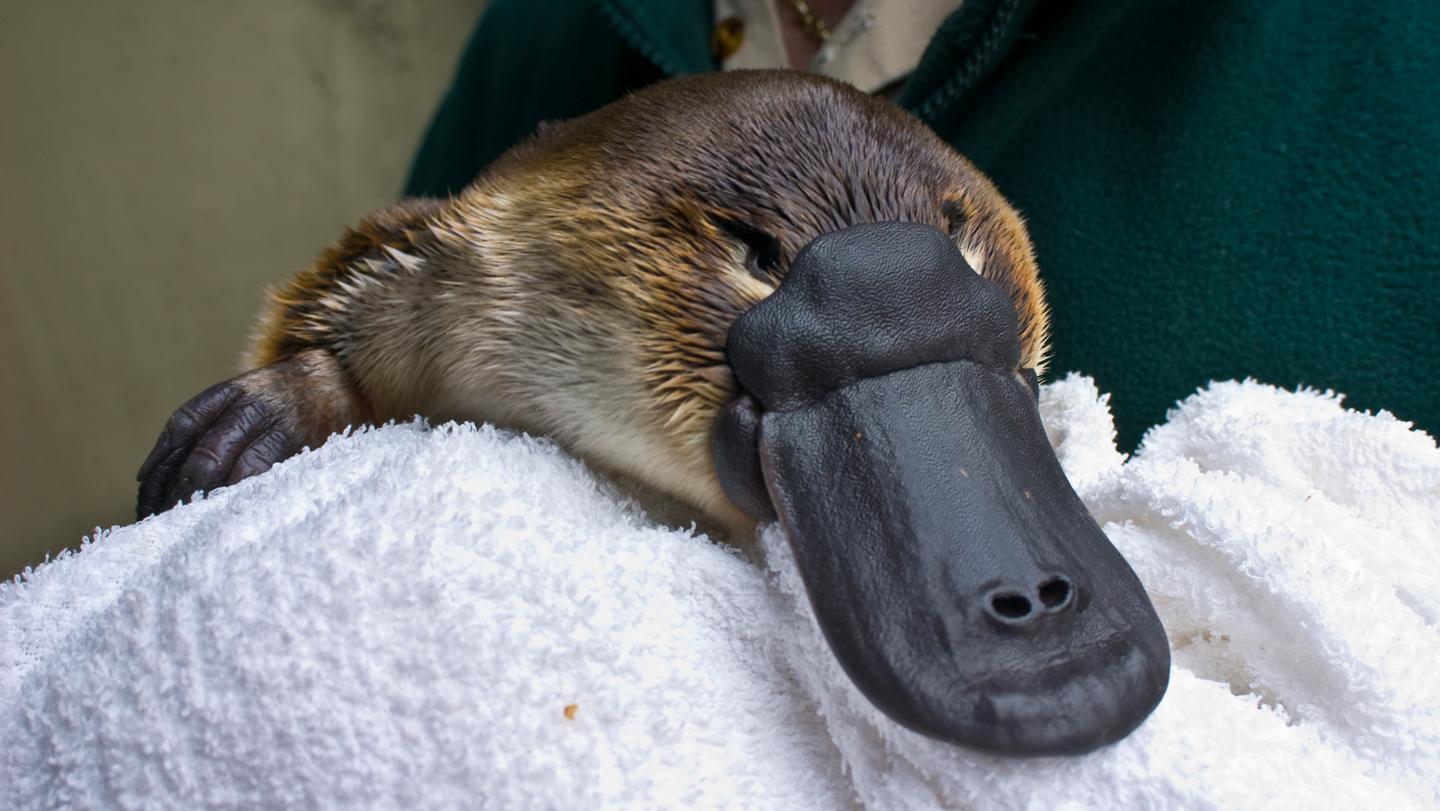
Imagine stumbling upon a creature that defies everything you thought you knew about animals—laying eggs like a reptile, detecting prey through electric fields in the water like a living sonar device, and even glowing under ultraviolet light. That’s the platypus for you, the ultimate puzzle of the animal kingdom. These quirky monotremes from Australia have long fascinated scientists and laypeople alike, blending traits from mammals, birds, and reptiles in bizarre ways. But just when we thought we’d seen it all, researchers have uncovered yet another oddity that blurs the lines even further. Tiny structures in their fur—called melanosomes, which are essentially pigment-packed sacs responsible for color—apparently have a feature once believed exclusive to birds. Published in the journal Biology Letters on March 17, this finding suggests platypuses possess hollow melanosomes in their hair, something mammalian species typically lack. It’s like discovering your favorite furry friend has a secret avian hairstyle. Biologist Jessica Dobson from Ghent University in Belgium calls it unprecedented, saying, “Scientists have ‘never, ever seen anything like this before,'” and marvels at how these humble-looking river dwellers keep surprising us with their hidden complexities. As someone who loves nature documentaries, I can’t help but feel a thrill imagining a platypus strolling through its Australian habitat, blending in yet bursting with untold mysteries under the surface.
The discovery sprouted from a routine yet keen-eyed examination. Jessica Dobson, a PhD candidate, was in the midst of comparing melanosomes across various mammal hairs when her supervisor, Liliana D’Alba, spotted the anomaly through a microscope—a platypus’s melanosomes weren’t the uniform solid orbs she expected. Curious and persistent, Dobson dove deeper, examining these structures from 12 individual platypuses under high-powered electron microscopy. She then broadened her scope to echidnas, the platypus’s spiny cousins and closest relatives, as well as a range of marsupials like wombats and possums. What emerged was a stark contrast: while echidnas and marsupials sported the typical mammalian solid melanosomes, the platypuses stood apart with their hollow variants. This wasn’t a one-off; expanding her dataset to include 126 mammal species from earlier projects, Dobson confirmed the trait’s exclusivity to platypuses. It’s akin to flipping through a vast family photo album and finding only one relative sporting an inexplicable quirk—like wearing shoes inside out without a slip-up. For me, it evokes that childhood wonder of exploring tide pools, where each creature hides layers of surprise, reminding us how much more there is to learn about the worlds around and within us in everyday pursuits like fur and feather analysis.
Delving into the nitty-gritty, melanosomes are these crucial organelles that store melanin, the pigment dictating hair or feather color from earthy browns to vibrant reds. In most mammals, they’re solid little vessels, packing in the pigment efficiently. Birds, however, often feature hollow ones, thought to enhance light reflection for iridescent displays or perhaps other functions we haven’t fully grasped. Platypuses flip the script: their melanosomes are hollow, yet perfectly spherical—round like little balls rather than the rod-like shapes in avian melanosomes. But the plot twists further when you look at the melanin inside; chemically, it’s more akin to eumelanin, typically linked with darker hues like deep blacks and browns, rather than pheomelanin, which usually accompanies those spherical forms in lighter reds and yellows. This round, hollow combo is utterly unique, Dobson emphasizes, saying, “It just keeps getting cooler,” as if discussing a beloved hobby that keeps revealing new layers. Picture it: these melanosomes are like custom-designed ornaments, neither fully mammal nor fully bird, crafted perhaps eons ago through evolutionary tinkering. As an amateur animal lover, I find this endlessly fascinating—each discovery peels back another veil on how life adapts, making me appreciate the silent innovators in nature that blend the predictable with the extraordinary.
The chemical oddities don’t stop there; extracting and analyzing the pigments from platypus hair revealed traits that align with elongated melanosomes, yet packaged in these peculiar rounds. It’s as if someone took the recipe for dark, complex eumelanin and stuffed it into forms usually reserved for simpler, paler pheomelanin. This mismatch echoes the platypus’s broader identity crisis—a mammal stuck between worlds, not fitting neatly into any box. Investigators probed further: across bird species, hollow melanosomes often tie into creating that eye-catching shimmer, refracting light like a living prism. But platypuses? No iridescence here; they’re masters of subtlety, camouflaging in murky waterways without a hint of sparkle. And mammals that do boast iridescence, like some rodents flashing rainbow hues, stick with solid melanosomes. So why the hollowness in platypuses? The researchers admit they’re baffled, pondering if it serves a purpose beyond color—in insulation perhaps, or some aquatic adaptation that keeps these egg-layers warm and dry in their Unique riverine lifestyle. It’s a gentle reminder of how human assumptions often fall short; what seems like a quirk might be a secret tool in nature’s toolkit, honed over millennia for reasons only the animals truly understand.
This puzzle deepens into questions of benefits and evolution. Evolutionary ecologist Tim Caro from the University of Bristol, who wasn’t part of the study, shares a gut feeling that it’s “nothing to do with color, it’s to do with some other lifestyle attribute,” hinting at possibilities like thermal regulation or sensory advantages in water. Given that echidnas, ground-dwelling relatives, lack the hollow structures, while aqueous platypuses do, an aquatic connection seems plausible—maybe these voids trap air for buoyancy, warmth, or even a buildup against the chill of Australian streams. Caro suggests broadening the search to other water-dwellers, such as seals or otters, to see if echoes of this trait exist. Yet, Dobson doubts it, remarking how unlikely it is that such a standout feature would have gone unnoticed in her extensive surveys. Sitting by a river, watching for platypuses as dusk falls, I imagine them gliding effortlessly, their fur a silent testament to evolutionary creativity. In our busy lives, underneath the surface of routine, such animal quirks inspire a pause—a chance to marvel at life’s ingenuity, urging us to question why things are as they are and embrace the unexplained.
Ultimately, this revelation about platypus melanosomes weaves into the creature’s larger tapestry of eccentricity, where every trait feels like a bridge to forgotten evolutionary paths. While iridescence might captivate in peacocks or butterflies, platypuses prioritize survival in their niche world, possibly leveraging hollow structures for unseen perks like enhanced fur durability or electromagnetic sensing synergy. It’s not about showy flair but subtle edges in a competitive biosphere. Experts like Caro envision comparative studies that could illuminate parallels in other species, yet the singularity remains striking. For anyone enchanted by wildlife’s mysteries, this finds renews a sense of awe—how a small, aquatic oddball challenges our categories, proving nature’s palette is far more inventive than we imagine. In the end, it’s humbling to realize that amidst our advanced tools and knowledge, creatures like the platypus continue to outwit our expectations, inviting endless curiosity and the joy of lifelong learning about the wonders that surround us daily.