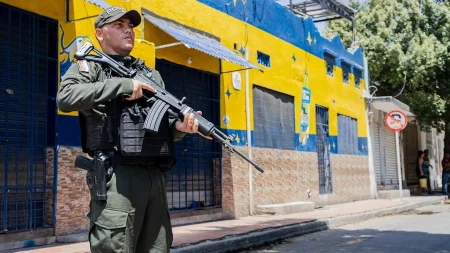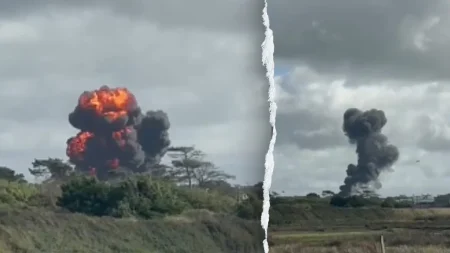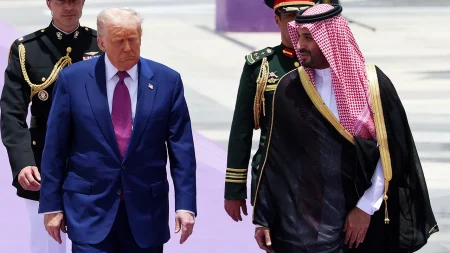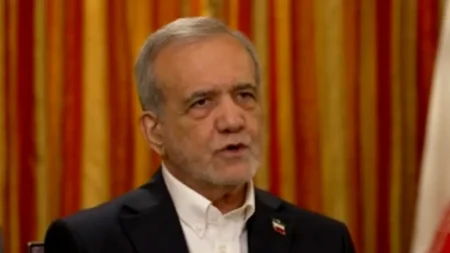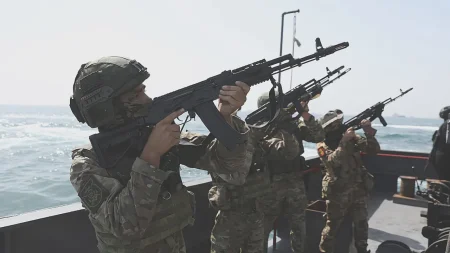



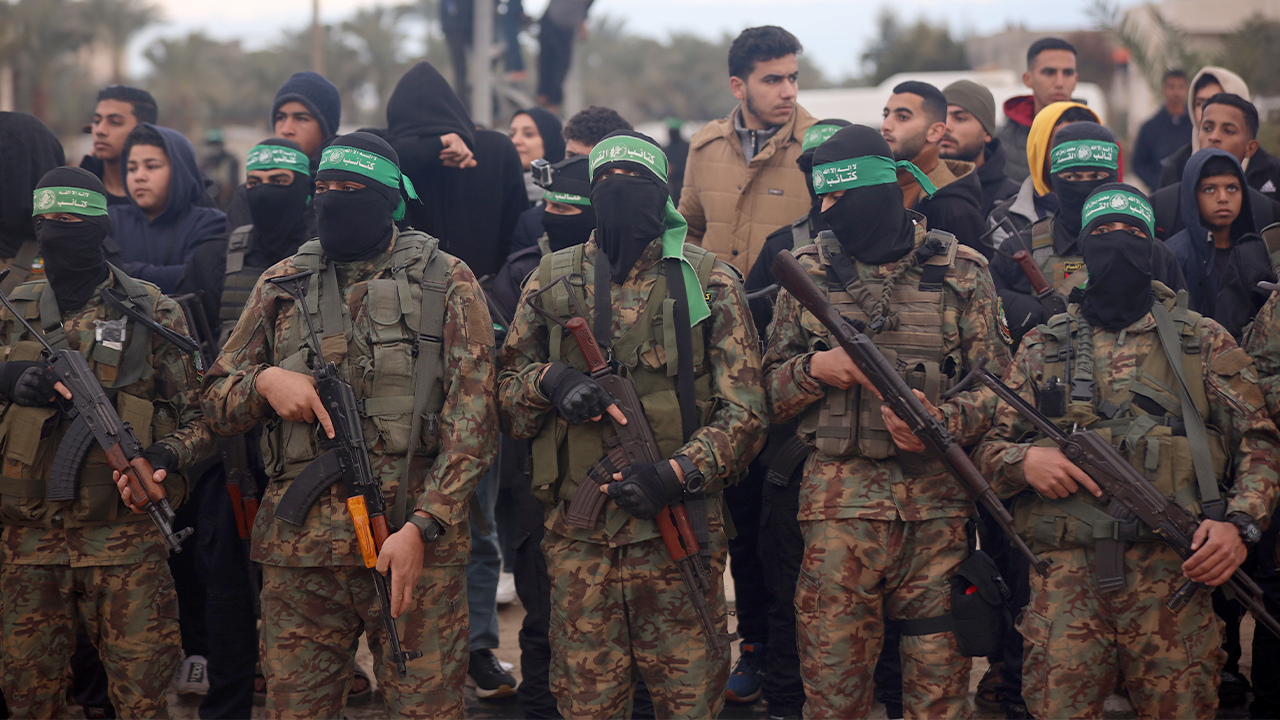
As the shadow of war with Iran looms over the Middle East, casting a pallor of uncertainty across the region, life in Gaza unfolds in ways that are both profound and unsettling. For the people living there—families trying to scrape by amid the ruins, children playing in the remnants of once-bustling streets—the daily grind has morphed into something almost eerily routine under the watchful eye of Hamas. Videos and photos shared on social media paint a stark picture: armed men patrolling markets during Ramadan, processions in central Gaza that blend ceremony with implicit threat, and a palpable sense of authority rebuilding from the ashes. It’s not just military maneuvers; it’s a reclamation of public life, where the group’s influence seeps into groceries, marketplaces, even the calls to prayer in mosques. Residents whisper about new recruits lining up, eager or coerced, drawn into a web that promises stability but at a cost. This isn’t abstraction—it’s the lived reality for millions confined to a strip of land, where every victory or setback reverberates through homes and hearts. Analysts like Michael Milshtein, a seasoned observer from Tel Aviv University, see this as more than tactical recovery; it’s Hamas asserting dominance, reminding everyone that in Gaza, power doesn’t disappear with conflict but simmers beneath. For ordinary Gazans juggling hope with hardship—balancing jobs, if they have them, or rationing meals—these developments evoke a mix of resigned pragmatism and quiet dread. How do you resume normalcy when your rulers are recalibrating control right under the world’s diverted gaze? As the Iran war draws headlines and resources away, Gaza’s struggle feels secondary, yet intimately tied to broader currents of geopolitics. In homes where elders recount past wars and younger generations dream of education beyond destruction, there’s a human cost to this political dance—a lingering question of whether peace, even postwar, can truly break the cycle.
Michael Milshtein, delving deeper into the scene, describes Hamas’s resurgence as a masterclass in adaptation, turning the lull in attention into fertile ground for regrowth. Far from mere hiding, the group has mobilized visibly and effectively, projecting strength in ways that touch everyday lives. Imagine recruitment drives where young men, perhaps inspired by tales of resistance or pressured by circumstance, sign up not just as fighters but as symbols of enduring purpose. Parades in Gaza’s heart echo with chants that stir cultural pride yet hint at enforced loyalty, attended by civilians who watch from sidewalks, some cheering, others silently calculating risks to their families. Milshtein points to policing efforts that go beyond security—officers enforcing rules in souks, checking stalls for compliance, even intervening in disputes that play out like community theater under duress. Tax collection, once haphazard, now flows more smoothly under their oversight, funding not just weapons but the machinery of control: schools reopening with revised curricula that emphasize resistance, health clinics prioritizing the group’s network. During Ramadan, the sacred month of fasting and reflection, Hamas’s presence amplifies—personnel guiding prayers in mosques, ensuring markets align with their vision, fostering a sense of shared destiny among the populace. For Gazans interacting with this authority, it’s a blend of relief and resentment; a widow might appreciate order in food distribution, while a shopkeeper grumbles under new levies. Milshtein insists that this isn’t temporary—Hamas is planting roots “to stay,” a phrase that resonates with real people whose futures hinge on such declarations. Drawing from eyewitness accounts and Israeli intelligence, he highlights how the group rebuilds tunnels and stockpiles under cover of regional distraction, blending military rehab with governance that mirrors a shadow state. This humanizes the conflict: behind the acronyms and strategies are fathers arming sons, mothers navigating curfews, all tethered to a narrative of survival against odds.
Echoing this sentiment, Gazan analyst Mkhaimar Abusada offers a voice from within the enclave, where the Iran war’s escalation has frozen ambitions like a sudden frost. Before the region’s focus shifted, there was momentum—buzz around the Board of Peace, collaborations in technical committees, talks of stabilization forces that promised fresh starts. Abusada recalls “moving in the right direction,” with Palestinians hopeful for disarmament paths, political autonomy, and international oversight to buffer against Israeli incursions. But now, with Iran’s threats dominating news cycles, those dialogues have stalled, leaving Gaza on the margins of global attention, much like a child forgotten in a busy household. He speaks from lived experience, having navigated Gaza’s complexities firsthand, where friends and family share frustrations over paused planning. “Everything has been put on hold,” he laments, the words carrying the weight of deferred dreams—education deferred for kids, economic boosts sidelined, lives lingering in limbo. Hamas, seizing the vacuum, operates with reduced scrutiny, rebuilding without the relentless pressure of prewar scrutiny. Abusada humanizes this through anecdotes: relatives who once whispered excitedly about UN involvement now shrug, settling back into routines where Hamas’s taxation feels inevitable, a small but constant drain on meager incomes. Palestinians cope through resilience—prioritizing familial bonds, communal prayers during Ramadan, finding solace in shared meals despite uncertainties. Yet, beneath this grit lies doubt: will postwar plans ever ignite again, or will the Iran distraction morph into a permanent detour? For Abusada, it’s not just policy; it’s personal, a reminder that in Gaza, the human spirit endures even as hopes are indefinitely postponed.
The analysts unison on a key dynamic: with Iran’s war siphoning away pressure, Hamas has widened its latitude, evolving from survivor to sovereign in Gaza’s fractured landscape. Before the escalation, discussions buzzed with intensity—serious talks on disarmament, where even Hamas leaders entertained notions of compromise amid international mediators. There were whispers of Netanyahu being swayed by global allies, possibly conceding to Gaza’s needs under mounting accountability. But now, enthusiasm wanes, relegating Gaza to the “back burner,” a term that captures the exhaustion of waiting for attention to return. Milshtein recounts conversations with Palestinians who say, “We’re already waiting for the day after the war,” their voices tinged with a mix of optimism and skepticism. They speculate that Trump’s influence might compel Netanyahu toward concessions, envisioning a leader “indebted” and thus more amenable. Yet, this humanizes geopolitics into intimate reckonings—families huddled around radios, debating futures over tea, weighing if American dictates could finally usher change. Abusada notes the loss of focus on critical elements like sovereignty and economic revival, stories from Gazans reflecting a populace adapting through underground economies or smuggled hopes. Social media clips show ordinary scenes—vendors hawking goods under lax oversight, kids scampering near new postings of Hamas directives—underscoring how reduced scrutiny allows the group to flourish unchecked. It’s a tale of diversion’s toll: while missiles fly elsewhere, Gaza’s progress halts, its people grappling with the psychological whiplash of deferred peace proposals.
At the crux of these narratives lies the enigmatic role of an envisioned international stabilization force, a concept both promising and perilous for Gaza’s inhabitants. Abusada suggests Hamas might not recoil from such troops, viewing them as protectors against Israeli overreach rather than adversaries intent on disarmament. In a twist, countries like Indonesia could deploy soldiers, their presence seeming benign, almost neutral—a peacekeeping veneer that softens the intrusion. For residents, this sparks cautious curiosity: would these uniforms bring aid, halt bombardments, or just complicate the maze of allegiances? Milshtein draws parallels to Lebanon, where Hezbollah comfortably coexists with UNIFIL patrols, neither chasing tunnels nor seizing arms but maintaining a fragile détente. He relays Hamas’s reported stance: “It will be like UNIFIL—protect us from Israel.” Humanizing this, imagine Gazan parents envisioning safer schools under such a force, children freed from night-time worries, families stitching back normalcy. Yet, skepticism lingers; videos show Hamas parading assuredly, their leaders perhaps gaming the setup to their advantage without relinquishing power. Abusada ties this to post-Iran outcomes—if Tehran endures, Hamas gains demoral boost, emboldening their hold. Palestinians share stories of resilience, like crafting makeshift schools or bartering for essentials, all while monitoring international signals for potential shifts. This force isn’t abstract; it’s a potential lifeline, debated in circles where hope clings to the idea of playing guardian angels against intrusion.
Ultimately, the Iran war’s denouement could redefine Gaza’s destiny, with implications rippling through its people like aftershocks. If Iran withstands the storm without collapse, Hamas might draw visceral encouragement, seeing ideological survival as a blueprint for their own protracted endurance. Abusada posits this “moral support” as a game-changer, sustaining motivation in a populace weary of conflict. For individuals, it’s personal—youth wondering if resistance tales endure indefinitely, elders fearing endless cycles of loss. Speculations swirl: a weakened Netanyahu, swayed by Trump, might pivot on Gaza, indebted by wartime alliances. Palestinians envision scenarios where an international force enters not as conquerors but as arbiters, restraining escalations. Yet, hidden beneath optimism is Milshtein’s warning: Hamas thrives here, entrenched, their governance a lived testament. Humanizing this future means contemplating Gazans’ dreams—families reuniting across divides, economies flourishing unbound by tunnel rites, children laughing in mosques.metric without fear. Social media vitals pulse with narratives of hope tempered by reality, where every parade or patrol reinforces that change, if it comes, must reckon with deep roots. In this complex tapestry, Gaza’s inhabitants persist, their stories interwoven with regional dramas, yearning for a peace that outlasts distractions and assertions alike. As the war rages onward, their resilience shines, a reminder that amidst power plays, human aspirations seek quiet, enduring light.