


The Thrill of Competition Meets Heroic Inspiration
Imagine the electric buzz of a baseball stadium under the lights, where grown men cry, strangers high-five, and the world forgets its troubles for a moment. That’s the magic of the World Baseball Classic (WBC), a global tournament that pits national pride against raw athletic talent every few years. In 2023, Team USA emerged as a powerhouse, battling through intense matches against formidable foes. Their journey was a rollercoaster of triumph and tension, filled with the kind of drama that keeps fans glued to their screens. Picture the players, young stars like Paul Skenes, who signed up not just for the glory but for a deeper purpose. Skenes, with his wide-eyed enthusiasm, once told manager Mark DeRosa that wearing “USA” across his chest meant honoring every service member protecting our freedoms. In the team’s locker room, amidst the scent of sweat and victory, that sentiment rang true. The U.S. squad wasn’t just chasing a title; they were carrying the weight of a nation on their shoulders. DeRosa, a seasoned coach with a heart for inspiration, understood this intuitively. He wanted the team to connect their high-stakes games to the real heroes safeguarding their way of life. As the team prepared for showdowns against Canada and the Dominican Republic, the mood was a mix of excitement and reverence. Players swapped stories of childhood dreams turning into reality, while coaches hammered home the lessons of perseverance. It was more than baseball; it was a living tapestry of American resilience. Fans back home followed every pitch, feeling a surge of collective hope. Yet, beneath the surface, DeRosa saw vulnerability in his players—the fear of failure, the pressure of expectation. He believed a spark of inspiration could transform that doubt into unyielding strength. That’s when he decided to invite someone who embodied bravery on a whole other level: Robert J. O’Neill, the Navy SEAL credited with ending Osama bin Laden’s reign of terror.
O’Neill’s life story is the stuff of legend, but he’s a man of flesh and blood, grappling with the shadows of his past. Born in Butte, Montana, this unassuming American grew up dreaming of adventure, much like the baseball players chasing home runs. He enlisted in the Navy, driven by a patriotic fire that burned bright from his youth. Boot camp was grueling, pushing him to his physical and mental limits, but it forged the warrior he became. Fast-forward to the harrowing Operation Neptune Spear in 2011, where O’Neill faced the ultimate test in Pakistan’s rugged terrain. In a high-stakes raid on bin Laden’s compound, he made the pivotal shot that ended the terrorist leader’s life. The world celebrated, but for O’Neill, it was a moment etched in both triumph and trauma. Returning home, he wrestled with post-traumatic stress, loneliness, and the heavy crown of being “the guy who got bin Laden.” He’s spoken openly about the toll—sleepless nights, strained relationships, the invisible scars that heroes carry. Yet, O’Neill turned his experiences into a force for good, sharing his story to inspire others. As a motivational speaker, he connects with crowds, blending humor and humility to remind people of sacrifice. When DeRosa reached out, O’Neill saw an opportunity to bridge worlds—combat and sport, death-defying missions and diamond dominance. Arriving in the locker room, not as a celebrity, but as a fellow American, he must have felt the raw energy of young men on the cusp of greatness. His presence wasn’t about glory; it was about reminding the players that true courage shines in the face of adversity. Skenes and his teammates listened intently, perhaps seeing reflections of their own grind—the endless practices, the missed families, the unyielding pursuit of perfection. O’Neill’s humanity shone through; he spoke not from a pedestal, but as someone who’s stared death in the eye and chosen life.
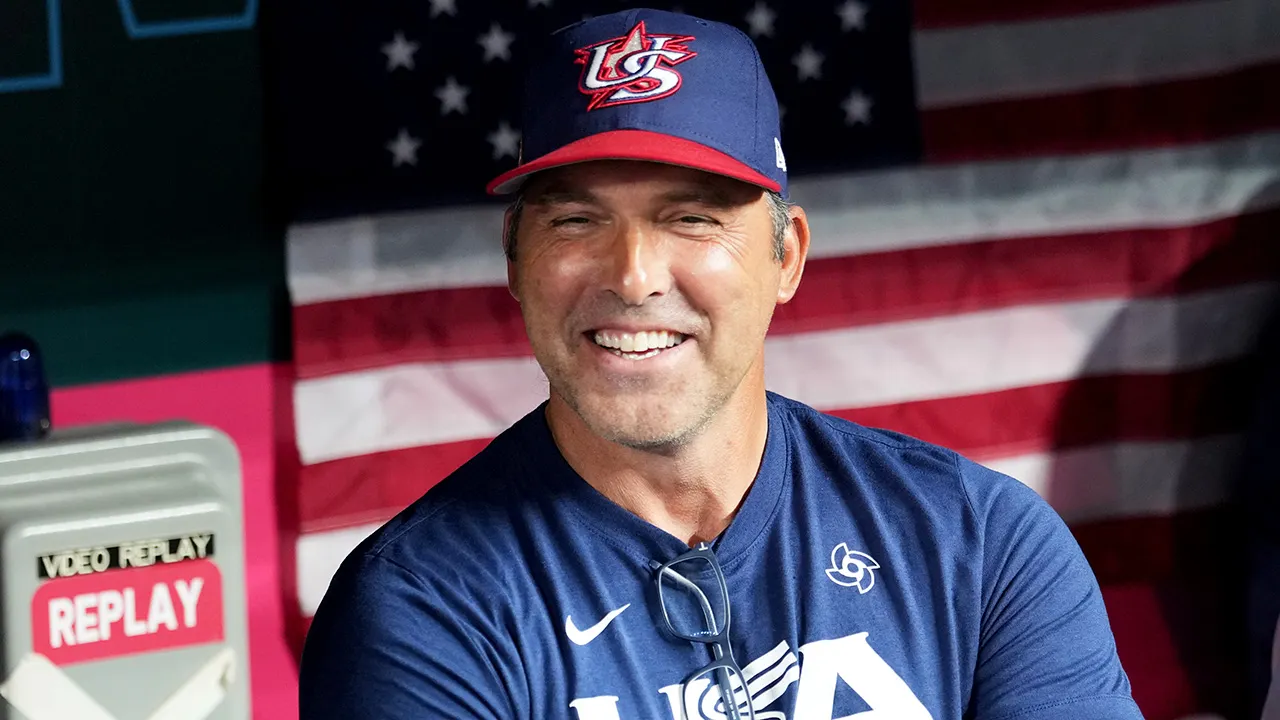
DeRosa, with his strategic mind and empathetic soul, crafted this moment with intention. The coach, who himself played 16 seasons in the majors, knows baseball’s visceral pull—the crack of the bat, the roar of the crowd, the brotherhood of the clubhouse. Born in Chicago, DeRosa’s path was paved with dreams of playing in the Big Leagues, a journey marked by ups and downs, injuries that threatened his career, and triumphs that restored his faith. He retired in 2013 and stepped into coaching, but his heart remained tied to the game’s spirit. For the WBC, he assembled Team USA from the brightest talents, fostering a culture of unity. When Skenes voiced his “why,” DeRosa recognized it as a rallying cry. Inviting O’Neill wasn’t impulsive; it was a deliberate pivot to ground the team. He shared with reporters like those at Defector that the timing wasn’t before the Canada game, contrary to rumors, but earlier in Houston. DeRosa explained, “I just thought it would be like a time to kind of redirect and get those guys to understand that, although this is an unbelievable event and you get a chance to share a locker room with the game’s greats, there’s a reason why you’re doing it.” He wanted to honor the silent protectors—soldiers, firefighters, police—who enable everyday heroes like athletes to thrive. In his words, it was about never losing sight of the “why” amid the spectacle. Picture DeRosa pacing the room, eyes shining with conviction, reminding his players that their cleats were more than footwear; they were symbols of freedom. O’Neill’s talk likely wove in tales of his SEAL days—grueling training, life-or-death decisions—focusing on teamwork, resilience, and sacrifice. The players hung on every word, feeling a renewed purpose. DeRosa’s decision humanized the military’s role, making abstract patriotism tangible, turning the locker room into a sanctuary of shared humanity.
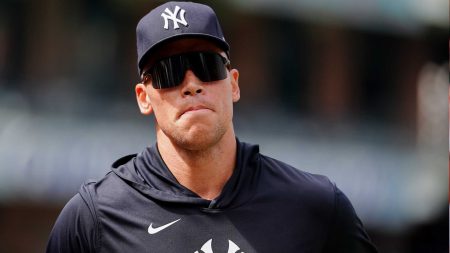
Naturally, not everyone saw it that way. Social media erupted like a thunderstorm, with opinions flying faster than pitches. Critics lambasted DeRosa for politicizing sports, questioning why a Navy SEAL involved in bin Laden’s death would speak to baseball players. Tweets and posts accused the team of glorifying violence, with some users drawing parallels to controversial figures or political divides. On platforms like Twitter (now X), hashtags like #BoycottWBC trended, while others defended the choice, praising the linkage of athletics to national service. In a world where politics spills into everything, from coffee shop chats to sporting events, this backlash highlighted America’s deep divisions. DeRosa addressed it head-on, staying true to his vision. The team faced external noise, but internally, it forced introspection. Players like Mookie Betts and Aaron Judge, seasoned veterans, likely moderated discussions, balancing criticism with the night’s goals. O’Neill, accustomed to scrutiny since his role went public in 2013, handled it with grace, emphasizing his message of unity. For the athletes, it was a microcosm of life under the spotlight—the constant judgment, the need to rise above. Yet, in that tension, bonds strengthened; the team rallied not against detractors but for their shared purpose. Fans at home debated passionately, some alienated, others inspired, reflecting society’s fractured soul. Amid the uproar, DeRosa’s stance underscored that inspiration often comes with controversy, but genuine leadership endures.
The impact rippled positively beyond the headlines. Before the Dominican Republic game, another hero stepped in: Jack Hughes, the NHL sensation who clinched Olympic gold against Canada with a dazzling goal. A kid from Michigan, Hughes epitomizes the American dream—rising from youth hockey rinks to international stardom. He reached out to Team USA’s players, his words a cross-sport pep talk, bridging baseball and ice hockey. Hughes, with his boyish charm and killer slapshot, shared how the Olympic victory fueled his fire, telling the ballplayers to channel that energy into their swings. It was a moment of camaraderie, reminding everyone that heroism transcends playgrounds and uniforms. The team devoured the advice, feeling a swell of nationwide support. Combined with O’Neill’s earlier session, the locker room buzzed with renewed vigor. Against the Dominican Republic, the U.S. unleashed a powerhouse performance, clinching victory and advancing to the finals. Players recounted how those talkshumanized their struggles, turning abstract freedoms into personal drives. Skenes, hitting homers with precision, credited the inspiration for his focus. DeRosa’s calculated risks paid off, proving that human connection triumphs over division. As the tournament progressed, fans saw not just athletes, but stories of resilience—O’Neill’s trials, Hughes’s triumphs, and the baseballers’ grind—intertwined in a narrative of unity. Social media, once stormy, saw pockets of praise, with voices echoing the need for more such bridges in sports.
In the end, Team USA’s WBC run was a triumph of spirit, where heroes from diverse realms united to uplift athletes. They weathered controversies, emerged stronger, and fan-fave odds now peg them as heavy favorites for 2026. DeRosa’s choice to invite O’Neill wasn’t just strategic; it was profoundly human, reminding us all that true leaders weave stories of sacrifice into everyday endeavors. Fox News, with contributors like Jackson Thompson, amplified these tales, inviting listeners to engage via their new audio feature. As the world watched, players like Skenes carried forward the “why”—honoring protectors so we can all live freely, play boldly, and dream big. In a polarized era, such moments offer hope, proving that inspiration can mend divides one conversation at a time. Imagine the legacy: not just a trophy, but a nation reconnected through heroes on and off the field. For O’Neill, Hughes, and the baseball greats, it’s a testament to America’s enduring heartbeat—unbreakable, united, unmistakably human.