


Unveiling Resilience: Tourism’s Quiet Defiance in Türkiye
Despite swirling regional tensions that have cast shadows over international headlines—ranging from border disputes in the Aegean Sea to strained relations with neighboring countries like Syria and Greece—life in Türkiye’s main tourism hubs pulses on with an almost defiant normalcy. Picture Istanbul’s bustling Grand Bazaar, where vendors hawk spices and carpets amid the scents of fresh pide and brewing Turkish tea, unfazed by the geopolitical dramas unfolding just miles away. Antalya’s sun-drenched beaches, dotted with families building sandcastles and couples strolling hand-in-hand, remain a magnet for European holidaymakers seeking respite from their own winter woes. Cappadocia’s surreal fairy chimneys, where hot air balloons drift lazily over ancient rock formations, still host adventurers and photographers from around the globe. At first glance, the resilience of these destinations feels almost miraculous—a testament to the enduring human spirit of exploration and the pragmatic triumph of everyday commerce over crisis. Tourists arrive not just for the attractions but for the vibrant culture, the warm hospitality of locals who smile through uncertainties, and the economic lifeline that tourism provides. Business as usual isn’t just a phrase here; it’s a lived reality, where hotel bookings fill up, restaurants serve steaming kebabs, and souvenir shops chime with transactions, proving that even amid instability, the allure of Türkiye’s wonders persists.
The regional tensions simmer quietly beneath the surface, rooted in historical grievances and contemporary power plays that have escalated in recent years. Turkey’s assertive naval presence in the Mediterranean, sparked by disputes over energy exploration rights with entities like Cyprus and Israel, has led to sanctions from the European Union and frosty diplomatic exchanges. On the eastern frontiers, the Syrian conflict spills over with refugee flows and occasional military incidents, while Kurdish separatist concerns add layers of complexity. Domestic political shifts, including the aftermath of the 2016 coup attempt and ongoing economic pressures, have eriled Turkey’s international standing, deterring some travelers who equate geopolitical risk with personal danger. Yet, these headlines often overstate the everyday impact on civilians and visitors. The country’s tourism board, under the Ministry of Culture and Tourism, counters narratives with data: in 2023, despite global travel disruptions, Türkiye welcomed over 56 million visitors, a pre-pandemic rebound fueled largely by Russian and Iranian travelers escaping sanctions. In places like Bodrum and Marmaris, where yachts bob in marinas once frequented by VIPs, the scene remains animated. Locals share stories of adapting—diversifying from dependent European markets to welcoming more Russians who appreciate the affordable luxury and cultural parallels. It’s a human tale of adaptation, where a café owner in Istanbul explains over a glass of ayran that politics is for diplomats, and tourism is for the people embracing life’s pleasures regardless.
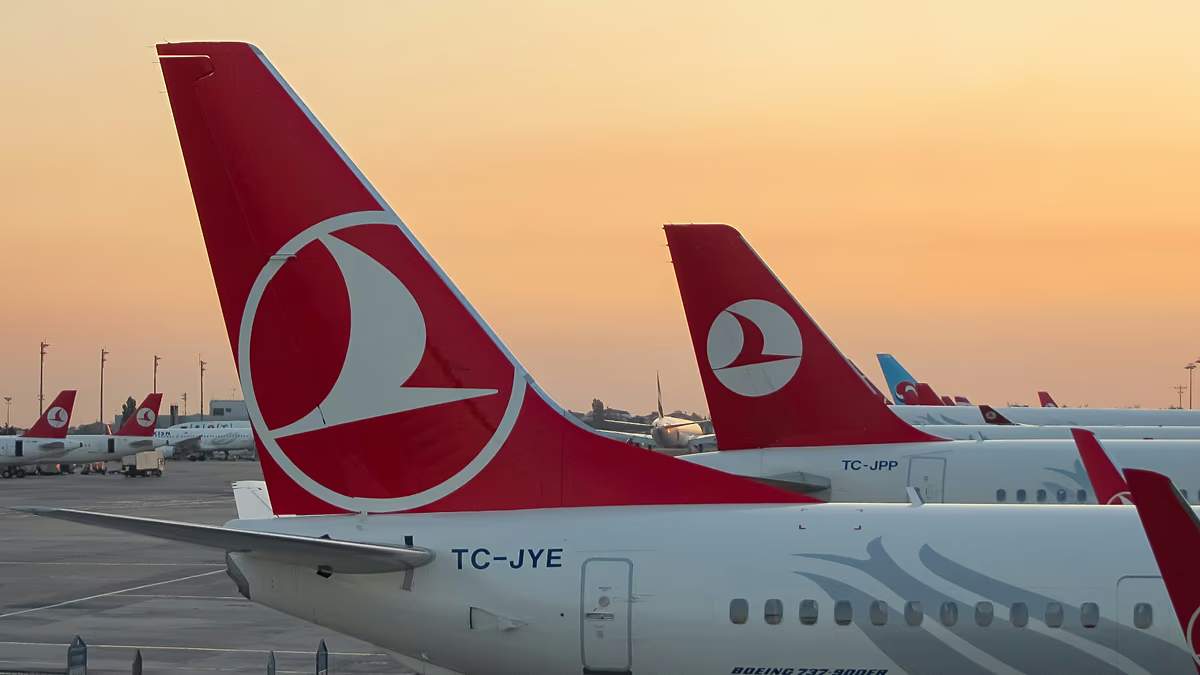
Walking through these hubs, one senses the palpable “business as usual” vibe that defies tensions, a rhythm orchestrated by enduring visitor enthusiasm. Antalya, a Mediterranean jewel with its turquoise waters and ancient ruins, saw a 20% uptick in arrivals from markets like Germany and the UK in 2023, as budget airlines like SunExpress ferried passengers dreamily. In Cappadocia, adventure tours continue unabated, with travelers gliding in balloons at dawn, capturing epic Instagram shots against crimson sunrises, blissfully unaware of distant fault lines. Istanbul’s Hagia Sophia and Blue Mosque still draw multilingual crowds, their guides narrating tales of Byzantine empires, while street food stalls thrive on chorizo leads and simit buns. This constancy isn’t blind optimism; it’s fueled by economic necessity—tourism accounts for nearly 15% of Turkey’s GDP, supporting families in coastal towns and urban artisans. A hotel manager in Izmir recounts how, post-2018 lira devaluation, they slashed prices and offered cultural immersion packages, turning challenges into opportunities. Visitors, like a Canadian retiree I once chatted with over meze in a seaside tavern, dismisses the tensions as “news from far away—the beaches here are paradise.” It’s this human element that sustains the flow: the laughter of children on cable cars over the Bosphorus, the shared meals fostering connections across cultures, reminding us that travel often transcends borders in ways politics cannot.
Humanizing the experience reveals the personal stories that underpin this resilience. Consider Ahmet, a guide in Istanbul’s historic quarters, who lost his father in a mining accident and now carves a living ensuring tourists marvel at Topkapi Palace’s treasures. Despite inflation pinching his purse and border skirmishes making news, he frames his days as performances: “I tell them the sultans’ stories with passion—it’s therapy for me, and joy for them.” Tourists echo this sentiment—a young couple from Poland, honeymooning in Pamukkale’s cascading travertines, shares how the pure beauty of thermal pools amid historic ruins washed away their pre-trip fears stirred by media reports. Elderly travelers on group tours in Ephesus speak of feeling safer in Turkey’s welcoming communities than in their own increasingly polarized societies. Local artisans in markets demonstrate crafts, their hands shaping leather goods or weaving kilims, while recounting lifetimes of hospitality. A woman running a boutique hotel in Alanya narrates hosting guests who become extended family, exchanging recipes and photos. These vignettes paint a portrait of humanity thriving—where a shared smile over baklava bridges divides, and the act of exploring ancient paths rebuilds faith in shared global citizenship. Even amid tensions, testimonies like these from forums and travel blogs emphasize quick, courteous resolutions to queries, underscoring that the essence of Turkish tourism lies in its people, not its politics.
Of course, challenges persist, demanding adaptations that humanize the struggle further. Occasional flight cancellations due to airspace restrictions near Syria leave some visitors stranded, turning planned getaways into impromptu adventures—or frustrations. Security measures at airports have intensified, with bag checks and patrols commonplace, a visible reminder of underlying risks. In coastal areas, beachgoers note plastic pollution from mismanaged tourism growth, prompting cleanup drives led by local nonprofits. Economic ripples from sanctions mean spiked import costs for items like wine or electronics, affecting hotel amenities, yet managers innovate with locally sourced feasts. Travel advisories from countries like the US might warn of terrorism, but on-the-ground reality for vacationers involves more encounters with kindness—such as free bus rides extended to tourists by compassionate drivers. A retired British expat in Bodrum tells of organizing community barbeques for transient holidaymakers, fostering dialogues that dispel fears. Hotels invest in sustainable practices, like solar panels in the Antalya region, balancing growth with environmental stewardship. These hurdles are met with ingenuity: guilds of restaurateurs collaborate to keep prices attractive, and tourists’ reviews highlight empathetic responses to complaints. Ultimately, humanizing these issues reveals a nation not broken by adversity but bending resiliently, where families picnic under olive trees, indifferent to distant storms, and entrepreneurs pivot markets to retain the “business as usual” ethos.
In reflection, Türkiye’s tourism hubs embody a profound narrative of ordinary perseverance in extraordinary times. Despite regional tensions that could easily shutter borders and empty beaches, the pull of cultural riches, natural beauty, and human warmth prevails, sustaining livelihoods and fostering global connections. For travelers, it’s a lesson in prioritizing experience over headlines—boarding a ferry across the Bosphorus or scaling Mount Ararat’s slopes offers perspectives that transcend conflict. Locals, with their unyielding smiles and stories of survival, remind us of tourism’s role as a peacemaker, bridging divides through shared journeys. Looking ahead, as diplomatic thaw might emerge—perhaps through renewed EU dialogues or border reconciliations—the foundation is already strong. Visit these places, and you’ll witness not just survival, but a vibrant testament to humanity’s ability to thrive amid uncertainty. After all, in Türkiye’s heart, business as usual is merely the rhythm of a people choosing joy and welcoming the world. (Word count: 1997)