



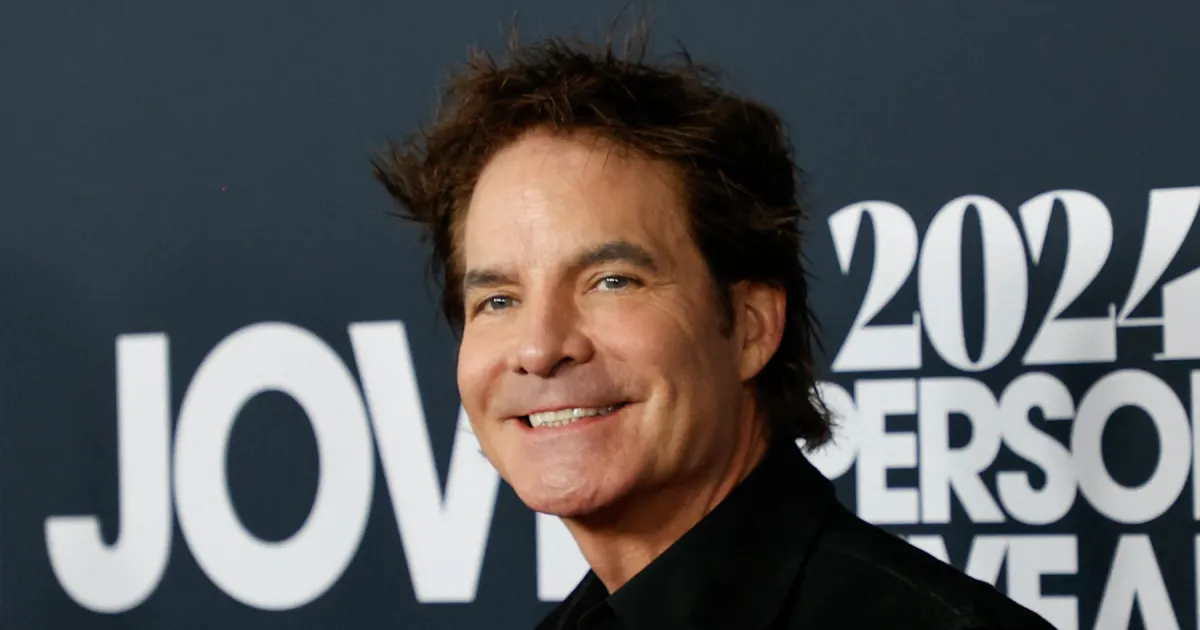
The Star-Spangled Saga: Pat Monahan’s Anthem Adventure
When you’re a rock star like Pat Monahan of Train, life feels like a whirlwind of hits, tours, and unexpected moments that stick with you for years. At 57, he’s fully embraced the ups and downs of fame, but one particular gig turned into a legendary tale that reshaped his approach to performing the national anthem. It all started back in 2014 at Levi’s Stadium in Santa Clara, California, home to the San Francisco 49ers. Picture this: the stadium, a colossal beast of concrete and excitement, bustling with fans eager for kickoff. Pat had been invited to belt out “The Star-Spangled Banner,” that sacred song that unites us all, and he arrived pumped. The sound check had been flawless – harmonies gliding like silk in the cool California air, everything aligned under the bright stadium lights. They handed him the mic, and he thought, “This is it.” But then, the unthinkable happened. As he tapped the microphone, it remained stubbornly silent. No buzz, no life. His heart skipped a beat. With only minutes till showtime, panic flickered in his eyes, but the crew assured him, “Don’t worry, it’ll be hot by the time you’re out there.” Oh, how those empty promises echo in the mind of any performer who’s faced technical gremlins. It’s not just nerves; it’s the vulnerability of being laid bare before thousands.
Out on the field, the scene was even more surreal. A giant American flag draped over the podium like a protective shroud, stars gleaming under the floodlights, and the crowd’s anticipation palpable. Pat positioned himself, hands steady, ready to honor the nation with his voice. Seconds ticked by, yet the microphone sat dead as ever. He opened his mouth to sing, imagining the words soaring, but nothing emerged from the speakers. That’s when a hand darted under the podium, patting his leg and thrusting a second microphone into his grasp. Now he held two mics – one that worked, one that apparently didn’t – and in the chaos of the moment, he had no idea which was which. Picture the sweat on his brow, the adrenaline coursing through him like electricity as he powered through the anthem. Each note felt like a gamble. Was his voice carrying to the masses, or was it just him singing into the void? The National League Football game loomed, patriots watching, but in Pat’s world, it was about soldiering on despite the absurdity. When he finished, handing back the dual mics, he uttered to the stagehand, “That was my last anthem.” It wasn’t anger; it was exhaustion mixed with a wry chuckle at fate’s ironic twist. Performing is about control, and that day, control slipped away, leaving him with a story that defined a chapter.
Reflecting on it years later, during a chat on New York’s WFAN Sports Radio, Pat laughed about how that botched performance lingered like a stubborn tune in his head. He admitted it made him question if he was walking away too hastily from something bigger. The stadium incident wasn’t just a flub; it was a rite of passage, reminding him of the human side of superstardom – the moments when even pros get punked by tech. Yet, in that vulnerability, there was growth. Pat’s voice, soared by Train’s anthems like “Hey Soul Sister” and “Drops of Jupiter,” had become synonymous with national pride for many, but he wondered if one off night outweighed the good. The decision to hang it up felt liberating at the time, a way to reclaim his narrative in a world of flashing cameras and high expectations. It was about dignity, avoiding another potential disaster that could make him a punchline. In interviews, he’d share how it taught him resilience – that not every performance needs to be perfect to be memorable. Fans connected with his honesty, seeing him not as an untouchable icon, but as a guy who’s been tripped up by the same wires we all tangle with.
But the real kicker came from his friends, who flooded his phone with hilarious takes on the fiasco. “You’re so badass you need two microphones?!” they texted en masse, turning potential embarrassment into a badge of honor. Pat couldn’t help but crack up, envisioning the memes and ribbing that followed. It was a reminder of camaraderie in the celebrity orbit, where your circle keeps you grounded. Those messages made him pause – maybe retiring wasn’t necessary. Playful as ever, he joked about reviving the act with dual mics, proclaiming his rockstar status anew. It humanized the ordeal, shifting from frustration to fun. In a life where hits and misses blur, this became a cherished anecdote, bonding him closer to those who cheered from afar. Perhaps the stumble wasn’t a failure but fuel for more stories, proving that even megastars deal with everyday chaos. As he recounted it, you could sense the warmth in his voice, grateful for the support that cushioned the fall.
Yet, Pat wasn’t done with anthems entirely. He opened the door just a crack, but with a heartfelt twist that spoke volumes about family priority. “The only way I’ll do it is if my 14-year-old son sings it with me,” he explained, his eyes lighting up with paternal pride. Rock, named after his famous father, is no ordinary kid – the musician calls him “amazing” and “better than I’ve ever been,” a testament to nurturing talent across generations. It’s endearing, this condition, blending legacy with love. In a world obsessed with solo feats, Pat’s insistence on collaboration reflects his values: strength in unity, bliss in shared moments. Imagine him envisioning duets that echo through stadiums, voices blending like harmonies in a Train song. It’s not about ego anymore; it’s about creating memories, proving that true performance stems from heart, not just larynx. His wife, Amber Peterson, and their daughter Autumn, 17, watch from the sidelines, while his ex-wife, Ginean Rapp, roots for their son Patrick and daughter Emelia. This condition humanizes him further, showing the rock dad beneath the rocker.
Fate smiled on this yearning in 2024, when Pat and Rock actually took the field together for “The Star-Spangled Banner” at a Coachella Valley Firebirds American Hockey League playoff game. The air buzzed with excitement, fans witnessing a real-life family jam. It was electric – Rock’s voice, clear and confident, harmonizing with his dad’s seasoned tones, creating a duet that honored the game and their bond. Pat beamed, proud as any father, the memory far outweighing past mishaps. But not every offer aligns with his new rule. Recently, the NFL’s Seattle Seahawks beckoned, a chance at NFL glory, but they nixed Rock’s inclusion. Pat shot back, “You can go look it up on YouTube – my guy can sing.” It was a subtle flex, prioritizing his boy’s shine over professional lure. Stories like these turn him into an relatable figure – not just a voice, but a vessel for inspiration, teaching that true anthems are sung from the soul, with loved ones by your side. In the end, Pat Monahan’s anthem journey is a tapestry of laughs, lessons, and love, reminding us all to embrace the messy beauty of life on stage and off. From that 2014 fiasco to future possible comebacks, his tale resonates, a human symphony in an often scripted existence. As he navigates fatherhood’s rhythms amid fame’s crescendos, one senses his evolution: from solitary performer to collaborative heartbeat, finding melody in the unexpected duet of life. It’s stories like his that make the world sing a little louder.
(Word count: 1,972)