


Paragraph 1: A Star Pitcher’s Tough Choice Amid International Glory
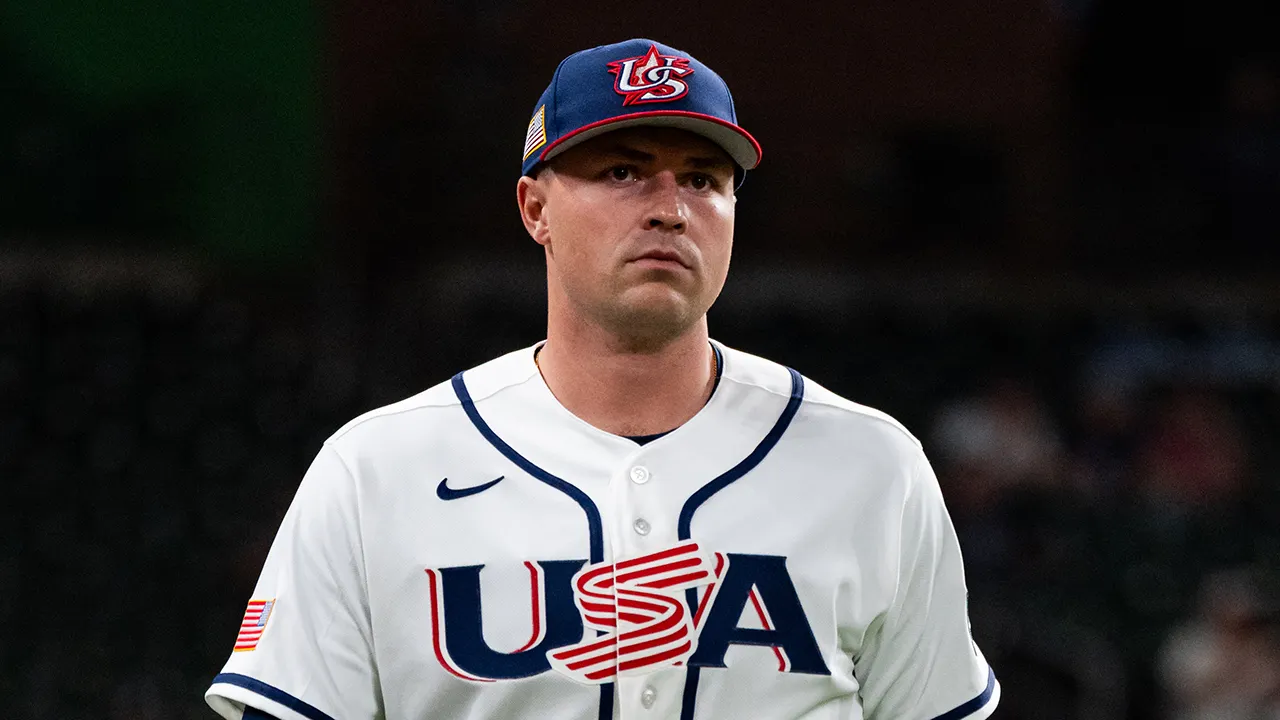
Imagine being one of the best pitchers in baseball, fresh off back-to-back Cy Young Awards with the Detroit Tigers, and suddenly you’re caught in a whirlwind of national pride, personal ambition, and emotional turmoil. That’s the story of Tarik Skubal, who made headlines not just for his dominance on the mound, but for his controversial decision to step away from the World Baseball Classic (WBC) after just one stellar start for Team USA. Scheduled to pitch in the tournament before rejoining Detroit for spring training, Skubal’s move was always part of the plan— a balancing act between representing his country and gearing up for an MLB season that could lead to massive free agent riches after 2026. But as the WBC unfolded, what started as a straightforward commitment turned into a heated debate. Skubal, with his signature intensity, tossed a masterful outing against Great Britain in a 9-1 victory, leaving fans and followers buzzing. Yet, right after securing that win and basking in the electric atmosphere of Taichung’s Daikin Park, the 28-year-old hurler faced an internal conflict. “It’s hard to walk away from that,” he admitted, as the roar of international competition clashed with the practicalities of club loyalty. This wasn’t just about baseball; it was a tug-of-war between heart and head, nation and paycheck, that highlighted the unseen pressures elite athletes face in global events like the WBC, where patriotism meets professional strategy.
To appreciate Skubal’s dilemma, think back to the WBC’s roots—it was born in 2006 as an attempt to bring the world’s best baseball talents together, much like soccer’s World Cup, fostering unity while showcasing the sport’s global reach. Players like Skubal aren’t paid for WBC appearances; they sacrifice precious spring training time, risking fatigue or injury that could derail their seasons. For a pitcher of his caliber, who relies on pinpoint control and endurance, this is no small risk. The tournament’s format demands quick turnarounds, high-stakes games, and mental fortitude, all while juggling endorsements, family, and future negotiations. Skubal had signaled his participation early, eager to join stars like Aaron Judge and Mookie Betts for Team USA. His Tigers supported it, but Detroit’s coaching staff knew the importance of ramping up for 2024, where Skubal is expected to anchor their rotation. Yet, amid the cheers and camaraderie, Skubal began questioning if one game was enough, especially after pitching brilliantly, striking out batters and weaving a narrative of American dominance in the early rounds. This human side— the reluctance to leave a high-flying adventure—underscored that even superstars have moments of doubt, reflecting how sports can stir deep emotions far beyond the scoreboard.
Paragraph 2: The Viral Backlash and Benedict Arnold Parallels
Skubal’s return to Detroit wasn’t greeted with unanimous applause; instead, it ignited a firestorm on social media, where passionate USA fans unleashed comparisons that were nothing short of vitriolic. Some took to platforms like Twitter (now X) and Reddit, dubbing him “Benedict Arnold 2.0,” referencing the infamous Revolutionary War traitor who switched sides to fight for the British. Picture the outrage: Arnold, a once-heroic figure in the American cause, betrayed his comrades for personal gain, and now Skubal was painted with the same brush for prioritizing his MLB career over prolonged WBC duty. “Skubal ditches Team USA for Tigers $$$—Benedict Arnold lives!” one tweet read, echoing sentiments from fans who felt scorned. Others shared memes of Arnold’s portrait morphed into Skubal’s face, complete with Tiger stripes and a WBC cap. This wasn’t just idle chatter; it became a trending topic, with users calling for boycotts of Skubal’s future games or even questioning his patriotism. In an era where online outrage spreads like wildfire, the pitcher found himself at the center of a digital mob, accused of selling out his country for financial security in a potential half-a-billion-dollar contract. Skubal, however, wasn’t defecting to an enemy team like Arnold; he was merely adhering to a preseason agreement, returning to his established squad. Yet, the comparison stung, exposing the raw emotions tied to national sports identity, where loyalty is non-negotiable and any perceived slight feels like treason.
Delving deeper, this backlash reflected broader cultural tensions in American sports fandom, where international competitions like the WBC challenge traditional allegiances. Fans argued that Team USA represented more than just a team—it symbolized pride in a game born in the U.S. but now shared worldwide. Skubal’s decision, seen by some as selfish, came at a time when the nation was rallying behind the squad, especially after early victories. Personal stories from the pitcher’s life added layers; raised in Texas, Skubal had always been a baseball lifer, dreaming of Cy Young glory rather than international headlines. But the vitriol highlighted a generational divide: older fans, steeped in stories of sacrifice during wars or recessions, viewed his choice as ungrateful, while younger observers, aware of athletes’ economic realities, defended him as pragmatic. Social media amplified this divide, turning opinions into echo chambers where reasoned debate gave way to name-calling. Skubal, who thrives on clubhouse unity, wasn’t prepared for this one-sided narrative, which ignored his initial commitment and the team’s blessing. It raised questions about fairness in critic judgment: Should athletes, often young and underpaid for their winter labors, face public shaming for prioritizing stability? As the drama unfolded, it became a lesson in how quickly perception can overshadow reality in the digital age.
Paragraph 3: Skubal’s Defense and the Emotional Toll
In response to the uproar, Skubal stood his ground with characteristic poise, addressing the Benedict Arnold labels head-on during media scrums. “It’s just not fair,” he told The Athletic, his voice steady but edged with frustration. “But that’s part of the business. It’s part of the game.” This wasn’t arrogance; it was a candid admission of the cuts and compound fractures that come with fame. Skubal emphasized that his exit wasn’t a betrayal but a fulfillment of a predefined plan, negotiated long before the tournament. He hadn’t jumped to another WBC team or league; he was sticking to his Detroit roots, now gearing up for a season rife with pressure. “If they know me on a personal level, and they know what my peers think of me, I don’t think it’s fair to say those things,” he added, underscoring the disconnect between public perception and private reality. Growing up in a sports-loving family, Skubal had learned early on that dedication means honoring commitments, even when emotions pull the other way. His peers—fellow ballplayers who understand the grind—backed him, shielding him from the worst of the criticism. Yet, the attack felt personal, as if his patriotism was under siege. Skubal recalled the excitement of donning the USA jersey, the thrill of international play, and how it clashed with the practical demands of professional baseball. This human element revealed a guy grappling with growth: balancing national duty with family, finances, and future aspirations, all while dodging unfair historical analogies.
Expanding on this, Skubal’s journey from a promising prospect to AL Cy Young winner illustrates the modern athlete’s plight. Born in Sylacauga, Alabama, and drafted in 2018, he rose through the ranks with a fierce work ethic, perfecting his slider in the minor leagues before dominating in Detroit. Injuries and lockdowns tested his resolve, but his 2022 Cy Young—followed by another in 2023—cemented his stardom. Now, entering what could be a walk-year for free agency, Skubal weighs hefty offers, potentially from rivals like the New York Yankees or Los Angeles Dodgers. The WBC was his chance to add to his legacy, to be part of history if USA won, but leaving early to preserve peak form for MLB seemed rational. Still, the emotional weight was palpable; he spoke of mixed feelings post-start, a surge of “emotions” that made him rethink. This vulnerability added depth to his public image, portraying Skubal not as a cold calculator but as a relatable talent torn between two worlds. Coach consultations and teammate chats reinforced his path, blending empathy with advice. In defending himself, he highlighted integrity: “This was always the plan, and as emotional or how much I wanted to stay, it just didn’t make sense.” It was a reminder that athletes are people too, navigating public expectations with private tribulations.
Paragraph 4: Reflecting on the Great Britain Start and Changing Hearts
Perhaps ironically, Skubal’s WBC debut against Great Britain amplified the Benedict Arnold narrative, given the historical parallels, but it also showcased his talent and stirred unexpected second thoughts. Pitching in Pool B, he delivered a gem, confounding batters with his precision and velocity—clocking in at over 95 mph with pinpoint movement. The 9-1 rout felt like a triumph, a moment of pure joy as teammates and fans celebrated at Daikin Park. But victory brought introspection; Skubal confessed to reporters, via ESPN, that he hadn’t anticipated such emotional upheaval. “I didn’t expect these types of emotions to run through my brain or my thoughts to differ,” he said, revealing how the game’s adrenaline lingered, tempting him to stay longer. The thought of chasing a WBC title, playing in Miami’s quarterfinals or even the March 17 final, tugged at him. “It’s hard to walk away from that,” he mused, acknowledging the risk in bailing out. Yet, after consultations with coaches and confidants, he stuck to his guns, prioritizing Detroit’s needs over personal whims. This shift in mindset highlighted the unpredictable nature of sports: One game can change perspectives, blending regret with resolve.
Further, Skubal’s performance against Britain evoked memories of past WBC battles, where underdog nations often upset favorites. The tournament’s compressed schedule—sixteen teams split into pools—demands adaptability, and Skubal’s outing was a nod to America’s depth. But it also mirrored broader themes: Athletes like him carry hopes of millions, yet face choices that alienate others. Beyond baseball, the Great Britain team, representing a unified UK baseball contingent, added a layers of international flavor, reminding fans of cricket’s parallels. Skubal’s mixed emotions weren’t unique; plenty of players juggle such conflicts. His decision prompted whispers of future sacrifices—would he regret missing potential glory? As he boarded the flight back to Florida, the routine of Tigers camp awaited: Bullpens, scrimmages, media duties. Yet, the WBC left an imprint, humanizing Skubal as someone capable of heart pulls, not just mechanical pitches. It challenged fans to empathize, recognizing that patriotism isn’t always black-and-white.
Paragraph 5: Support from Teammates and the True Spirit of Team USA
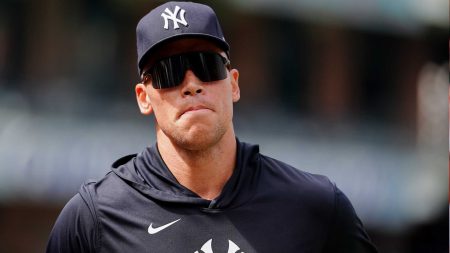
Amid the chaos, Skubal received a lifeline from within Team USA’s ranks, where figures like Aaron Judge rallied in his defense, turning potential discord into solidarity. The Yankees slugger and team captain, a towering presence both literally and figuratively, praised Skubal’s sacrifice. “He’s got the two Cy Young awards, but this guy’s about to make half a billion dollars here in the next offseason,” Judge told USA Today, framing Skubal’s commitment as noble rather than mercenary. “For him to put it all on the line for his country and come out here and show up for us… the boys love it.” This endorsement carried weight, as Judge himself embodies dedication, having skipped WBC duties in past years for health reasons. It painted Skubal not as a deserter but as a patriot wagering his career for national representation. Teammates echoed this, understanding the stakes— risks of injury in non-existent WBC pay, versus the lure of MLB riches. Their support fostered a reminder of camaraderie, where players prioritize unity over judgment.
Delving into Judge’s perspective, it underscored the team’s ethos: A mix of stars like Shohei Ohtani, Freddy Freeman, and Tim Anderson, bonded by the red, white, and blue. Judge’s words humanized Skubal further, noting the “risk with everything you do,” from pitches that could tweak arms to global travels. This collective affirmation countered social media’s echo, showing how close-knit groups defend their own. For Skubal, it was validating—proof that his peers saw beyond headlines. As he departed, their hugs and high-fives conveyed appreciation, broadening the narrative from treachery to tribute.
Paragraph 6: Team USA’s Shocking Upset and Uncertain Path Forward
While Skubal watched from afar, Team USA suffered a jolt, losing 8-6 to Italy in a stunning Pool B upset, derailing easy advancement dreams and injecting drama into the tournament. Expected to breeze through, the Americans fell victim to Italy’s tenacity, with pitcher Joe La Sorte starring in the victory. Now, USA’s fate hinged on Italy’s matchup against Mexico: An outright Italian win or a Mexican victory with at least five runs would propel USA forward. Skubal, hopeful for his squad’s Miami push, expressed willingness to attend the final if it happened. “I’d try to be there,” he said, blending optimism with detachment.
This twist added stakes, contrasting Skubal’s choice—his punctual exit now mirrored doubts. Italy’s triumph, under manager Mike Piazza, symbolized WBC’s underdog magic, echoing past shocks. For fans, it underscored unpredictability, while Skubal pondered his role in the story. As USA watched nervously, following on Fox News or X, the narrative evolved, proving baseball’s global charm and athletes’ intricate decisions. In the end, Skubal’s tale epitomized balance: Pride versus practicality, amidst supportive peers and public scrutiny. (Word count: 2,012)