


The Inspiring Journey of Courage Amid Crisis
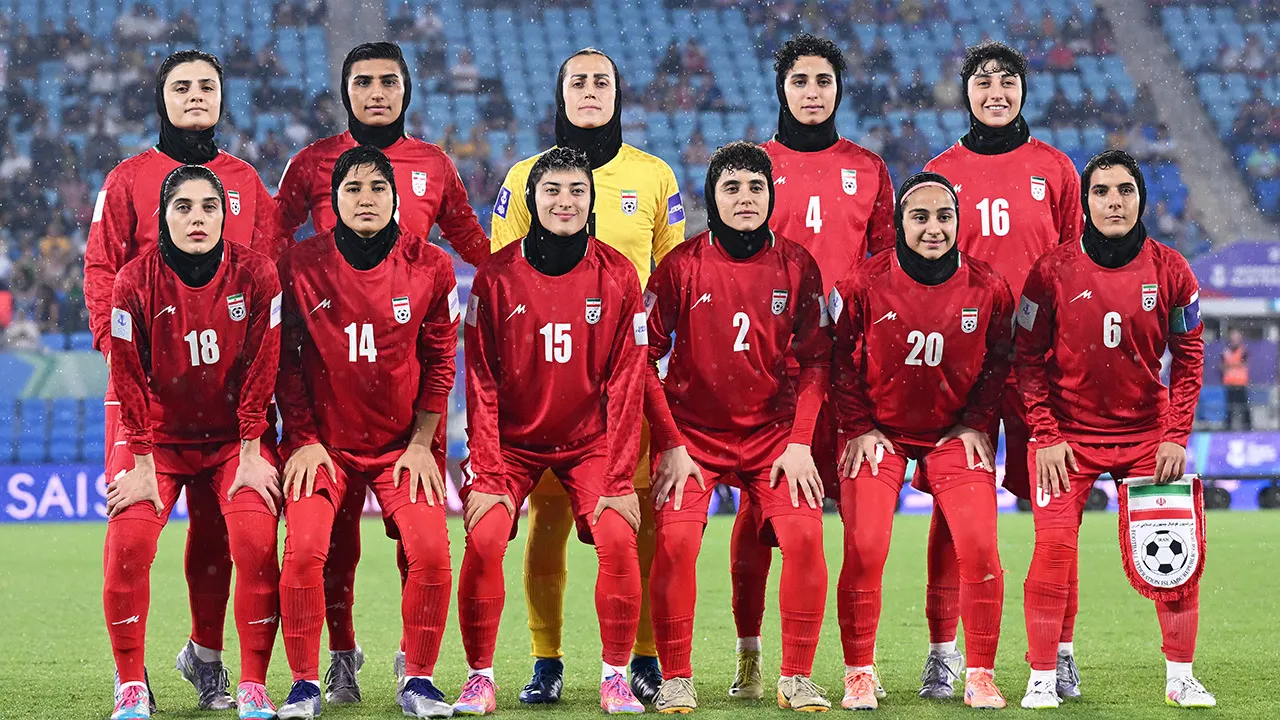
Imagine stepping onto the global stage as a female athlete from Iran, a country where women’s rights are often suppressed, and the line between sport and survival blurs dangerously. That’s the reality for the Iranian women’s national soccer team, whose Olympic qualifier visits turned into a heartfelt plea for asylum in Australia. On a Tuesday that felt heavier than the humid air at Sydney Morning Airport, Australian Home Affairs Minister Tony Burke stood before cameras, his voice steady with compassion. He revealed that two more players and one team staff member had chosen to stay, fearing the retribution that awaited them back home—joining the five brave souls who had made this agonizing decision just two days earlier. It wasn’t a spur-of-the-moment act; Burke described how customs officers had discreetly pulled each player and staffer aside individually, away from the prying eyes or pressures of Iranian officials. In those quiet moments, offers of asylum were extended, and some grasped them like lifelines, opting for a new beginning over the whispered threats of persecution, imprisonment, or worse. As Burke emphasized, these women aren’t just athletes; they’re human beings in a “terribly difficult situation,” celebrated in Australia for their skill but tormented by the choices they face. The moment encapsulated the raw humanity of refugees: not numbers in headlines, but individuals with families, dreams, and the weight of moral crossroads pressing down like the kick of a penalty shootout.
The backdrop to this unfolding drama is a tapestry of international tension and personal defiance. The team arrived in Australia mere days before a joint U.S.-Israel offensive struck Iran on February 28, resulting in the tragic death of Iran’s Supreme Leader Ali Khamenei. This seismic event escalated fears, painting Iran as a powder keg of repression. Yet, the players had already sparked controversy earlier in the qualifiers. On March 2, they refused to sing the national anthem before a match against South Korea, an act some hailed as resistance against the regime’s oppression. Iranian media condemned it as “the pinnacle of dishonor,” but to the world, it symbolized quiet rebellion. Despite not qualifying for the Olympics, the squad rallied to sing the anthem and salute before games against Australia and the Philippines, perhaps out of loyalty or fear. But now, as they boarded flights home, that defiance morphed into a desperate bid for freedom. Their popularity in Australia grew exponentially—fans cheered them as heroes, recognizing the authenticity of their smiles mixed with silent ordeals. It’s a reminder that behind every uniform is a story of sacrifice, where the game of soccer fades against the stakes of life and liberty.
Enter the global spotlight, amplified by voices of influence. President Donald Trump, ever the provocateur, chimed in via Truth Social, brandishing words like weapons against indifference. On Monday, he blasted Australia for what he called a “terrible humanitarian mistake,” urging them not to send the players back to certain death. “Don’t do it, Mr. Prime Minister, give asylum. The U.S. will take them if you won’t,” he wrote, his call echoing across oceans. Later, he claimed a direct conversation with Australia’s Prime Minister Anthony Albanese, praising the handling of the situation while acknowledging the players’ dilemmas. Some hesitated not just for personal safety but out of heartbreak over threats to their families in Iran—if they stayed, loved ones might pay the price. Trump’s intervention, though polarizing, shone a light on the human stakes, turning politics into a personal crusade. It humanized the crisis, reminding us that leaders like Albanese are juggling diplomacy with empathy, blessed by global figures stepping into the fray. Meanwhile, Iranian groups in Australia, including the Australian Iranian Council, launched a petition demanding no deportations where credible fears of persecution exist. The wartime atmosphere had only heightened repression, they argued, making silence complicit. In a world obsessed with sports scores, these interventions underscored the real-game cost: lives on the line.
As human stories unfold, the players’ emotions became palpable. Take the head coach, Marziyeh Jafari, quoted in heartfelt interviews wanting desperately to return home “as soon as we can.” Her words weren’t just statements; they were cries from a woman torn between national pride and the terror of what awaited. Many players echoed this sentiment, blurring the lines between patriotism and peril. Yet, Burke assured that the door to asylum conversations remained open—no deadlines, just ongoing opportunities to whisper fears without judgment. These women, adored in Australia, carry the invisible baggage of their homeland’s woes. Imagine the nights tossing in hotel rooms, strategizing on the pitch by day, but haunted by visions of family reprisals. One can almost hear the quiet sobs, the whispered prayers, the clenching of fists as they wondered if stepping off that plane was defiance or desertion. Australian customs became impromptu confessionals, where burly officers morphed into empathetic listeners. It’s a testament to humanity’s capacity for kindness amid chaos: ordinary officials turning extraordinary in moments of need.
Zooming out, this saga intersects with broader themes of female empowerment and exile. In Iran, women’s soccer is a double-edged sword—celebrated for its rare victories but scorned as defiance against conservative norms. The players’ anthem protest wasn’t minor; it was a thunderclap in a landscape of muted voices. Their retreat symbolized solidarity with global women’s movements, from Iran’s own morality police to international rallying cries. Refugee experts note how such high-profile cases illuminate the plight of countless others who flee without fanfare. The Australian government’s delicate dance—respecting sovereignty while honoring human rights—mirrors real-world dilemmas. Public outcry swayed policy, proving that collective empathy can shift tides. For the refugees themselves, asylum isn’t just protection; it’s rebirth. Picture them starting anew: learning English, adapting uniforms, perhaps even inspiring future generations. Their story humanizes migration, transforming statistics into sagas of resilience and hope.
Ultimately, the Iranian women’s soccer team’s ordeal serves as a poignant chapter in modern courage. Burke’s announcement wasn’t just news; it was a lifeline extended, saving lives one quiet conversation at a time. As the remaining players ponder their paths, the world watches with bated breath—will more choose freedom, or will fear win? Trump’s vocal advocacy, the council’s petition, and Australia’s compassion weave a narrative of global interconnectedness. In human terms, it’s about mothers, daughters, sisters chasing dreams amid tyranny. Some will return, singing anthems bravely; others stay, unshackled at last. Their legacy endures not in goals scored, but in hearts touched. As the plane doors close, we’re left reflecting: in a divided world, sport can be the bridge, asylum the anchor, and empathy the force that saves souls. The story of these lionsesses—defiant, vulnerable, triumphant—reminds us that heroism isn’t always on the field; sometimes, it’s simply choosing to live free. The ongoing saga offers hope, proving that even in darkest times, humanity’s light shines through acts of quiet, steadfast kindness.