


In the bustling streets of Vietnam, where the constant hum of motorbikes and cars is as much a part of daily life as morning coffee, a new challenge has hit hard: skyrocketing fuel prices and shortages stemming from the volatile Middle East. It’s not just about getting to work or running errands anymore; the country’s trade ministry has stepped in, urging businesses to let employees work from home wherever possible. This isn’t some radical new policy but a smart, practical response to curb fuel consumption and ease the strain on resources. Vietnam, like many nations, relies heavily on energy imports from the Middle East, and with the U.S.-Israeli conflict involving Iran heating up, supplies have become unpredictable. Imagine waking up to find your usual commute turning into a guessing game—will there be gas at the station? The ministry’s statement on Tuesday highlights how Vietnam is among the hardest hit, dependent on foreign oil and now facing disruptions that echo globally. Encouraging remote work reduces the need for travel, cutting down on those daily trips that add up. It’s a nod to practicality in a world where even small changes can make a big difference, especially for a developing economy that’s seen remarkable growth but now grapples with external shocks. People are adjusting, perhaps trading the office buzz for the quiet of home setups, laptops open and coffee mugs at hand, all to help the nation weather this storm without falling into desperation.
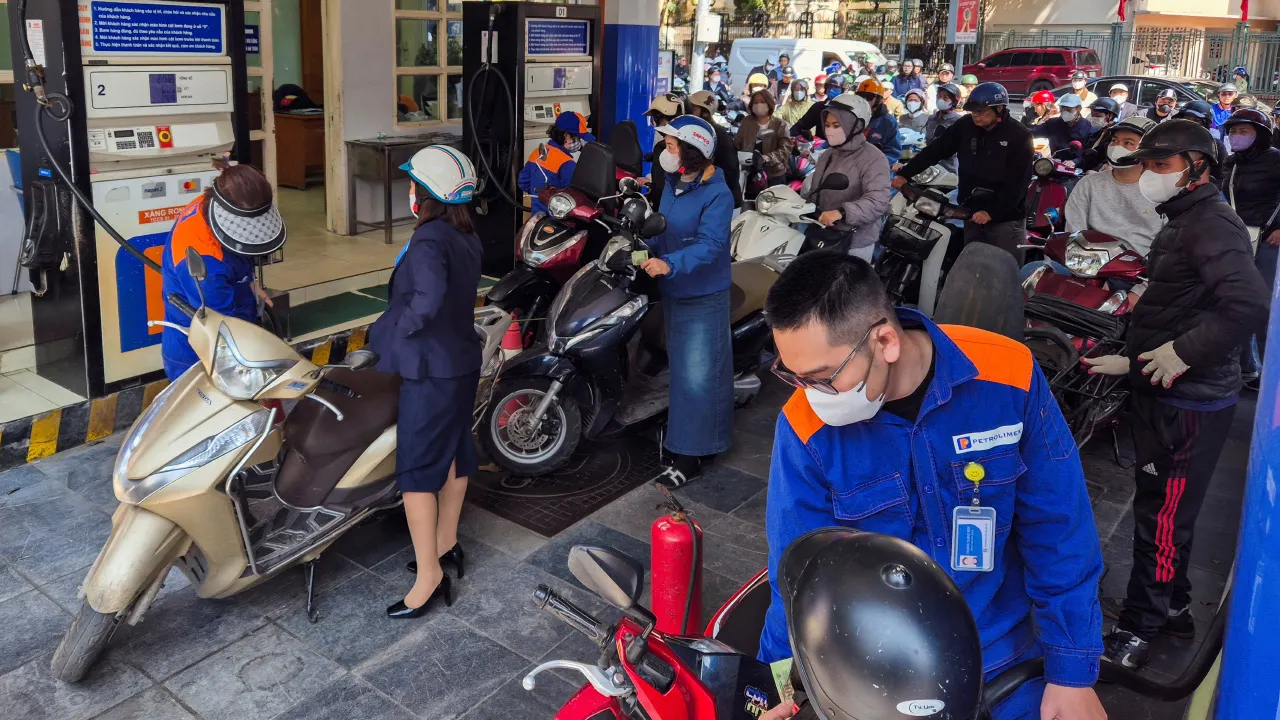
Driving through Hanoi this past Tuesday, you’d spot something unusual: long lines of cars and motorbikes snaking around petrol stations, folks waiting patiently—or impatiently—for fuel. It’s a snapshot of the real squeeze Vietnam is under. According to Petrolimex, the country’s top fuel trader, prices have jumped dramatically since the end of last month—gasoline up 32%, diesel a staggering 56%, and kerosene hitting 80%. These aren’t just numbers; they’re felt in every wallet. A motorbike rider who used to fill up for a few dollars now calculates the cost meticulously, wondering if they can afford the trip to the market. The ministry isn’t just talking about remote work; they’re also pleading with businesses and individuals not to hoard fuel or speculate on it, which could worsen the shortages and drive prices even higher. It’s human nature to want to stock up when things feel scarce, but that impulse, if unchecked, turns a manageable crisis into chaos. Stories are emerging of families devising plans, like carpooling more or cycling short distances, reminding us how interconnected our lives are. This fuel crunch isn’t isolated—it’s a ripple effect from thousands of miles away, affecting moms rushing to school drop-offs, delivery drivers charting routes, and businessmen in high-rises. Yet, amidst the frustration, there’s resilience; communities are sharing tips on fuel-efficient driving, and online forums buzz with advice. It’s a reminder that in times of pinch, ordinary people find extraordinary ways to cope, turning necessity into creativity and fostering a sense of solidarity across neighborhoods.
Stepping up to address this, Vietnam’s leaders are pulling every lever available. Prime Minister Pham Minh Chinh didn’t hesitate—he jumped on calls with leaders from Kuwait, Qatar, and the United Arab Emirates early this week, seeking pledges for extra fuel and crude oil supplies. It’s diplomatic maneuvering at its finest, showing how international relationships matter when domestic tanks are running low. To further ease the burden, the government has slashed import tariffs on fuels through the end of April, a temporary relief valve aimed at flooding the market with more affordable options. These moves aren’t just bureaucratic; they’re lifeline efforts to stabilize prices before they spiral further. Think about it: for countries like Vietnam, where infrastructure is growing fast but energy security is precarious, such proactive steps are crucial. It’s like a family pooling resources during hard times—neighbors helping neighbors, or in this case, governments collaborating across borders. The Ministry of Industry and Trade’s report underscores the urgency, painting a picture of a nation that’s vulnerable due to its import dependencies. Yet, these actions inspire hope, proving that smart policy can mitigate the fallout from global instability. Everyday folks might not see the behind-the-scenes diplomacy, but they feel the results when lines shorten and prices stead like, setting a stage for recovery that’s not just economic but a boost to national confidence.
Zooming out to the root cause, it’s clear this turmoil traces back to U.S. President Donald Trump’s decisive actions against Iran in the Middle East. His strikes have jolted crude markets, sending oil prices soaring to $120 a barrel over the weekend before they dipped back to around $80 on Monday night as Trump reassured investors. The Strait of Hormuz, that crucial waterway for oil tankers, felt like a ticking clock—threatened instability from its strategically dismantled Iranian regime. But Trump’s words from his Air Force One interview carried weight: he promised the strait would remain safe, calming nerves and signaling U.S. intent to protect vital shipping routes. This isn’t just geopolitics; it’s a direct hit on global energy flows that ripple everywhere, including to Vietnam’s doorsteps. Investors and analysts are parsing every nuance, understanding that one leader’s decisions can sway everything from gas pump prices to household budgets. It’s a stark illustration of how interconnected the world is— an American leader’s tweet or statement can echo through Asian commutes, affecting families far removed from the conflict zone. For those of us following along, it’s a lesson in vulnerability: relying on distant sources means feeling the shockwaves instantly, underscoring the need for diverse energy strategies in a hyper-connected era.
The situation in the Middle East remains delicate, with Iran’s announcement of Mojtaba Khamenei as the next supreme leader adding fuel to the fire—no pun intended. Trump openly expressed his displeasure, telling Fox News he “was not happy” and bluntly stating, “I don’t believe he can live in peace.” This rhetoric spiked tensions, as Iran’s Revolutionary Guard vowed to blockade oil exports until U.S. and Israeli attacks stop, a bold threat that drew Trump’s sharp retort: he’d hit Iran “20 times harder” if exports were obstructed. It’s a chess game of bluster and brinkmanship, where words carry the weight of potential actions. Despite the threats, the U.S. hinted at readiness to escort tankers through the Hormuz Strait if needed, though no full mission has launched yet. This standoff isn’t just diplomatic theater; it’s keeping global markets on edge, with tankers changing routes and prices fluctuating wildly. For everyday people, it’s bewildering to watch leaders like Trump aboard Air Force One, calling the shots, or Iranian guards making defiant standpoints. It humanizes the conflict, showing leaders as flawed individuals with egos and visions, their decisions shaping lives far beyond borders. Stories of sunk naval vessels— the Department of War claims 50 Iranian ones—only heighten the drama, leaving observers wondering if this is escalation or a pivot point toward resolution.
Yet, amid the drama, there’s a silver lining of cautious optimism. Investors are betting big that Trump might end this war soon, before it triggers a worldwide economic meltdown. Trump’s own words suggest this: “I’m hearing they want to talk badly,” he said, implying the war is ahead of schedule and possibly nearing completion. He even mused about engaging the new Iranian leadership—descendants of the deceased leaders—admitting it’s “only possible” depending on terms. It’s a quirky, almost offhand remark, like a businessman negotiating a deal: “We sort of don’t have to speak anymore, you know, if you really think about it, but it’s possible.” This shift hints at diplomacy’s potential, where once rigid stances soften under economic pressure. For Vietnam and countless others, such developments mean potential relief from fuel woes, allowing life to resume its normal rhythm. It’s heartening— a testament to humanity’s ability to seek dialogue even in conflict. As Fox News and contributors like Trey Yingst report these shifts, we’re reminded that news isn’t just headlines; it’s the beating pulse of global events affecting our daily commutes, our financial stability, and our hopes for peace. In humanizing these geopolitical giants, we see how one conversation or ceasefire could pave the way for stability, encouraging us to stay informed and hopeful in these uncertain times. Ultimately, this crisis underscores our shared fragility and the power of adaptive, compassionate responses.