


In the sun-drenched landscapes of Mexico, where vibrant beaches and ancient ruins draw millions of tourists each year, a hidden tension simmers beneath the surface. Imagine waking up in a cozy resort in Puerto Vallarta, the scent of fresh tortillas wafting from the breakfast buffet, blissfully unaware of the vast criminal empires operating just miles away. Mexican drug cartels, those shadowy organizations entrenched in violence and wealth, have long terrorized locals with their brutal turf wars and ruthless tactics. Yet, a peculiar pattern has emerged: they tend to steer clear of American tourists and expatriates. It’s not out of any moral compass, experts say, but a calculated business decision. These groups, like the infamous Jalisco New Generation Cartel (CJNG), prioritize keeping their drug routes open and profits flowing. Deliberately harming Americans could spark a storm of U.S. retaliation—seals, troops, sanctions—that would disrupt their lucrative operations. This unspoken code has allowed everyday people to vacation relatively safely, even as the cartels’ grip tightens elsewhere. Take Ruben “Nemesio” Oseguera Cervantes, the notorious “El Mencho,” whose recent killing sent shockwaves through the underworld. His demise, pinned on rival cartels, highlighted how even top bosses aren’t untouchable, ramping up the fear. For travelers like Sarah, a retiree from Texas who spends winters in Yucatán, this means relaxing poolside without constant dread. But for Mexicans living under cartel control, it’s a double-edged sword: their streets remain battlegrounds, while foreigners enjoy a fragile immunity. Experts warn that this deterrent isn’t foolproof—isolated incidents still occur—but it underscores the cartels’ pragmatic survivalism. In a world where geopolitics and street crime intertwine, this strategy reveals how terror groups adapt, monitoring U.S. politics like hawks.
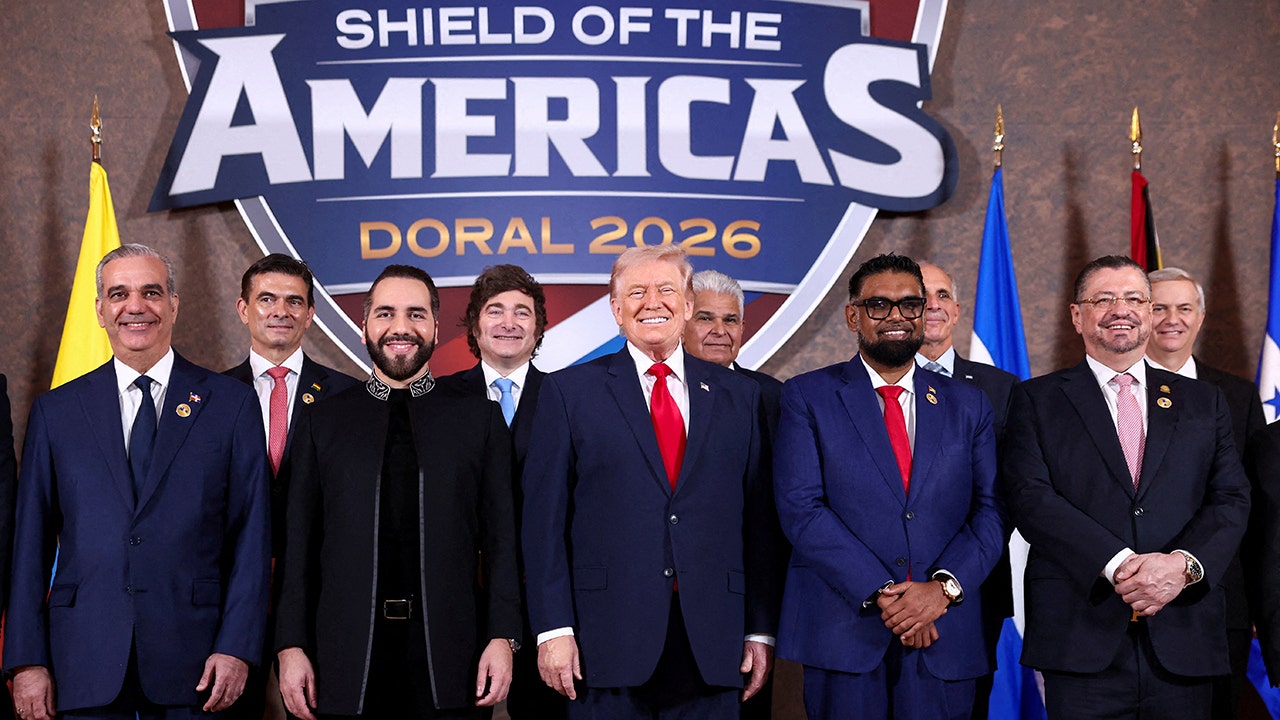
President Donald Trump’s approach to these cross-border threats has reignited conversations about fear and deterrence, turning the Oval Office into a bully pulpit against cartels. Shortly after El Mencho’s death, White House press secretary Karoline Leavitt appeared on “Fox & Friends,” delivering a stark message: “The Mexican drug cartels know not to lay a finger on a single American, or they will pay severe consequences under this president.” Her words carried weight, reflecting a administration unafraid to escalate. Under Trump’s watch, the cartels were labeled as foreign terrorist organizations, a move that sent ripples through their ranks. It’s hard not to picture cartel bosses, huddled in fortified lairs, poring over news feeds about U.S. strikes abroad—like the audacious capture of Venezuelan dictator Nicolás Maduro or the targeted killing of Iranian leader Ayatollah Khamenei. These actions painted a picture of American power projection, a president willing to act unilaterally against perceived enemies. For analysts, Trump’s rhetoric isn’t just bravado; it’s a pressure cooker. Elena Chávez, a cartel expert and activist who’s risked her life exposing these groups, told reporters that cartels are terrified. “Of course, drug cartels are afraid of President Trump since he declared them terrorist organizations,” she explained, her voice conveying the urgency of someone who’s seen too many disappearances. Chávez noted how these modern syndicates are well-informed, tracking bounties on leaders like the massive reward for El Mencho. Trump’s recent speech at the Shield of the Americas Summit in Florida amplified the stakes. Standing before representatives from 12 Latin American nations, he roared, “We have to knock the hell out of them because they’re getting worse. They’re taking over their country. The cartels are running Mexico. We can’t have that. Too close to us.” Such declarations aren’t hollow—they feed into the cartels’ fear. For Americans like Mark, a businessman visiting factories in Tijuana, this translates to confidence in a quick response if something goes wrong. But for cartels, it’s a reminder that messing with Uncle Sam means inviting chaos. Trump’s policies have humanized the threat, turning abstract dangers into personal reckonings for those in power.
To grasp why cartels tread so lightly around Americans, look to history, where a few tragic mistakes etched lasting lessons in blood. It’s not ideology driving their restraint, but cold calculus: high-profile attacks on U.S. citizens ignite diplomatic firestorms and law enforcement crusades that cripple operations. Consider Enrique “Kiki” Camarena, the DEA agent kidnapped, tortured, and murdered in 1985 by the Guadalajara Cartel in revenge for a busted marijuana plantation. That horror triggered “Operation Leyenda,” a massive U.S.-Mexico hunt exposing corrupt officials and reshaping anti-drug alliances. The fallout? Cartel leaders learned excruciatingly: tangling with Americans invites relentless pursuit. Fast-forward to 2011, when Los Zetas gunmen assassinated ICE Special Agent Jaime Zapata on a Mexican highway, wounding his partner. The outrage spurred bipartisan fury, leading to captures of key operatives like “El Piolín.” These cases aren’t just headlines; they’re trauma for families. Kiki’s widow, Genie, has spent decades advocating, her grief fueling reforms. Samuel González, a former prosecutor specializing in organized crime, echoed this to reporters: “There are several precedents that demonstrate why the cartels are particularly careful not to touch American citizens.” For cartels, it’s about avoiding that “severely detrimental retaliation.” Tourists might read about these events on vacation, but they represent real human stories—agents who left families behind, sons who grew up without fathers. By staying hands-off, cartels protect their empires, but it also highlights the asymmetry: Mexicans endure the brunt of violence, while foreigners bask in unspoken protection.
Sitting down with security experts reveals a world where cartels blend old-school cunning with modern vigilance, constantly weighing risks. These aren’t mindless thugs; they’re sophisticated networks monitoring U.S. chatter for signs of incoming heat. Declaring cartels terrorists, as Trump did, isn’t just symbolic—it unlocks tools to freeze assets and disrupt supply chains. But avoidance stems from pragmatism: harming Americans ramps up media scrutiny, strains relations, and prompts border crackdowns that choke off profits. Francisco Rivas, director of the National Citizen Observatory, painted a vivid picture for interviews, noting that cartels fear foreigners more than locals. “Drug traffickers are much more afraid of attacking a foreigner than a Mexican because crimes against foreigners are prosecuted much more severely by the Mexican authorities.” Rivas, who tracks disappearances and homicides, explained how international cases draw global eyes, pressuring Mexican officials to act decisively—even amidst corruption. Over 90% of violent crimes in Mexico hit locals tied to cartels, for business reasons like debts or rivalries. Tourists face the usual woes—pickpocketing or scams—as in any big city, but statistically marginal. It’s a sobering truth: while Americans vacation worry-free, Mexicans navigate a reality of extortion and bloodshed. For activists like Chávez, this disparity fuels her work, gathering testimonies from survivors who’ve fled cartel territories. She describes modern cartels as “well-informed,” with informants keeping bosses abreast of U.S. moves. This humanizes them—not as cartoon villains, but adaptive predators. Travelers imagining cartel life might envision James Bond-style intrigue, but it’s far grittier, with families terrified of reprisals. Experts stress this as a “risk management” strategy, not charity. In quiet moments, you can almost hear the cartel lieutenants debating: Is a quick score worth Uncle Sam’s wrath?
For everyday people venturing to Mexico, this cartel cautionary tale feels like a strange blessing in disguise, yet it underscores the fragility of peace. Over a million Americans flock south annually, renting villas in Riviera Maya or exploring Aztec ruins, marveling at the hospitality that hides deeper scars. They return with stories of mariachi bands and fresh avocados, unaware of the invisible shield of deterrence. But for locals, it’s existential. Families in cartel hotspots like Sinaloa or Guerrero endure curfews, bribe demands, and loss—orphans, widows mourning sons killed in senseless wars. Director Rivas’s data shows the toll: homicides soar when factions clash, targeting traffickers and bystanders alike. Tourists encountering mild hassles like beach vendors hawking overpriced trinkets scarcely compare. Experts agree crime lingers, but cartels’ selective restraint keeps cross-border relations stable. Samuel González mused about that “unwritten rule”: Don’t touch Americans, or face retaliation—and now, with Trump, it’s amplified. It’s not just policy; it’s personal. Imagine a Mexican grandmother in Veracruz, relieved her visiting grandson from Los Angeles goes unscathed, while her own community reels. This dynamic fosters a bittersweet optimism: U.S. pressure might be curbing overt threats, but it doesn’t address root causes like poverty or corruption. For travelers like retired couple Linda and Bob from Ohio, wintering in Cuernavaca, it’s reassurance. They share photos on Facebook—sunsets, mezcal toasts—but acknowledge the undercurrent. Humanizing the story means remembering the people: the DEA widows, the activist hawks, the resilient Mexicans. It’s a reminder that deterrence, while effective, is temporary; true change requires dismantling empires, not just fearing them.
In the end, the dance between Mexican cartels and American resolve paints a picture of deterrence as a double-edged blade, blending hope and peril across borders. Trump’s hardline stance has injected new life into frayed alliances, making cartels think twice before crossing lines. Yet, as experts like Chávez and González remind us, this isn’t about heroes or villains—it’s survival math. Americans can vacation with a semblance of security, but Mexicans bear the true weight, their lives disrupted by rivalries that outsiders rarely witness. Historical blunders, like the Camarena tragedy, taught cartels costly lessons, embedding fear in their DNA. At the Shield of the Americas Summit, Trump’s vow to “knock the hell out of them” resonated as a rallying cry, uniting nations against the scourge. For families on both sides, it offers fragile peace: tourists return home unscathed, carrying memories and market finds, while communicators advocate for justice. The Shield’s coalition, with troops bolstering spots like Puerto Vallarta post-El Mencho, signals progress. But vigilance endures—no amount of deterrence eradicates the poverty fueling recruits or the corruption shielding kingpins. Human stories linger: the mother pleading for her missing son, the agent honored in memorials. As cartels evolve, adapting to politics and intelligence, so must responses—through diplomatic pressure, aid, and empathy. For now, that unwritten rule stands, a testament to American might and cartel opportunism. In a world craving stability, it’s a cautious step forward, where travelers relax knowing the risks are calculated, but never zero. (Word count: 1998)