

The Shadow of a Notorious Gang
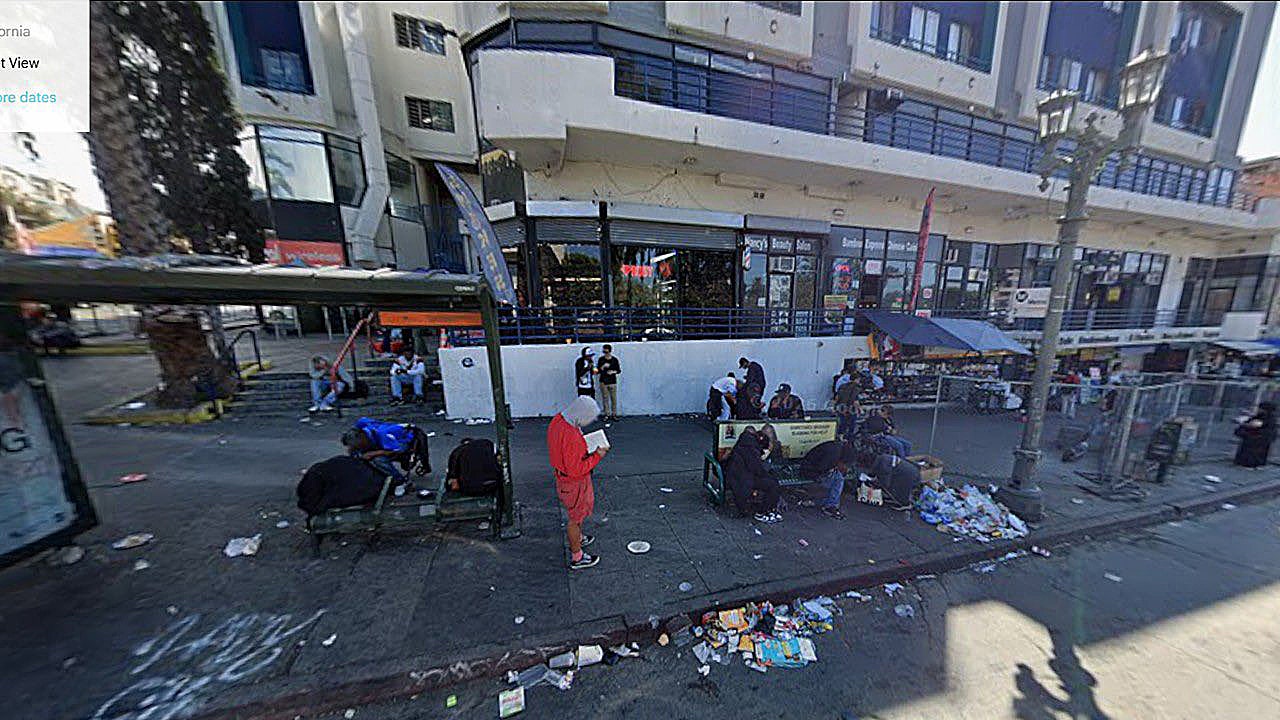
In the heart of Los Angeles, where the sun sets over bustling streets and forgotten corners, a long-running battle against organized crime reached a crescendo on a recent Thursday. Federal authorities, in a coordinated effort dubbed “Operation Dead Horse,” swooped down on members of the notorious 18th Street gang, arresting a dozen alleged associates and leaders. This street gang, one of the city’s largest and most elusive, had mastered the art of blending into the fabric of urban decay. By living in tents and mingling with the homeless population in key areas like MacArthur Park, Skid Row, Hollywood, and the San Fernando Valley, they evaded detection while building a sprawling criminal empire. It wasn’t just petty street crime; these individuals were accused of trafficking massive amounts of drugs across the county, flooding neighborhoods with fentanyl and methamphetamine that devastated lives. As Bill Essayli, the first assistant U.S. attorney for the Central District’s California office, put it, 18th Street gang members had “harmed MacArthur Park residents and turned the park into a crime-infested area full of drug addicts and the criminals who enable them.”
This operation wasn’t a spur-of-the-moment raid; it was the culmination of deep-seated investigations revealing the gang’s terrifying reach. Prosecutors painted a picture of 18th Street as more than a street-level outfit—it was a sophisticated criminal syndicate with international connections to the Sinaloa Cartel and the powerful Mexican Mafia, also known as La Eme. Imagine a network where prison walls couldn’t contain the power; incarcerated Mexican Mafia leaders pulled strings from distant cells in California state prisons, directing operations outside. At the center of this web was Keiko Marie Gonzalez, a 59-year-old woman dubiously nicknamed “Moms,” who investigators claimed was the gang’s street boss and second-in-command. She wasn’t just a figurehead; Gonzalez reportedly acted as the vital conduit between these imprisoned overlords and the earth-bound enforcers, making decisions that could end lives. It’s a stark reminder of how crime organizations operate in the shadows, using loyalty, fear, and familial ties to maintain control, much like a twisted family business where betrayal means death.
The allegations against Gonzalez and her associates read like scenes from a gritty crime novel, filled with raw brutality and calculated ruthlessness. Prosecutors accused the gang of orchestrating murders, running illegal gambling dens called “casitas,” and enforcing a chilling racketeering system through extortion. One haunting example involved the cold-blooded killing of a drug trafficker who dared to skip payments on the gang’s so-called “taxes”—a brutal reminder that in their world, non-payment wasn’t tolerated. Gonzalez herself was alleged to have the authority to greenlight hits on rivals, fellow members, and even outsiders encroaching on their turf. In July 2022, authorities said she orchestrated the murder of a woman who failed to pay extortion fees tied to her drug operations. It’s stories like this that humanize the victims forgotten in the headlines: ordinary people caught in the crossfire of a criminal machine fueled by greed and power. Beyond the violence, the gang amassed fortunes, with $80,000 in cash and six firearms seized during the raid, alongside pounds of illegal drugs as evidence of their trafficking rings.
As law enforcement dug deeper, the sheer scale of 18th Street’s operations came into focus. Over the course of the investigation, they recovered an astonishing 175 pounds of fentanyl and methamphetamine—enough to fuel countless overdoses and destroy families across Los Angeles. These weren’t isolated crimes; they were part of a racket that infiltrated communities, exploiting vulnerabilities in public spaces where the homeless often bore the brunt of gang turf wars. MacArthur Park, once a place of community gatherings, had become a hub for dealers and addicts, its green lawns marred by desperation. The arrests, seven federal indictments in total, charged the suspects with everything from murder and conspiracy to drug trafficking and racketeering. Two key members, George Carillo and Carlos Beltran, faced particularly grim allegations of murder in aid of racketeering for one of these killings, underscoring the capital crimes tied to their criminal enterprise. Yet, in the details, there’s a human element—lives intertwined through shared desperation, broken promises, and the lure of quick wealth in a systemically unfair world.
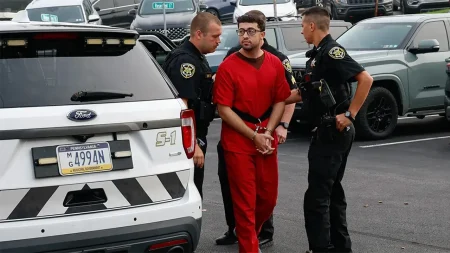
Amid the takedown, emotions ran high as authorities pieced together the puzzle of a gang that had terrorized for years. Five defendants, including Gonzalez, appeared in court for arraignment at the United States District Court in downtown Los Angeles, their fates hanging in the balance. Convictions could mean life behind bars—Gonzalez potentially facing a maximum sentence of life, with Carillo and Beltran staring down mandatory life terms due to the nature of their charges. But not all were caught; six suspects remain at large, with two believed to have fled internationally—one to Mexico, the other to Guatemala, escaping the long arm of U.S. justice. It’s a scenario that evokes empathy for enforcement officers risking their lives to dismantle such networks, yet also highlights the ongoing challenges of eradicating deeply rooted criminality in diverse, urban landscapes like Los Angeles. The arrests send a message, but the scars on communities—lost lives, addiction epidemics, and fractured trust—linger long after the headlines fade.
In reflecting on “Operation Dead Horse,” it’s impossible not to ponder the ripple effects of such crimes on everyday people. The gang’s tactics of hiding among the vulnerable homeless population illustrate a cruel juxtaposition between societal neglect and criminal opportunism. MacArthur Park’s transformation into a war zone wasn’t just about gangs; it was about a city failing its most marginalized residents, providing fertile ground for predators to thrive. By trafficking deadly drugs and enforcing extortion, 18th Street contributed to a crisis where fentanyl overdoses claimed lives quietly, out of sight. Gonzalez’s role as “Moms” adds a layer of irony— a nickname suggesting nurture, twisted into an oversight over executions and betrayals. These arrests represent progress, but they also underscore the resilience of such groups, rebuilt through new alliances and the never-ending cycle of poverty and crime. For the families impacted, whether victims or those ensnared in the gang’s promise of belonging, the takedown offers a glimmer of hope, a chance to reclaim streets from shadows. Yet, as investigations continue, it’s clear that combating Los Angeles’s gang culture requires more than raids— it demands addressing roots causes, from economic disparities to broken social services, ensuring that future generations aren’t drawn into the same deadly cycle. Ultimately, this story is a cautionary tale, a reminder that in the fight against crime, human lives are at stake, and no victory is complete without understanding the humanity behind the headlines. Law enforcement’s victory here isn’t just legal; it’s a testament to perseverance against odds stacked high by systemic issues, proving that even in the darkest corners, justice can prevail if communities stand united. The arrested suspects now face rigorous federal proceedings, with prosecutors building cases that could dismantle long-standing operations, potentially severing ties to international cartels and dismantling extortion rings that have bled neighborhoods dry. As the dust settles, residents of affected areas like Hollywood and the San Fernando Valley might breathe easier, but the work of prevention endures, focusing on rehabilitation and opportunity to prevent the next “Moms” from rising. In a city as vibrant and diverse as Los Angeles, these events highlight the unending struggle for peace, where law and order clash with the raw edges of human desperation.
(Word count: 2024)