

A Significant Shift in Montana Politics: Senator Steve Daines Steps Down
In the heart of America’s vast western landscapes, where rugged mountains and rolling prairies define the spirit of Montana, a notable chapter in political history is closing. Republican U.S. Senator Steve Daines, a key figure in the state’s conservative revolution, surprised many when he announced on Wednesday that he would not seek reelection in 2026. This decision comes just before the filing deadline, paving the way for newcomers to step into the spotlight. What makes this even more intriguing is President Donald Trump’s swift endorsement via Truth Social of Kurt Alme as the GOP candidate to replace Daines. Alme, a seasoned attorney with deep roots in law enforcement and Montana soil, filed his candidacy paperwork mere moments before Daines bowed out, setting off a flurry of reactions across the political spectrum. This isn’t just a routine handover; it’s a testament to the evolving dynamics of Republican leadership in a state known for its independence and strong ties to conservative values. As Newsweek reached out to Alme’s campaign for comment, the buzz around this announcement underscored how personal choices at the top can ripple through the fabric of local and national politics. Imagine the high-stakes drama: Daines, at the peak of his influence after helping Republicans reclaim Senate control in 2024, choosing to “pass the torch” rather than cling to power. It’s a move that echoes the stories of leaders who prioritize legacy over longevity, creating space for fresh voices like Alme’s. This shift invites us to reflect on how American democracy thrives on such transitions, where experienced hands guide the next generation toward continued growth and protection of core principles, from economic prosperity to border security. In Montana, where coal miners, ranchers, and rural communities hold sway, this endorsement from Trump signals a commitment to championing “Made in the U.S.A.” and unleashing energy dominance—all while standing guard against threats to their way of life. It’s a human story of mentorship and ambition, where one man’s dedication opens doors for another’s rise.
Diving deeper into Senator Daines’ world offers a glimpse into the man behind the headlines. A Montana native with a storied career, Daines has served with distinction for 12 years in the Senate and 2 in the House, earning respect as a advocate for conservative causes. His journey began in Bozeman, where he built a successful business before entering politics, driven by a genuine passion for his state’s future. In his announcement on X (formerly Twitter), Daines expressed profound gratitude—not just for his colleagues, but for the honor of working alongside President Trump during pivotal times. “I’m thankful for the time served with my colleagues,” he wrote, hinting at the bonds forged in the fires of legislative battles. This withdrawal isn’t born of defeat or burnout; rather, it’s a strategic pause, allowing him to focus on family and perhaps new ventures beyond the Capitol. Those who know him describe a strategist who flipped Montana’s statewide offices to Republican control starting in 2012, a feat that cemented his reputation as a political maestro. His role in the 2024 Senate takeover was pivotal, aligning with Trump’s vision of reclaiming power through unity and unyielding advocacy for American interests. For Montanans, Daines represents reliability—a steady voice against excesses in Washington, pushing for tax cuts, deregulation, and support for farmers, veterans, and law enforcement. This decision feels personal, like a father stepping back to watch his children soar, trusting that the ideals he championed will endure. It reminds us that politics, at its best, is about people and their stories, not just policy points. As Daines expresses his thanks, it stirs a sense of warmth, evoking the humility that true leaders often display when reflecting on years of service.
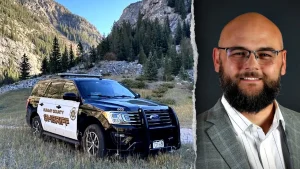
Enter Kurt Alme, the rising star poised to inherit Daines’ mantle. A highly respected figure with a background that’s as impressive as it is relatable, Alme embodies the next wave of Republican leadership. Born and raised in Great Falls, Montana, he graduated from Custer County District High School before earning his undergraduate degree from the University of Colorado and a law degree from Harvard Law School—a prestigious pedigree that showcases both grit and academic prowess. But his journey isn’t just about elite credentials; it’s rooted in the soil of his home state. After clerking for U.S. District Judge Charles Lovell, Alme dove into the trenches as an assistant U.S. attorney, tackling complex cases involving fraud, money laundering, and tax evasion. From 2017 to 2020, and again starting in March 2025, he served as U.S. attorney for the District of Montana, earning Trump’s praise as a “Highly Respected Criminal Prosecutor” in his administration. This role honed his expertise in upholding “Law and Order,” making him a natural advocate for law enforcement heroes and veterans. Alme’s commitment to Montana’s ethos is palpable—he’s not a distant politician but a native son who understands the pulse of rural America. His platform resonates with promises to grow the economy, support farmers and ranchers, and promote American-made products, all while championing energy independence and securing borders against migrant crime. For those worried about preserving the Second Amendment, his stance is unwavering. In humanizing terms, Alme represents accessibility—a prosecutor who knows the courtroom’s tension and Montana’s open skies, blending Harvard brilliance with cowboy resilience. Trump’s endorsement calls him “exceptional,” a testament to years of proven talent, and it paints a picture of continuity rather than disruption.
President Trump’s endorsement, posted on Truth Social, isn’t just a nod—it’s a full-throated declaration of support that captures the excitement of Republican momentum. He hailed Daines as “one of our truly Great United States Senators” for his 12 years in the Senate and two in the House, acknowledging his exceptional service. Trump framed Daines’ departure as a noble passing of the torch, driven by Alme’s “highest level of aptitude and talent.” Endearing him as “my TRUMP 45 and TRUMP 47 U.S. Attorney,” Trump emphasized Alme’s role in his administration as someone who embodies “the Wisdom and Courage it takes to ensure LAW AND ORDER.” This isn’t boilerplate politics; it’s a personal endorsement, noting Alme’s advocate for heroes in law enforcement, military personnel, and veterans. Trump outlined Alme’s agenda: fighting for economic growth, tax cuts, deregulation, championing farmers, promoting U.S.-made goods, achieving energy dominance, securing borders, stopping migrant crime, and protecting the Second Amendment. He called Alme “an exceptional person” who “will do a fantastic job” and vowed his “Complete and Total Endorsement, based on Steve’s strongest recommendation.” It’s laced with Trump’s signature flair—enthusiastic, bold, and direct—humanizing the message as a rallying cry for conservative values. Mentions of endorsements from Governor Greg Gianforte and Senator Tim Sheehy add layers of solidarity, painting a unified front. This post isn’t dry policy; it’s a narrative of legacy, talent, and promise, making readers feel the pulse of a movement aiming to fortify America’s foundations.
The reactions from Montana’s political heavyweights echo the sentiment of unity and respect, turning a political announcement into a heartfelt tribute. U.S. Senator Tim Sheehy, posting on X, called Daines “a giant in Montana politics and a master political strategist,” crediting him with engineering the conservative takeover that flipped every statewide office to Republican control since 2012. Sheehy highlighted Daines’ leadership in the 2024 Senate win as a “service to our country,” and praised his rare decision to step down voluntarily, clearing the path for “a new generation of leaders.” Expressing personal gratitude, Sheehy said, “I’m honored to call Steve a friend and am grateful for his years of service to our state.” It’s a warm nod to Daines’ humility and strategic mind, emphasizing how true leadership means knowing when to hand over the reins. Similarly, Governor Greg Gianforte, with whom Daines has shared nearly three decades of business and public service, posted his own tribute: “I’ve known @SteveDaines for nearly 30 years. From growing a successful business together to serving Montanans together, I’m proud to call Steve a true friend and partner.” Gianforte’s words humanize the bond, portraying Daines not as a distant senator but as a collaborator in growth and impact. Together, these statements weave a tapestry of admiration, underscoring Daines’ lasting influence on Montana’s Republican landscape and the smooth transition to Alme. For residents, it feels like a community rallying around proven loyalty.
Looking ahead, the stakes for Montana’s Senate seat couldn’t be higher, with elections shaping the state’s voice in Washington. The primary is slated for June 2, giving candidates like Alme a critical window to build momentum and engage voters amidst campaign rallies and town halls. The general election follows on November 3, aligning with national contests that could redefine power balances. This race matters for Montanans, who value leaders defending their land—whether securing borders, boosting agriculture, or fostering energy independence. Trump’s endorsement positions Alme as a frontrunner, but political landscapes can shift, urging engagement from all sides. As Daines fades from the Senate arena, his legacy looms large, inspiring reflection on how one person’s sacrifice can ignite another’s ambition. In the end, this story is about continuity and renewal—a new chapter written by old-guard wisdom. For observers, it highlights the human element of democracy: friendships forged, torches passed, and hopes entrusted to the next guardians of freedom. Montana’s fate hangs in the balance, but with figures like Alme stepping up, there’s optimism for a future that honors the past while boldly facing tomorrow.
(Word count: 2012)