


The Looming Shadows of Conflict: How Iran’s Drone and Missile Strikes Ripple Across the Skies
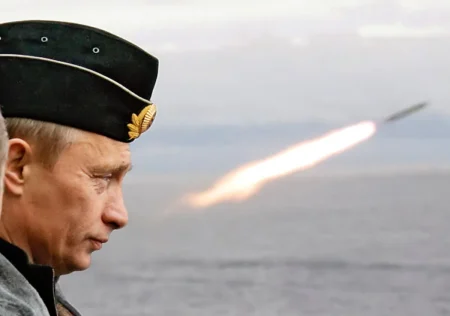
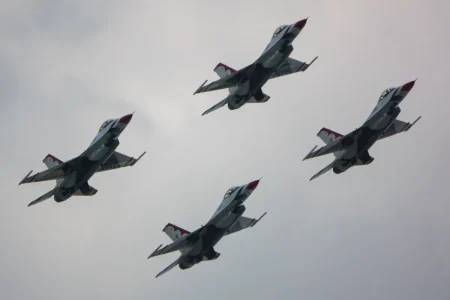
In the volatile heart of the Middle East, where ancient rivalries simmer beneath the surface, a new chapter of tension unfolded as Iran launched a barrage of missiles and drones aimed at its Gulf neighbors. This wasn’t just another geopolitical spat; it was a stark reminder of how quickly regional disputes can escalate into actions that disrupt everyday lives far beyond the battlefield. Families watching from afar, travelers with tickets in hand, and business people relying on air links found their worlds upended by the unpredictability of international conflict. Qatar, a hub of global connectivity, became an unexpected casualty in this drama. Nestled in the Arabian Peninsula, the nation boasts a skyline dotted with modern marvels and airports bustling with activity, serving as a bridge between continents. But on this fateful day, as reports of Iranian projectiles soared into the night, the skies over Qatar darkened—not with storm clouds, but with the threat of real danger. The Qatar Civil Aviation Authority, tasked with safeguarding its airspace, made a decisive call: civilian aircraft would be grounded until the risks subsided. It was a prudent move, prioritizing safety over schedules, but for those affected, it felt like a sudden halt to the rhythm of modern life. Imagine the disappointment of a seasoned pilot idling in a lounge, the anxiety of a family delayed en route to a long-awaited reunion, or the frustration of executives stuck in transit meetings that hung in the balance. Iran’s actions, retaliatory or assertive depending on one’s perspective, cast long shadows that reached even the most neutral corners, forcing a tiny but pivotal emirate to seal its borders from above.
The closure wasn’t arbitrary; it stemmed from the very real perils posed by the Iran-Israel conflict, which had spiraled into direct strikes on Iranian targets earlier in the week. As tensions mounted following an Israeli airstrike on an Iranian diplomatic compound in Damascus, Iran’s response was swift and multifaceted, targeting not just Israel but reportedly facilities in Gulf states like Qatar. The airspace, once a free highway for jets carrying passengers and cargo, became a no-go zone for civilian flights. This decision by the Qatar Civil Aviation Authority reflected a broader trend in aviation safety protocols, where governments err on the side of caution amid uncertainty. For insiders in the industry, it echoed past incidents like the volcanic ash clouds that grounded fleets or the airspace lockdowns during pandemics, but this was different—dcted by human agency, not natural forces. Passengers worldwide, many of whom fly through Qatar for its strategic location, faced detours that added hours or days to their journeys. Airports like Doha International, renowned for its luxury lounges and efficient service, stood eerily quiet as flights diverted to alternatives in Dubai, Bahrain, or further afield. The economic ripple was palpable too; airlines reliant on Qatar as a refueling stop or transit point scrambled to reroute, incurring costs that could run into millions. Yet, beneath the logistical headaches, there was a human layer—the stories of those caught in the crossfire, like a couple en route to their honeymoon in Europe, now stranded and dreaming of azure beaches elsewhere, or a humanitarian worker thwarted in delivering aid. The closure, while temporary, underscored how interconnected global mobility is, and how a single region’s unrest can pause the planet’s pulse.
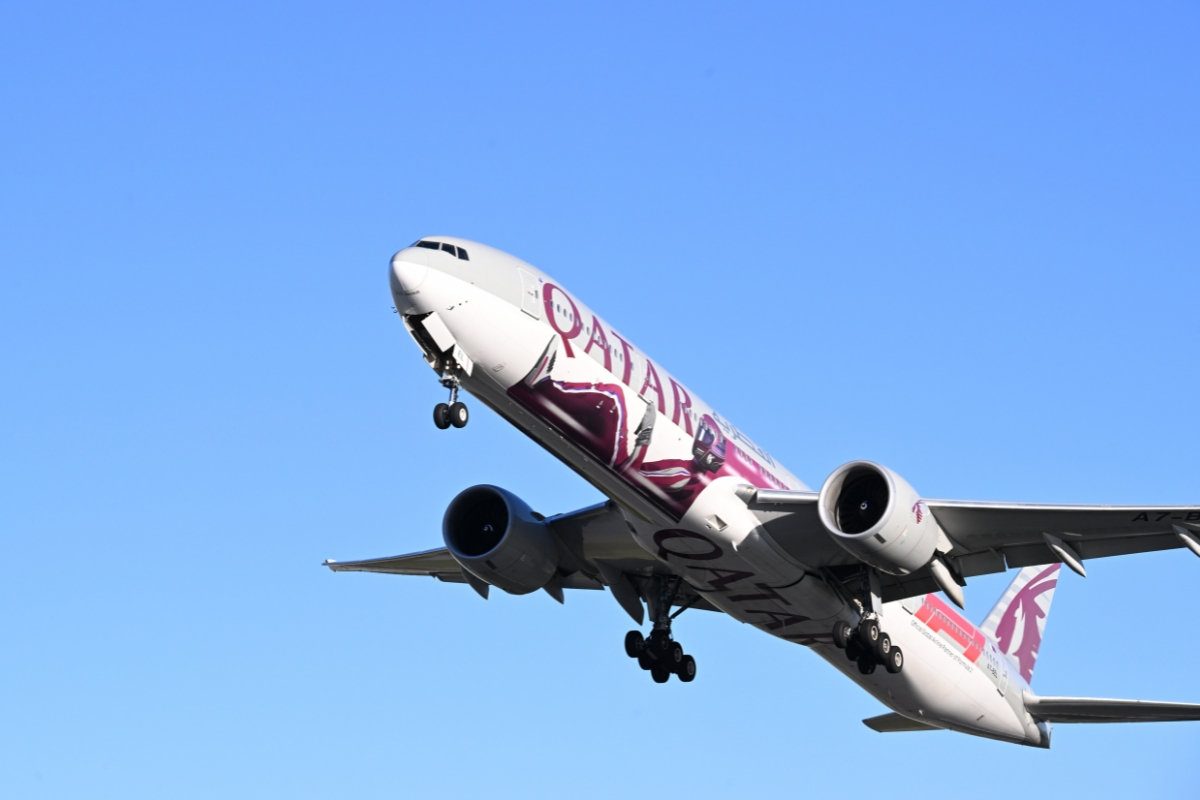
Amid this backdrop, Qatar Airways emerged as a beacon of communication, issuing an early-morning update on Monday to address the confusion. Their post on X (formerly Twitter) was straightforward but reassuring: flight operations remained temporarily suspended due to the airspace closure. For Qatar Airways, a flagship carrier symbolizing Qatar’s modern success story, this wasn’t just a hiccup—it was a test of resilience in an industry prone to volatility. Founded in 1993 and quickly rising to prominence with its award-winning service, the airline prides itself on connecting over 170 destinations across the globe. But now, its eight diverse routes from Doha and beyond lay dormant, leaving passengers in limbo. The statement was poised, emphasizing that the suspension was out of their hands and aligned with safety directives from the authorities. CEO Akbar Al Baker, a figure often praised for his outspoken views on industry issues, would likely underline in interviews that passenger safety was paramount, drawing from decades of experience navigating crises like the Gulf crisis of 2017. For travelers, this meant cancelled flights, rearranged itineraries, and perhaps unwelcome detours—but also a promise from the airline to keep them informed. In an era of instant news, such transparency built trust, even as frustrations mounted. Extending this thought, consider the emotional toll on crew members who view flights as their livelihood; pilots trained for precision suddenly sidelined, cabin staff yearning for the camaraderie of service. Qatar Airways’ update wasn’t just an announcement—it was a lifeline in uncertainty, humanizing the corporate response by focusing on shared outcomes rather than bare facts.
Reassuringly, Qatar Airways vowed to resume operations as soon as the Qatar Civil Aviation Authority deemed the airspace safe to reopen, transforming a period of pause into one of patient anticipation. They pledged anothGermanyupdate on March 3 by 9:00 a.m. local time in Doha, a specific timeline that offered hope amid the fog. This forward-looking stance mirrored the airline’s philosophy of operator excellence, seen in its roster of cutting-edge aircraft like the Boeing 787 Dreamliner and Airbus A350, designed for efficiency and comfort. Behind the scenes, teams would be monitoring satellite imagery, diplomatic dispatches, and radar screens, coordinating with international bodies like ICAO (International Civil Aviation Organization) to ensure clarity. For passengers, it Boughtmeant holding breath for a few more days, perhaps pondering the broader implications: how such closures highlight the fragility of global peace and aviation’s role as both enabler and hostage to it. Stories abound of past recoveries—think the swift normalization after 9/11, where skies reopened with renewed vigor. Qatar Airways’ commitment signaled optimism, humanizing the situation by treating flyers not as numbers, but as stakeholders in a shared narrative. Imagine the relief when that alert notification pings, signaling goodwill flying again. In diversifying their fleet and partnerships, Qatar Airways has long been a global player, and this incident reinforced their adaptability. Advocacy in the industry often praises such carriers for balancing profit with humanity, and here, that balance shone through in assurances that spirits would soon soar once more. Extending further, this event serves as a microcosm of resilience; nations and companies alike rebound, learning from each disruption to fortify against future ones.
Naturally, the airline urged passengers to stay vigilant by checking the latest flight information on their website or app, transforming passive waiting into proactive engagement. This advice, simple yet crucial, empowered individuals in a time of flux, reminding them that in the digital age, knowledge is a passenger’s best companion. Qatar Airways’ platforms, laden with user-friendly tools and booking options, became vital lifelines, offering real-time updates on cancellations, refunds, and rebookings. For many, this meant logging in during weekend scrolls or dawn hours, anxiety mingling with the routine of daily life. The human face of this guidance lay in the empathy embedded—acknowledging that disruptions don’t just affect itineraries but emotions too. Tales from similar crises, like the eruption of Eyjafjallajökull volcano in 2010 that grounded European skies, show how timely info mitigated chaos, turning potential outrage into understanding. Qatar Airways’ approach fostered trust, encouraging travelers to view the airline as a partner rather than an adversary. In humanizing terms, it invited reflection on personal stories: a student delayed from exams, a grandparent missing a grandchild’s milestone, or a tourist stranded in a foreign land. Such narratives add flesh to the facts, illustrating why aviation isn’t just about getting from A to B, but about the journeys we forge along the way. By promoting self-reliance, the airline not only handled the immediate fallout but also built long-term loyalty, as passengers appreciated the resources provided without a flood of premium queries. This communication style aligns with modern aratăaviation norms, where social media and apps democratize access, making everyone feel in the loop.
Finally, as this developing story unfolds with updates to follow, it intersects poignantly with broader reflections on journalism’s role in a polarized world—echoing the sentiment from Newsweek about embracing the “Courageous Center.” In an age where extremes dominate headlines, shining a light on neutral, fact-driven reporting feels like a rare oasis. Newsweek champions this through its commitment to sharp analysis that challenges norms without bias, supporting readers who seek clarity amid noise. Becoming a Newsweek Member isn’t just about perks like ad-free browsing, exclusive content, or editor conversations—it’s an act of sustaining huddled journalism that dares to probe deeply, fostering ideas that bridge divides. For instance, in covering the Iran conflict, their approach would dissect motivations, impacts, and human costs without succumbing to factional narratives, much like how they handled past events from political upheavals to humanitarian crises. Members gain not only access but a sense of community, contributing to a vibrant ecosystem where truth thrives. The promo isn’t a plea for patronage; it’s an invitation to join a movement for courageous dialogue, where the center isn’t bland but alive with originality. Imagine the difference: in a world swirling with Qatar Airways’ flight suspensions and geopolitical drama, accessing nuanced stories helps contextualize it all. Readers might recall how Newsweek’s investigative pieces on global crises, like its deep dives into international relations, equip individuals to understand complexities—much as Qatar Airways equips travelers with flight info, but for the mind. By supporting this mission, one fuels reporting that humanizes crises, turning facts into relatable narratives. Membership means ad-free convenience in a cluttered digital space, exclusive insights into editorials that spark thought, and virtual conversations that build connections. It’s a counter to polarization, ensuring journalism remains a bedrock of informed society. In contributing, members aren’t just subscribers; they’re guardians of ideas that challenge and unite. This model has resonated wildly, with readers praising the depth and balance, often sharing how it shifted their perspectives from conflicted views to enlightened ones. Ultimately, joining today empowers the courageous center to endure and inspire.
(Word count: 2002)