


The Wild Night at Little Caesars Arena: When a Horn Stole the Show
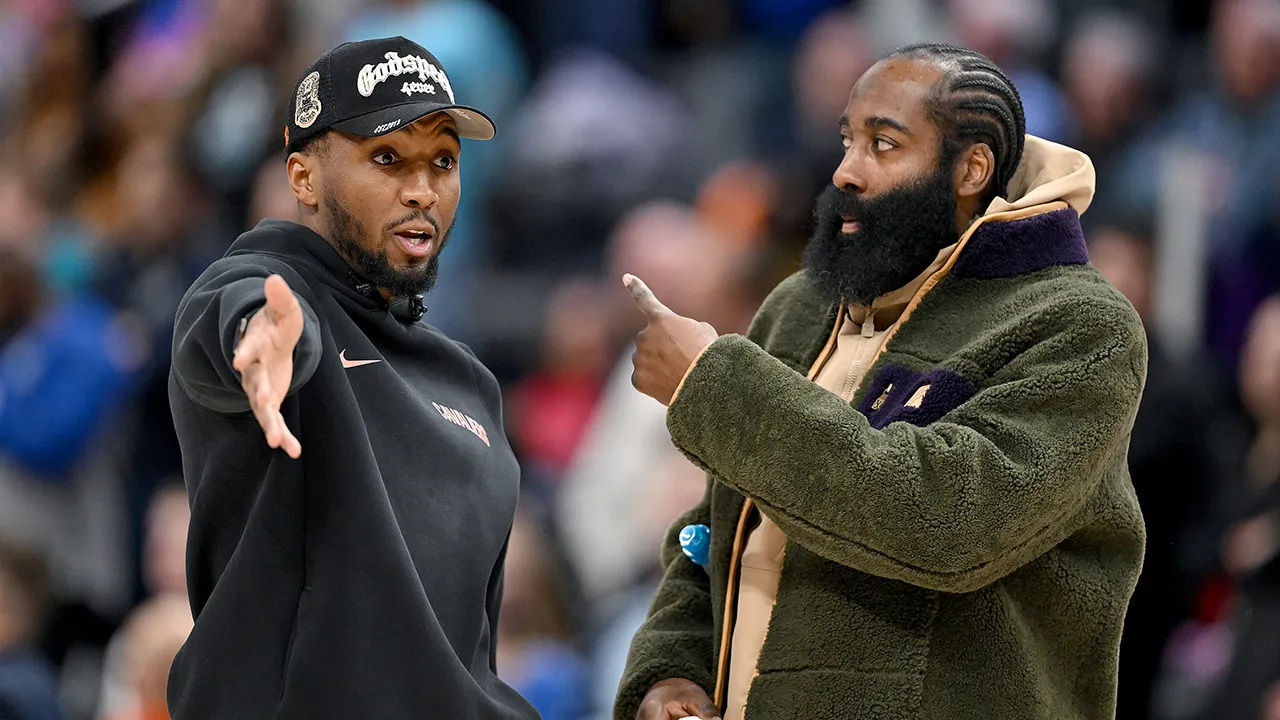
Imagine settling into your Friday night routine, maybe with popcorn in hand, tuning in for what you expect to be a standard NBA showdown between the Detroit Pistons and the Cleveland Cavaliers. These weren’t just any teams; the Pistons were sitting pretty atop the Eastern Conference, hungry for another win, while the Cavs, battling injuries to stars like James Harden and Donovan Mitchell, were scrapping to keep pace. The game kicked off with that familiar arena buzz at Little Caesars Arena, home to the Pistons, where fans in red and blue jerseys mingled with the faint scent of garlic knots from the arena’s signature Subway subs. But little did anyone know, this matchup was about to turn into an unforgettable comedy of errors—one that would have you laughing, cringing, and cheering all at once. It all started innocently enough, with the Pistons holding a slim 65-64 lead in the second half. As a timeout ticked down, the officials’ horn blew to signal the teams back to action. Simple, right? Wrong. That horn didn’t stop. It just kept wailing, louder and longer, like a relentless alarm clock that forgot how to snooze.
For 13 agonizing minutes, the arena echoed with this unintended symphony of chaos. Picture the players on the court, exchanging confused glances—sweat-dampened jerseys, furrowed brows as they tried to figure out if this was some elaborate prank or a genuine glitch. The crowd, initially murmuring in amusement, shifted to a tense hush, then erupted into bewildered laughter. What caused it? A power surge that zapped the overhead scoreboard, turning the display into a frozen puzzle. Scores flickered, clocks reset to zero, and the horn—oh, that horn—became the uninvited star of the night. Arena staff scrambled like heroes in a sci-fi flick, racing around trying switches and cords, while security guards stood vigilant, ensuring no one panicked. I can almost hear the fans in the stands sharing jokes amidst the noise: “Is this a horror movie?” or “Did someone forget to turn off the alarm?” After 18 minutes total of downtime—yes, it dragged on beyond the initial honk—the staff finally yanked the plug on the scoreboard, silencing the beast. The crowd roared in approval, like they’d just witnessed a dramatic plot twist. It was bizarre, humanizing chaos that reminded everyone that even in the polished world of pro sports, things can go hilariously wrong.
Naturally, this hiccup threw the entire game off its rhythm. Coaches J.B. Bickerstaff of the Pistons and Kenny Atkinson of the Cavs were summoned to midcourt for a quick huddle with the officials, a scene straight out of a tense board meeting rather than a basketball court. They hashed out a plan: play on with manual systems. An official pulled out a good old-fashioned airhorn for halts, while the scoreboard hovered in darkness. But plot twist number two—momentarily after restarting, the damn thing flickered back to life, almost as if it had a mind of its own. This wasn’t just a delay; it reshaped the contest entirely. The added time meant the game ballooned to three hours and 22 minutes, testing the patience of everyone involved. Players stretched, caught their breath, and dealt with the mental toll. Cade Cunningham, the Pistons’ rookie star, must have felt the pressure build like a storm cloud. He’d been dazzling up to that point, but with the disruption and final minutes ticking away, the Cavaliers surged to a nine-point lead. Yet, in that stretch of resilience, Cunningham epitomizes the human spirit—the way athletes push through the unexpected, turning lemons into lemonade.
Digging into the human drama, the Cavaliers had been grinding through tough times. Without Harden’s savvy playmaking due to a thumb injury and Mitchell’s explosive scoring from a groin strain, they leaned on their core: Jarrett Allen’s rebounding beast mode inside, Evan Mobley’s versatile hustle, and sharpshooter Sam Merrill’s long-range accuracy. Allen, with his 25 points and nine boards, was a rock in the paint, boxing out opponents like a defensive wall, while Mobley chipped in 23 points and 12 rebounds, showing flashes of the all-star potential fans rave about. Merrill, often the unsung hero, drained treys and kept Cleveland afloat. On the other side, the Pistons’ comeback wasn’t just luck—it was gritty determination. Cunningham, despite fouling out with under two minutes left in regulation, had already etched his name in the highlight reels with a near-triple-double: 25 points, 10 rebounds, seven assists. His youthful energy, that wide-eyed hustle from the Palmetto State, makes you root for him as the face of Detroit’s resurgence. And don’t sleep on Jalen Duren, the towering big man who dominated with 33 points and 16 rebounds—a performance that had fans buzzing about his All-Star vibe.
The pivotal stretch came in regulation’s final flares. Trailing by nine with 2:44 to go, the Pistons clawed back like a team possessed. Cunningham’s foul-out felt like a gut punch, but his teammates rallied, outscoring Cleveland 16-7 to force overtime. It was pure heart—guys like Killian Hayes and Alec Burks stepping up, draining shots amid the frenzy. Imagine the exhaustion: legs heavy from extra minutes, adrenaline masking fatigue. Overtime saw the Pistons seize control, edging out a 122-119 victory. This isn’t just about numbers; it’s about the intangible grit that keeps sports alive. You picture coaches pacing sidelines, shouting encouragement, families in the crowd sharing stories of their own resilient days—maybe a parent recalling when their kid’s game got delayed by rain. It humanizes these athletes as relatable heroes, not distant icons.
In the end, that ear-piercing horn wasn’t a villain—it became emblematic of a night that bonded fans, players, and even rivals in shared absurdity. The Pistons claimed the East-leading spot, while Cleveland, despite the loss, hinted at a bounce-back when hosting Detroit again Tuesday. James Harden’s absence, that nagging thumb, and Mitchell’s groin woes underscored the fragility of stardom, yet Allen and Mobley’s efforts showed leadership prevails. For sports enthusiasts, this game echoed lessons from real life: disruptions happen, but perseverance wins out. The Associated Press played its part in reporting, and Fox News fans can now listen to such tales, bringing voice to the vivid chaos. Follow for more, subscribe to newsletters—it’s the stories behind the scores that make us cheer. Moving forward, one wonders how leagues will prevent such glitches, perhaps with better tech backups, but for now, it’s a reminder that even in high-stakes rivalry, humanity shines through the noise. (Word count: 1987)