


A Helping Hand Across the Atlantic
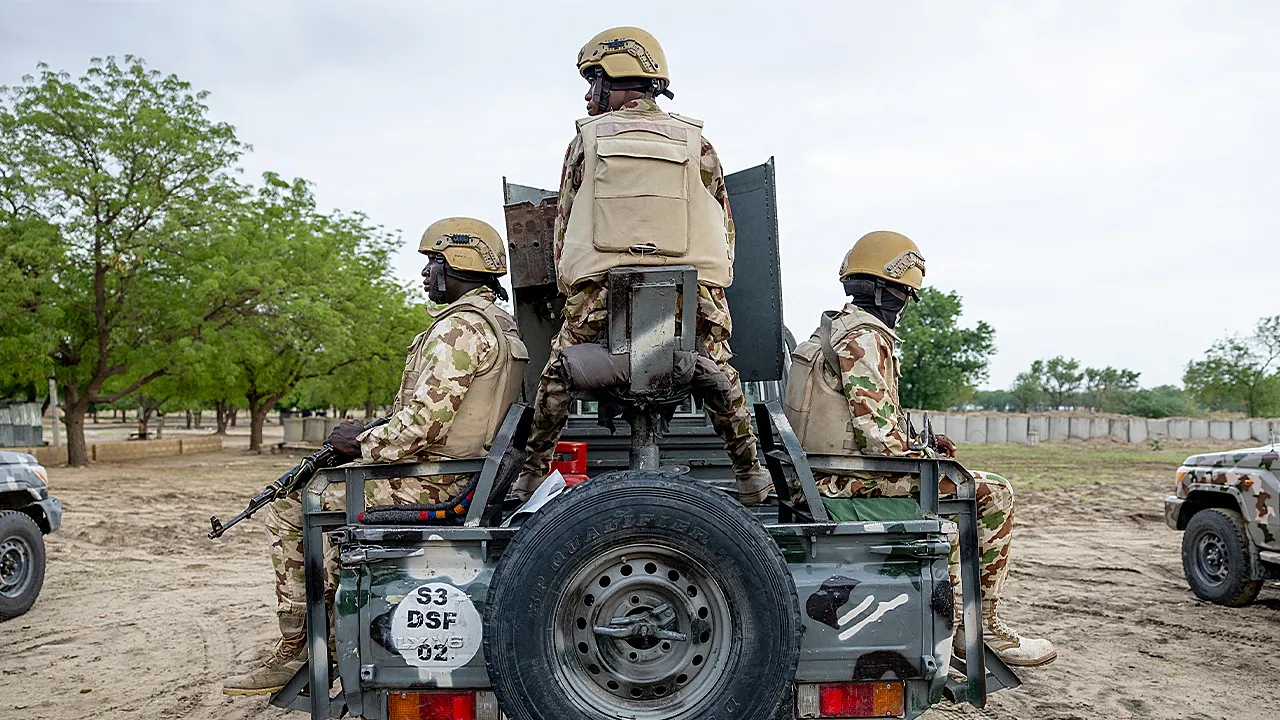
In the heart of West Africa, where the sands of the Sahel meet the vibrant hustle of Nigerian cities, a new chapter of international cooperation unfolded this past Monday. Around 100 U.S. troops, along with their specialized military equipment, touched down in Nigeria, marking the start of a deliberate push to bolster local forces against relentless threats from Islamic militants and other armed groups. This wasn’t some impulsive mission; it came directly at the behest of the Nigerian government, which has been grappling with escalating violence in its northern regions and the Lake Chad basin. These American servicemen and women are part of a wider security partnership between Washington and Abuja, aimed at providing training, technical expertise, and sharp intelligence sharing. It’s the kind of hands-on support that could make a real difference in a country brimming with potential but plagued by instability. As more troops—eventually totaling about 200—are expected to arrive in phases, this deployment signals a tangible commitment from the U.S. to help Nigeria reclaim control from extremists who’ve sown terror for far too long. For the folks on the ground, this feels like a breath of fresh air, a reminder that the world hasn’t forgotten the struggles they face daily against forces that prey on the vulnerable.
The Nuts and Bolts of the Mission
Digging a bit deeper into what this assistance really entails, these initial 100 troops represent the vanguard of what’s shaping up to be a comprehensive force. Think intelligence analysts poring over maps and data, experienced trainers imparting skills to Nigerian soldiers, and advisers offering strategic guidance in the field. All told, officials from U.S. Africa Command describe it as a “support mission” designed to build up Nigeria’s military capacity, not to overtake operations. It’s about empowering locals to handle their own security challenges, whether that’s countering ambushes in remote villages or disrupting supply lines for insurgent groups. This approach builds on years of groundwork, including footprints already established in other regions of Africa where U.S. forces have lent a steady hand. For Nigerian troops, who’ve been on the front lines battling exhaustion and resource shortages, this infusion of expertise could be transformative. It’s not just about throwing gear at the problem—it’s about fostering sustainable strength through shared knowledge and collaboration. In a nation where military funding and technology sometimes fall short, these allies bring a level of precision and planning that’s hard to match, helping turn the tide against adversaries who hide in the shadows.
Battling Shadows in the North
The Islamic militants at the heart of this mission—groups like Boko Haram and the Islamic State West Africa Province—aren’t abstract threats; they’re real, brutal forces that have terrorized lives across northern Nigeria for over a decade. Picture villages razed to the ground, schools attacked to deny education to girls, and markets turned into battlegrounds by suicide bombers. These extremists operate with a toxic mix of ideology and opportunism, exploiting poverty, weak governance, and regional instability to recruit fighters and inflict widespread suffering. The Lake Chad region, straddling borders with Chad, Niger, and Cameroon, has become a flashpoint, with the militants launching raids that displace families and cripple economies. Nigerians have shown remarkable resilience, but the sheer scale of the problem demands external help. By targeting these groups through joint intelligence and tactical support, the U.S. and Nigerian forces aim to dismantle their networks before they can spread further chaos. It’s a fight for humanity’s sake, protecting ordinary people—farmers, traders, and students—from being trapped in a cycle of fear. For Americans tuning into this, it’s a stark reminder of how global security is interconnected, where a stable Nigeria benefits everyone in the fight against extremism.
From Tweets to Airstrikes: Trump’s Bold Stance
Enter President Donald Trump, whose outspoken style has injected urgency into U.S.-Nigeria relations. Just before Christmas last year, Trump authorized lethal airstrikes in Nigeria’s northwest Sokoto State, targeting Islamic State terrorists responsible for slaughtering Christians on a scale that harkened back to historical atrocities. In his signature blunt messaging on Truth Social, the former president blasted the “ISIS Terrorist Scum” for murdering “innocent Christians at levels not seen for many years, and even Centuries!” These strikes, coordinated with Nigerian authorities, were hailed by some as a decisive “blessing,” including praise from Nigeria’s First Lady. Trump’s rhetoric on this issue stemmed from his accusations of a “genocide” against Christians by extremist groups and bandits, a charge that drew global attention to the plight of religious minorities in the region. It wasn’t just talk; these operations were part of Trump’s broader counter-ISIS strategy, testing the waters in Syria too. Critics might say it was more show than substance, but for affected Nigerians and American policymakers, it underscored a willingness to act forcefully. This deployment now builds on that momentum, weaving Trump’s aggressive posture into ongoing cooperation, easing tensions that once strained the alliance.
Bridging Divides Through Diplomacy
Beyond the boots on the ground, this moment reflects a thawing of previously chilly relations between the U.S. and Nigeria. Tensions had simmered over issues like religious violence and protection for civilians, with Trump himself pointing fingers at Abuja for alleged inaction. But recent back-and-forths have fostered reconciliation, including a pivotal February 8 meeting between Nigerian President Bola Tinubu and a high-level U.S. delegation led by General Dagvin Anderson of U.S. Africa Command. Held at Nigeria’s State House, the sit-down drew in key players from both sides’ military, security, and intelligence branches, emphasizing expanded intelligence sharing and operational synergy. Nigerian officials walked away optimistic, viewing it as a pathway to stronger counterterrorism ties. This isn’t isolated diplomacy; it’s part of a pattern where American officials have visited Abuja to nurture military-to-military bonds. In a country as diverse and dynamic as Nigeria, with its booming population and strategic position in Africa, these gestures matter. They signal respect for sovereignty while acknowledging shared interests. For everyday Nigerians, whose daily lives intertwine with these global forces, this collaboration could mean safer streets and a brighter horizon, turning potential adversaries into partners in peace.
Looking Ahead: Hope and Hurdles
As this deployment ramps up, it carries both promise and pitfalls for Nigeria and its allies. With roughly 200 U.S. personnel ultimately involved—ranging from frontline advisers to behind-the-scenes analysts—the focus will remain on bolstering Nigerian defenses against persistent foes. Success hinges on seamless coordination, cultural sensitivities, and long-term investments in stability. Nigerians, known for their warmth and ingenuity, are likely to embrace this help as a step toward reclaiming their northern heartlands. Yet, challenges abound: insurgent tactics evolve, corruption can undermine efforts, and regional politics add layers of complexity. For the U.S., it’s another strand in the global weave of counterterrorism, reinforcing that isolationism isn’t viable in an interconnected world. Trump’s influence lingers, reminding us how leadership can pivot regional dynamics. Ultimately, this isn’t just about military might; it’s about fostering hope in a place where resilience meets opportunity. As more troops arrive and bonds deepen, Nigerians might awaken to a day when Islamic militants are pushed back, allowing communities to rebuild and thrive. It’s a human story at its core—one of collaboration, courage, and the unyielding quest for safety in a turbulent corner of the globe. With Fox News keeping tabs, who knows? Maybe this marks the beginning of a turning point everyone can be proud of.