



Guy Fieri is that larger-than-life figure who’s taken the culinary world by storm with his enthusiasm for everything from diner classics to hidden gems across America. As the host of “Diners, Drive-Ins and Dives,” he’s become the self-appointed Mayor of Flavortown, diving into bold, unconventional dishes with infectious energy. But even someone as adventurous as him has boundaries—lines he just won’t cross. It’s fascinating to peek behind the curtain of a guy who’s tasted everything from deep-fried Oreos to spicy ramen, only to discover that some everyday foods make him shudder. These aren’t obscure delicacies; they’re things many of us encounter on a regular basis. In this breakdown, we’ll explore six foods that Fieri steers clear of, blending his reactions with a bit of backstory to humanize the experience. It’s not just about listing dislikes; it’s about understanding how personal tastes shape who we are, even for a celebrity chef. Fieri’s journey started with simple beginnings, growing up in California with a passion for flavors, but his palate has limits that remind us flavor is subjective. As we delve into each aversion, imagine sitting with him at a diner counter, hearing him recount these moments with his trademark swagger and honesty.
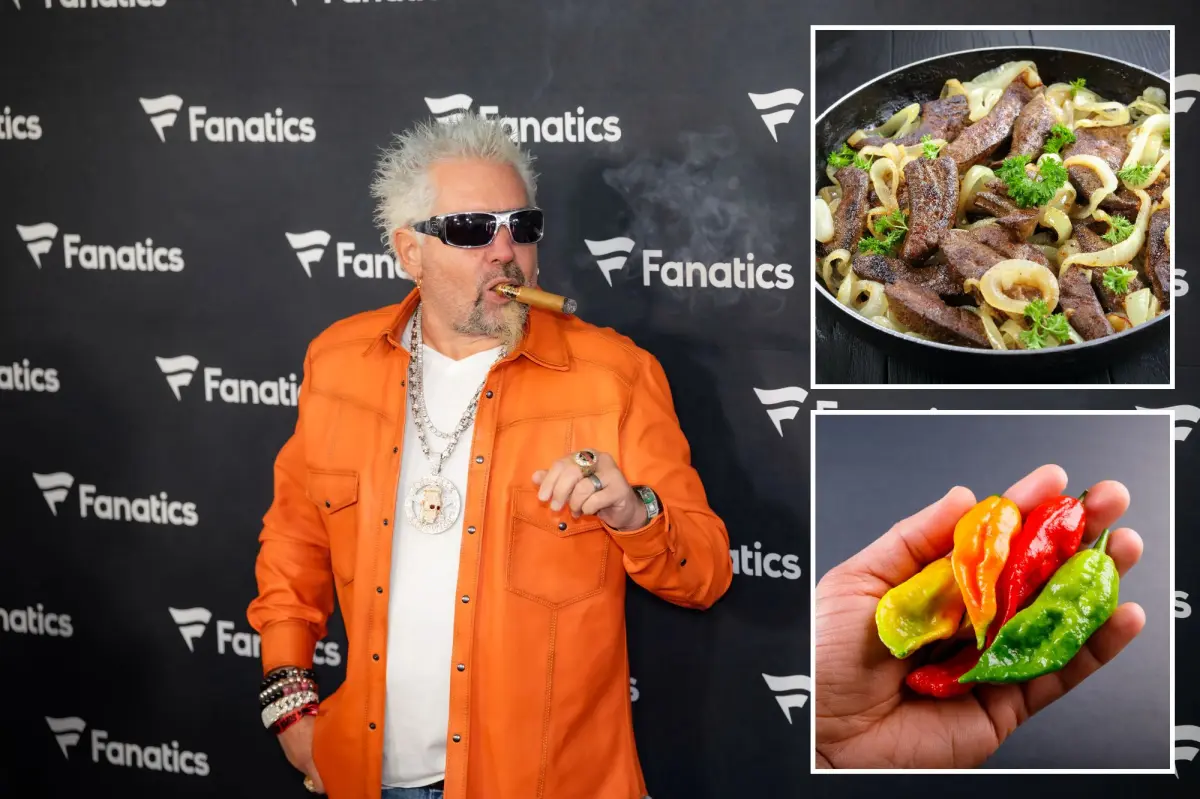
When it comes to spicy foods, Guy Fieri is a legend—he’sFN built a reputation on handling heat that would melt lesser mortals. But there’s one pepper that even he approaches with caution: the ghost pepper, also known as Bhut Jolokia. This bad boy tops out at around one million Scoville heat units, making it one of the world’s hottest chillies, according to experts like Chowhound. On his show, Fieri has tackled dishes infused with these fiery devils, like wings and sauces, but he’s never all in. In one memorable segment, he joked that the ghost pepper was “gonna eat my soul,” and you could see the reluctance in his eyes. It wasn’t just about the spiciness overwhelming his senses; it was a threshold where enjoyment turned into endurance. Imagine the pressure on him—always performing, always encouraging folks to try wild things, yet here he was, admitting his limits. This aversion might stem from a deep respect for heat, knowing when it’s too much to handle gracefully. Fieri’s love for spicy food comes from his Italian-American roots and time spent in kitchens experimenting with Cajun and Southwestern influences. But ghost peppers cross that line into pain rather than pleasure, a reminder that even thrill-seekers have their edges. In conversations with fans, he talks about how taste buds can change over time, but this one stays off-limits. It’s relatable for anyone who’s ever winced at a sauce that’s just too intense— that moment where you question if the burn is worth the flavor. This particular dislike highlights Fieri’s humanity; he’s not invincible. Instead of pushing through, he opts for curiosity over compulsion, shaping how he interacts with diners who serve such dishes. Overall, it adds a layer to his persona, showing that even the Mayor of Flavortown has room for trepidation.
Moving from fiery to downright bizarre, let’s talk about peanut butter hamburgers—a combo that sounds playful and inventive, perfect for Fieri’s show. But for him, it’s a swipe right on the surface, then a hard left turn. During an episode in Indiana, he bit into a cheeseburger slathered with peanut butter and flat-out declared, “I absolutely don’t enjoy that at all … I wanna go home.” It wasn’t the peanuts alone; it was the clash of savory and sweet, the unctuous texture messing with expectations. Yet, he gave it a second chance at a California joint, and while it was better this time, it still didn’t sway him. This reaction isn’t just personal; it’s a window into how flavors can surprise us. Fieri’s upbringing in California, with its blend of cultures, made him open to fusion, but this particular mash-up hits a wall. Peanut butter, creamy and nostalgic from childhood PB&Js, paired with ground beef, creates an odd dissonance—sweet against savory in a way that’s polarizing. He’s sampled countless unconventional burgers, from foie gras to kimchi, but this one triggers a visceral “no.” It’s humanizing because it shows vulnerability; even experts can encounter textures and tastes that just don’t click. Fieri often jokes about it in interviews, saying it feels like an experiment gone wrong, reminding viewers that not every bold idea lands. As someone who’s embraced American diners’ quirks, this aversion teaches us taste is interpretive, tied to memories. If he’s ever tried it with kids, they might love the novelty, but for him, it’s a reminder to keep some boundaries. In the broader culinary landscape, it’s a quirky example of how regional specialties can divide palates, even one as adventurous as his.
Organ meats seem to be a recurring nightmare for Fieri, and cow brains take the cake—or should I say, the brains? In Oklahoma’s Cattleman’s Steakhouse for Season 7 of his show, he sampled fried cow brains and visibly struggled with the texture, which Mental Floss notes is a common turn-off for many. Brains often come mixed with eggs, hitting double trouble since both eggs and offal are big no-gos for him, as reported by The Daily Meal. This isn’t just a “meh” reaction; it’s a full-on grimace, highlighting how texture can outweigh taste. Fieri’s background as a chef means he’s no stranger to ingredients, but the spongy, almost custard-like feel of brains crosses into disturbing territory for him. Some cultures prize brains as delicacies, dating back centuries, but in his experience, it’s a deal-breaker. It’s humanizing because it taps into that primal “ew” factor we all have—think about trying something that looks and feels unexpectedly alien. His aversion might stem from a childhood wariness of anything “weird,” compounded by his role as a TV star where visuals matter. On the show, he handles it with humor, but privately, it’s clear it’s a hard pass. This ties into broader discussions about food aversions, how they’re often tied to familiarity. Fieri’s love for bold flavors stops at organ meats, suggesting even enthusiasts have untouchable zones. In interviews, he recounts the moment with candor, laughing it off but admitting the texture haunts him. It’s relatable for those who’ve balked at tripe or sweetbreads, understanding that not every culinary adventure has a happy ending.
Haggis, Scotland’s national dish, doesn’t fare any better in Fieri’s book, falling squarely into his offal avoidance zone. Traditionally made from sheep’s heart, liver, and lungs mixed with oats and spices, it’s a hearty staple, though the lung-inclusive version is banned in the U.S. During Season 13 of his show, he tried beer-battered haggis balls at Mac’s Fish ‘N Chips in Santa Barbara, complimenting the seasoning but keeping his broader distaste for organ meats intact. This Scottish export is wrapped in history, symbolizing rugged traditions, but for Fieri, it’s another texture battle lost. Sampling it on camera shows his commitment to the job, but his body language speaks volumes—forced smiles betraying discomfort. It’s humanizing because it connects to personal boundaries; despite trying, he can’t pretend to love it. Haggis represents a clash of cultures—fiery American tastes meeting stodgy Scottish fare. Fieri’s Italian heritage might make him skeptical of non-beef offal, preferring pork or chicken innards if any. This aversion reminds us food preferences are cultural, shaped by upbringing. In podcasts, he shares how the oats and spices intrigued him, but the base ingredients repelled. Those who’ve ventured into British cuisine might empathize, knowing haggis isn’t for everyone. For Fieri, it’s a polite “no thank you,” prioritizing his gut instincts over experimentation. Overall, it adds depth to his character, showing he’s picky about foundations, not just toppings.
Liver and onions is a classic that’s landed on Fieri’s blacklist, reportedly making him say he “can’t even be in the same room” as the dish. Once dubbed America’s most hated food by Forbes, this nutrient-packed meal dates back to ancient Rome, where it was prized, according to Britannica. For Fieri, it’s a combination of iron-rich liver’s metallic tang and the mushy onions that grates. Sampling sessions highlight his revulsion—wincing, coughing, or joking through it to keep the show’s vibe. This isn’t new; it’s a lifelong aversion, perhaps from formative dining experiences. Humanizing this, it’s easy to picture him as a kid, pushed to eat it by family, building lifelong resistance. Liver’s dense, gamey flavor clashes with his preference for lighter, zippier profiles. Fieri’s career emphasizes fun foods—burgers, fries, not nonna’s forced veggies. This dislike stems from texture and taste synergy issues; the onions’ softness amplifies the liver’s heaviness. Interviews reveal he views it as medicinal rather than enjoyable, aligning with many who see it as nostalgic burden over dinner delight. It’s relatable for parents who’ve battled kiddos over vitamins disguised as food. Fieri’s honesty broadens appeal, showing even stars have aversions. This food represents a divide: comfort for some, cringe for others. In tours, he avoids spots if liver’s on the menu, prioritizing well-being. Ultimately, it underscores subjective flavor worlds.
Last but not least, eggs might seem the most shocking on Fieri’s hit list—basic, breakfast staples that he won’t touch as the main event. While he’ll sneak them into sauces or baked goods, standalone egg dishes like scrambled or fried? Oh no. In a 2024 Food Network clip, he likened scrambled eggs to “liquid chicken,” tracing his aversion to childhood traumas with chalky hard-boiled yolks. This isn’t just picky; it’s deeply ingrained. Eggs symbolize simplicity, yet for him, they’re a hurdle. Humanizing it, imagine young Guy choking down school cafeteria eggs, forever scarred. His Italian roots might prefer eggs in carbonara, not solo. This stems from texture—the slimy whites, rubbery yolks—over taste. Many share this, explaining why breakfast options vary. Fieri’s bold career includes egg-free adventures, focusing on proteins like bacon. Samplings on show reveal reluctance, yet he engages for authenticity. It’s cathartic to hear celebrities admit such basic dislikes, normalizing odd preferences. Eggs represent purity, yet trigger revulsion for him. Childhood memories shape palates, warning of early exposure risks. Fieri’s story inspires embracing aversions; not everyone loves basics. This final item closes his circle: even mayor cedes to taste limits, reminding us all flavors are personal. Embracing that, he’s open about it, fostering connections over shared dislikes. In essence, these six foods map his taste universe, blending thrill with humanity. Fieri’s tale shows culinary experts remain human, vulnerabilities endearing. As we reflect, his aversions teach bold exploration, but balance with boundaries. Life’s rich with flavors, but not all suit every palate—this culinary canvas proves just that.