



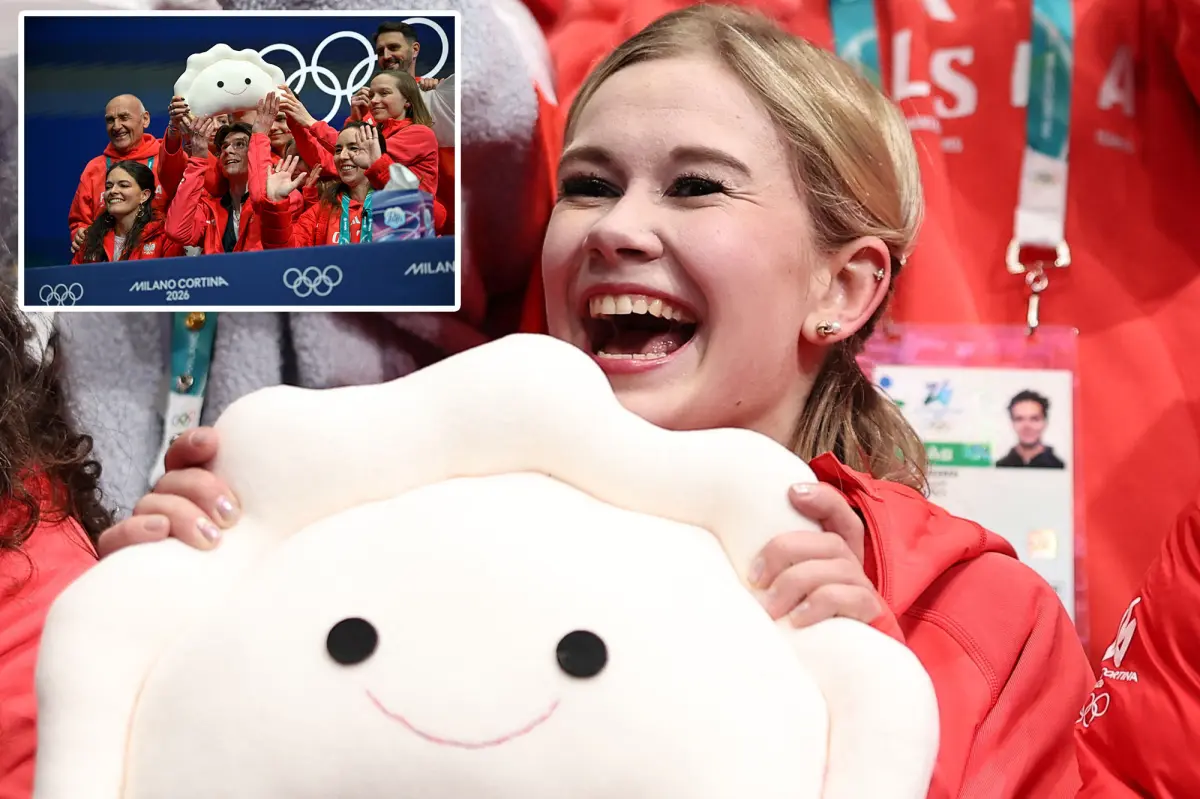
During the magical whirlwind of the 2026 Winter Olympics, heartwarming moments have always been the soul of the Games, reminding us why we fall in love with sports and shared human experiences. This year, one tiny, adorable interloper stole the show: a whimsical pierogi plushie, affectionately dubbed “Pieroguszki” or “Little Pierogi,” that turned heads and melted hearts worldwide. As teams battled in speed skating, snowboarding, skiing, and figure skating, this fluffy dumpling mascot became an unexpected star, waving enthusiastically from the sidelines. It’s the kind of simple joy that makes you smile, like discovering a childhood toy in the middle of a global event. I remember watching these moments and feeling that warm, fuzzy pull—it’s like the Olympics remind us of the little pleasures in life, especially when a stuffed dumpling crashes the party.
Team Poland arrived at the Games with fierce competitors, ready to represent their nation with grit and skill. But amidst the high-stakes races and performances, it was the pierogi plushie that truly won the popularity contest. Carried by Polish athletes like ice skater Magdalena Tascher, who waved it proudly even after her team’s 10th-place finish—a historic first for Poland in team skating—the mascot became a symbol of resilience and pride. NBC Olympics & Paralympics couldn’t resist sharing its charm on X, posting, “Team Poland has a pierogi plushie that they bring around to events at the #WinterOlympics…and we just thought you should know that.” It traveled from event to event, cheering on the squad like a loyal cheerleader, embodying Poland’s rich cultural heritage through one of its most beloved traditional foods. As someone who loves a good underdog story, this plushie feels like a personal triumph—it turns competitors into everyday heroes, proving that sometimes, it’s the soft, squishy things that rally us together.
Diving deeper, this isn’t just any stuffed toy; it’s a handmade treasure crafted by Luft, a special workshop in Katowice dedicated to people with disabilities. They create these pierogi plushies through engaging craft sessions, turning what could be ordinary stuffed dumplings into symbols of creativity and community. Luft even expressed touching gratitude on Instagram, saying they were “touched and grateful” to see their “Dumpling” journey to the Games and captivate fans globally. Right now, production is on a brief pause due to winter illnesses, but they’re gearing up to restock and share more. It’s stories like this that humanize the Olympics—reminding me of the real people behind the scenes, those with disabilities finding joy and purpose in crafting something so simple yet profound. You can’t help but root for them, just as you cheer for the athletes.
Unsurprisingly, the plushie’s viral fame has sparked a worldwide appetite for ownership. Social media buzzed with fans desperate to get their hands on one, from someone in the USA crying out, “I’m in the USA & would love to buy one and support!” to a third-generation Polish immigrant in NYC begging for a piece. Comments poured in, urging Luft to ship internationally and capitalize on the Olympic spotlight. It’s endearing how this little mascot bridges cultures and generations, making you feel like you’re grabbing a slice of Poland’s heart. As a storyteller, it warms my heart to see people connect over something so innocent—it’s the kind of cross-border love that transcends language and distance.
For those eager to claim their own pierogi plushie, options abound despite Luft’s current sold-out status. Sites like olympicspierogiplushie.com offer them for $16.99 each, with bundles for two, three, or four, probably crafted to mimic the magic. Even Walmart jumps in with a similar lookalike for $22.99, letting anyone feel part of Team Poland without the hassle. It’s a nod to accessibility, ensuring fans worldwide can own a piece of the fun. Personally, I’d love to have one on my shelf—it’d be a constant reminder of the joy these Games bring, like a plush abstract of Olympic spirit.
To make it even more interactive, the Polish ice skating team launched an Instagram contest to name the plushie, inviting ideas from fans everywhere. They’re also jokingly aiming to gift one to superstar Snoop Dogg, who’s become an unlikely Olympic icon. It’s playful, human moments like these that elevate the Games beyond competition—turning athletes into relatable friends having a blast. If I were there, I’d chime in with name suggestions, feeling like part of the family. Ultimately, this pierogi plushie isn’t just a mascot; it’s a beloved companion, proving that in the world of sports, it’s often the unexpected, cuddly elements that leave the lasting impact, uniting us in laughter and pride. Who knew a dumpling could inspire such global affection? Yet here we are, forever changed by its charm.