



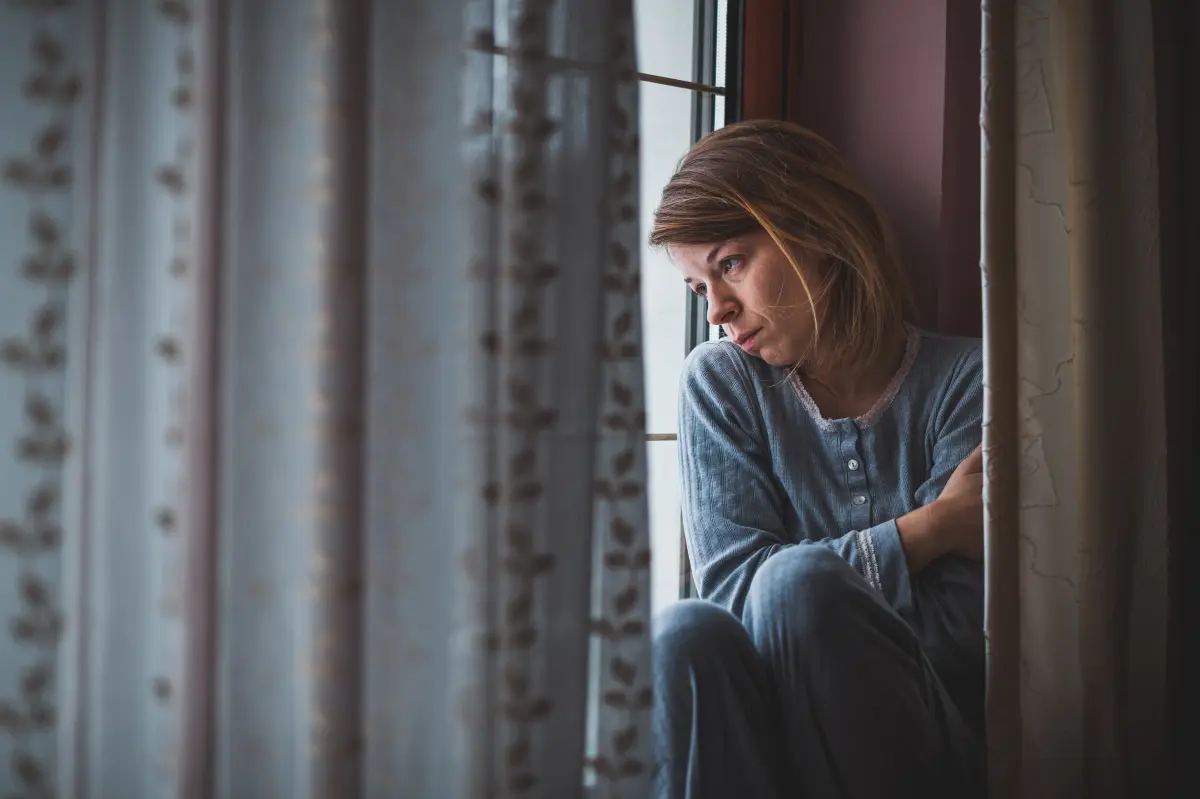
In the quiet suburbs of a small town in the East, where the maple trees turned golden in autumn and family legacies lingered like faded photographs, lived a woman named Elena, who had been married for over thirty years to her husband, Mark, a man now in his sixties with the weight of unspoken family burdens on his shoulders. Mark’s brother, Al, two years his junior, had lived rent-free in their late mother’s house for 35 years, a situation that started innocently during their mother’s decline but evolved into a web of deceit and dependency. When their mother passed away seven years ago, in her will, she entrusted the house to Mark, but Al never left. Instead, he spun stories about moving out “any day now,” a promise that lulled Mark into complacency while Elena saw the red flags of squatter’s rights lurking like a storm cloud. She tried to voice her concerns to Mark, suggesting that Al might never depart, but each attempt ignited his temper, leading to verbal lashings that left her feeling trapped in her own home. Mark’s denial ran deep, rooted in a mix of loyalty and avoidance, and as the years dragged on, his sense of frustration morphed into something darker. Now, facing the reality that Al wasn’t budging, Mark’s abusiveness escalated; he hurled threats, slammed doors, and even turned violent toward their beloved dog, Rocky, when Elena brought up marriage counseling. With loaded firearms in the house and Mark claiming he wanted a divorce but couldn’t afford it, Elena felt the walls closing in, her safety eroding with every outburst. She recounted nights lying awake, hearing Mark pace, her mind racing with fears of what might happen next, and the hollow ache of feeling undervalued after three decades of commitment.
Abby Van Buren, the seasoned advice columnist known for her no-nonsense wisdom, read Elena’s letter with a heavy heart, recognizing the telltale signs of escalating domestic abuse that could spell disaster if left unchecked. In her response, Abby didn’t mince words: Elena needed immediate support beyond the confines of a letter, emphasizing that Mark’s behavior—shifting from verbal threats to physical harm against their dog—was a clear indicator that violence could next target her. Drawing from decades of counseling those in crisis, Abby urged Elena to reach out to the National Domestic Violence Hotline at 1-800-799-7233, where trained advocates could map out a safe escape plan, perhaps securing emergency shelter or coordinating with local services to keep her and her pet protected. Abby also insisted on consulting a lawyer to explore protective orders and filing police reports for the threats, underscoring that while Mark might balk at divorce costs, the peril of inaction was far greater—potentially life-altering. She empathized with Elena’s pain, having heard similar tales from countless readers trapped in marriages where love curdled into fear, and reminded her that acknowledging the problem was the first step toward reclaiming her life.
Across the country, in a sun-drenched coastal town where retirees gathered for morning walks along the beach, another woman wrestled with a different kind of marital strain: age, appearance, and the sting of ego-driven insecurity. Clara, at 71, had shared 40 years of life with her husband, Sam, who at 76 defied time itself—his hair still thick with minimal gray, his face unlined, his body toned from regular exercise. By contrast, Clara embraced her silver locks, refusing dye despite their profusion, and her face bore the deep wrinkles and neck sagging that marked the passage of decades. She was fit too, walking trails and swimming laps, but the mirror reflected her age with unflinching honesty. What gnawed at Clara wasn’t just the disparity; it was how strangers reacted when they encountered the couple—invariably exclaiming to Sam how “young” and vibrant he looked, often leaving Clara feeling like an afterthought, perhaps even mistaken for his mother. Each incident triggered a cycle where Sam would fixate on the mirror for days or weeks, not in vanity, but perhaps in quiet unease, while reminding Clara aloud or subtly that she was “lucky” to have such a handsome partner. His ego, always present, seemed to swell with these validations, leaving Clara feeling diminished, her years of support—through family stresses and personal disappointments—eclipsed by this superficial attention. She wondered aloud in her letter to Abby how to break the spell, how to coax him from his self-absorption without adding to the tension that already defined their later years.
Abby, ever perceptive and compassionate, saw through the letter’s hurt and suggested that the mirror-gazing might stem not from pure ego but from underlying insecurity, a shield against the aging process everyone faces. She gently challenged Clara’s assumption about what Sam might be thinking, pointing out that genetics play an unpredictable role—who knows why Sam remains so youthful-looking while Clara’s features tell her story clearly? To address Clara’s self-doubt, Abby advised consulting a dermatologist for simple, non-invasive procedures like fillers or skin treatments that could soften wrinkles and boost confidence, turning self-perception around without altering one’s essence. But she also encouraged Clara to confront the issue openly with Sam, perhaps sharing her feelings during a quiet evening, framing it as a plea for mutual empathy in their golden years. Abby drew from her own insights, having advised countless couples on aging and relationships, stressing that beauty fades but love endures if nurtured with kindness and understanding. For Clara, it was a reminder that worth wasn’t measured by strangers’ gazes or mirror reflections but by the shared history of a four-decade partnership.
The essence of these stories, as chronicled by Abigail Van Buren—pen name of Jeanne Phillips, daughter of the iconic Pauline Phillips who first brought Dear Abby to life in 1956—lies in their raw humanity: the exhaustion of unresolved family ties, the erosion of trust in marriage, and the invisible battles with self-image that plague even long-term loves. Jeanne, born in 1942, grew up observing her mother’s role as a beacon for millions, and today, at Dear Abby, she continues that legacy by addressing the intimate struggles readers confide, from domestic turmoil to personal insecurities. The column, syndicated nationwide, serves as a digital and postal lifeline through www.DearAbby.com or P.O. Box 69440 in Los Angeles, where anonymity allows people like Elena and Clara to unburden themselves. It’s a testament to how advice can humanize chaos, offering not judgments but practical paths forward, whether escaping danger or fostering self-acceptance. Amid society’s focus on perfection, Abby reminds us that true strength comes from vulnerability and seeking help, transforming isolated pains into shared wisdom.
In reflecting on these dilemmas, one can’t help but feel a pang of empathy for the wives at their cores—Elene, trapped in a cycle of abuse fueled by familial obligation, and Clara, diminished by comparisons that highlight a partner’s resilient youth. Their stories echo broader truths about relationships: that love can survive decades yet crumble under unmet needs, unresolved conflicts, or unseen emotional voids. Abby’s counsel, rooted in experience and compassion, advocates for action—calling hotlines, seeking legal aid, exploring self-care—to rebuild lives tarnished by dysfunction. It’s a call to prioritize safety and self-worth, recognizing that no one deserves abuse or to fade into insignificance. For readers consuming these columns over morning coffee, they serve as mirrors, prompting introspection about their own marriages and insecurities, reminding us that behind advice columns are real lives seeking clarity.
Ultimately, Abby’s enduring impact, spanning generations since Pauline’s debut in 1956, underscores the power of empathetic listening in a disconnected world. Letters pour in daily, unveiling heartbreaks and triumphs, and through terse responses, Abby humanizes them by urging change, not complacency. For Elena, it’s about fleeing peril before it worsens; for Clara, it’s about embracing individuality and confronting patterns. This legacy isn’t just columns—it’s a cultural touchstone for personal growth, encouraging dialogue, therapy, and self-reflection. As societies evolve, with aging couples facing new pressures from media beauty standards and economic strains, Abby’s advice remains timeless: protect yourself, communicate honestly, and remember that true partnership honors all parts of you. In summing up these tales, we’re left with hope—that life’s complexities, once vented and addressed, can lead to gentler days for the uneasy and the overlooked alike. And perhaps, in reading their stories, we find our own, humanized and healed in the process.