

The Buzz Around the Harden Trade
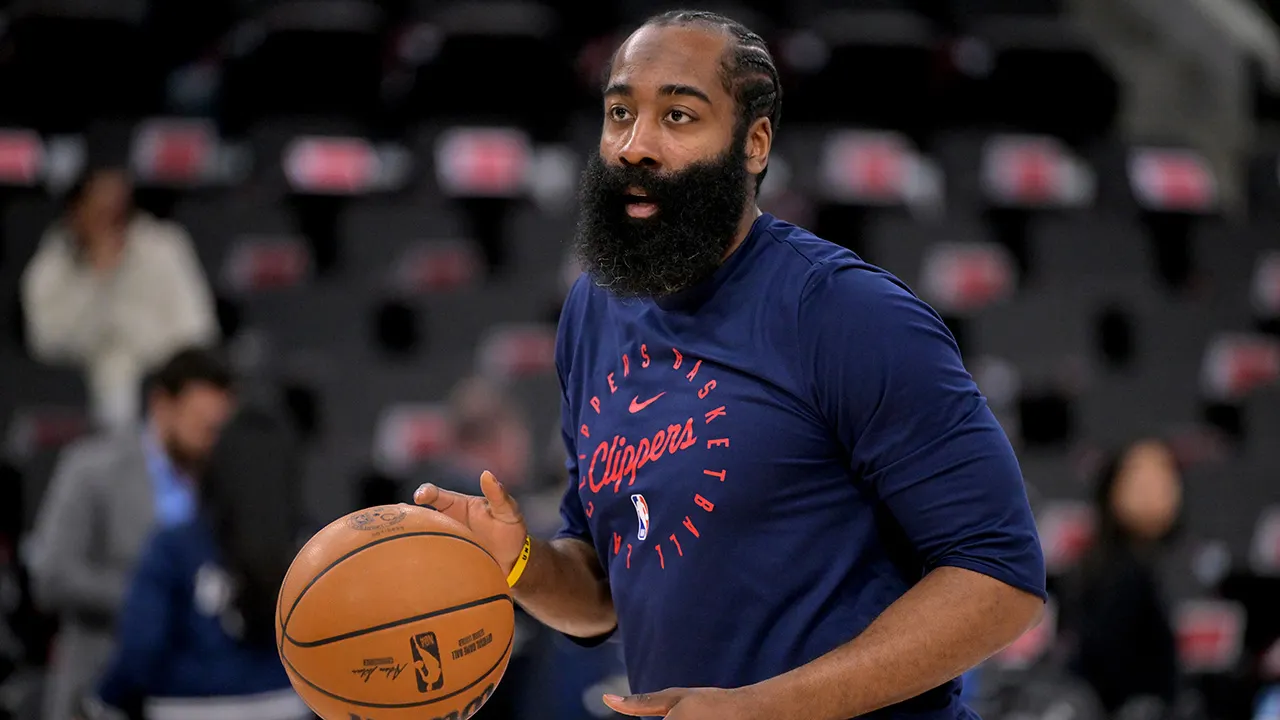
Hey everyone, let’s chat about this bombshell that’s been shaking up the NBA world like a sudden earthquake in the middle of a playoff hunt. Picture this: the Los Angeles Clippers, who were supposed to be the flashy, star-studded squad ready to contend for the championship, are parting ways with their high-profile veteran guard, James Harden. Yeah, the same James Harden we’ve all come to know and love—or sometimes shake our heads at—for his flashy handles, his clutch shots in the fourth quarter, and those unforgettable tirades on the sidelines when things don’t go his way. Now, he’s heading to the Cleveland Cavaliers in a trade that feels like a plot twist nobody saw coming. It’s not just any deal; it’s one that’ll have fans dissecting it for weeks. What’s even more surprising is that the Clippers are getting back Darius Garland, the smooth playmaker from Cleveland, along with a second-round draft pick. I mean, Harden at 36 is still dropping 25.4 points, dishing out 8.1 assists, and grabbing 4.8 rebounds per game—that’s elite level for most folks, but in LA’s high-stakes environment, it seems like things just didn’t click perfectly. I’ve always thought of trades like this as the human side of sports: players aren’t just chess pieces; they’re real people with families, egos, and dreams. Harden’s time in LA must’ve been a wild ride—brought in alongside Kawhi Leonard and Russell Westbrook to form a superteam, but injuries and chemistry issues turned it into more of a bumpy rollercoaster. As a fan, I can’t help but feel a bit nostalgic, remembering Harden’s days in Houston, where he practically redefined the guard position, blending isolation scoring with crafty passing in a way that left defenses dizzy. Trading him away now, right when he was averaging those big numbers, makes you wonder—were the Clippers looking to trim the payroll? Or was it about giving younger guys like Kawhi and Paul George more space to shine? It’s fascinating how these decisions ripple through the league, affecting not just the teams but the players’ legacies. Harden’s resume already includes an MVP award, countless All-Star nods, and that 2018 Finals run with the Rockets, so wherever he lands, he’ll bring that swagger. But Cleveland? That’s a fresh start for a guy who’s been traded four times in his career already. It’s human, you know—players aren’t robots; they have preferences, deal-breakers, and maybe some internal frustrations bubbling up. I recall Harden once joking in an interview about how trades feel like “being passed around at a family gathering,” and it’s funny because that’s exactly it: sudden, unexpected, and everyone trying to figure out the next step. Fans are already speculating: will this trade rejuvenate Harden or just be another chapter in a storied but nomadic career? For the Clippers, it could signal a shift towards a more streamlined offense, ditching the ball-dominant style Harden championed for something more Kawhi-centric. It’s all so unpredictable, and that’s what keeps us glued to the court night after night.
Diving Into Harden’s Impressive Stat Sheet
When I think about James Harden’s game this season, it’s hard not to get pumped up imagining him in action—could he really be traded? His averages of 25.4 points, 4.8 rebounds, and 8.1 assists per game aren’t just numbers; they’re a testament to the sheer athleticism and basketball IQ this guy’s got after 17 years in the league. Harden wasn’t the dunking, high-flying type back in the day; he evolved into something else entirely, turning mid-range pull-ups into an art form, mastering step-backs that left defenders flat-footed, and those euro-steps that had crowds chanting his name. Back when I watch old clips, like his 61-point game in 2018, it hits you: this isn’t just skill—it’s innovation. He’s changed how guards play, blurring the lines between scorer and facilitator in ways that inspire young players everywhere. But this year, with the Clippers, it’s been a mixed bag. He sat out their last game against the Suns on Monday, which probably fueled trade rumors even more—rest or something deeper? At 36, Harden’s still managing to shoot around 13 free throws a game—that reliability is huge in a league where efficiency can dip as knees protest. I’ve chatted with fellow fans who swear by Harden’s clutch DNA; remember those playoff battles in Houston, pulling off scrambles and buckets from nowhere? It’s what makes him human: the grind, the small injuries piling up, yet he shows up ready to deliver. Lately, though, rumors swirled about locker room issues, styles clashing with teammates like Westbrook, whose high-volume play could overlap Harden’s isolation-heavy approach. It’s relatable, isn’t it? We’ve all had group projects where personalities collide, and suddenly, even the most talented lineups falter. Harden’s career is peppered with moments like that—his brooding intensity sometimes overshadowing the finesse. Off the court, we’ve seen him open up in interviews, talking about fatherhood with his daughter, and how it grounds him, reminding fans that behind the beard and the blinkers is a guy who’s poured his heart into the game. Trading him now, post a season where he’s been a beacon of consistency despite the Clippers’ ups and downs, feels like letting go of a reliable old friend. Cleveland better appreciate what they’re getting: a seasoned veteran who can mentor younger guys while still dominating stretches. It’s exciting, but also bittersweet—watching legends phase into new chapters makes you reflect on time’s relentless march.
The Rising Star in Garland: Potential Amid Injury
Now, flipping the script, let’s talk about what the Clippers are gaining in Darius Garland—a 26-year-old guard who’s been quietly building his own legend in Cleveland. With 18.0 points and 6.9 assists per game this season, Garland’s not just shooting threes from downtown; he’s commanding the floor with vision, flashing those no-look passes that could have him in MVP conversations if he stays healthy. But here’s where the human element kicks in: a right foot injury’s had him sidelined since January 14, and that break has to sting for someone who was just hitting his prime. I remember pulling for him during his rookie year, when he lit up the court with those behind-the-arc bombs, earning Rookie of the Year honors. It’s stories like his that give hope to underdogs—drafted 30th overall, not #1 like some fan favorites, yet he turned potential into performance with sweat and smarts. Garland’s playstyle is smooth, methodical; think about how he orchestrates the Cavaliers’ half-court sets, probing for openings, driving with poise. Offensively, he’s lethal from deep, knocking down nearly 40% on threes when healthy, and his IQ shines in pick-and-rolls, often drawing help defenders that open lanes for his screener. Even his stats reflect that maturity: averaging almost 7 assists shows he’s not a ball hog—he’s a team player, setting up Evan Mobley or whoever’s torching the rim. But that foot injury? It’s frustrating; I’ve heard interviews where he talks about the rehab grind, the endless hours in the training room, wondering if he’ll return stronger. It’s empathetic, you know—Garland’s had his share of setbacks, like an ACL tear early in his career, yet he bounced back tougher each time. As a human, he’s relatable: a family man who credits his mom and sister for his rise, sharing stories of late-night workouts and sacrifices to chase dreams. For the Clippers, Garland represents youth and promise—pair him with Kawhi and PG, and you could build a dynasty. The second-round pick adds icing to the cake, stemming from Cleveland’s long-term asset management. Fans like me speculate how this could reshape LA’s core: Garland’s gravity as a scorer might complement their star forwards better than Harden’s bulk. It’s a turn in the narrative— from Cleveland’s side, losing Garland hurts their rebuild, but in trades, someone wins big. Watching his career arc reminds me why basketball captivates us: it’s about redemption, grind, and that spark of talent blossoming under pressure.
Clippers’ Chain: Building Around the Big Names
Shifting gears to the Clippers’ team dynamics, this trade feels like a bold maneuver to revitalize their championship chase amidst swirling rumors and playoff pressures. LA has always marketed itself as a contender, splashing cash for big acquisitions like in 2019 when they lured Kawhi Leonard and Danny Green from San Antonio, then added George. Harden’s arrival last season amplified that vision—a “big four” of sorts, though Westbrook’s fit was often debated. But the reality? Injuries ravaged them: George dealt with ankle woes, Kawhi’s hamstrings were a mystery, and Harden himself battled consistency. I can imagine the front office wringing hands over chemistry; reports of clashing egos and disjointed offenses must’ve worn them down. It’s human, right? Teams aren’t faceless entities; they’re collections of personalities navigating egos and ambitions. For instance, coaching under Doc Rivers or Tyronn Lue involved balancing Harden’s iso-heavy style with Kawhi’s methodical schemes—sometimes it meshed, other times it clashed like oil and water. This trade could be about trimming egos and simplifying the roster; at 36, Harden’s max contract was a long-term commitment the Clippers might’ve wanted to unload for flexibility. Add in something fun: I’ve followed reports of Harden’s unconventional tactics, like those step-back-foul gambits, racking up free throws but sometimes drawing ire. On the flipside, acquiring Garland injects fresh energy—a guy who’s quick on his feet, innovative off the dribble, and not afraid to amp up the tempo. LA’s depth in guards has fluctuated; adding someone like Garland alongside Lopez and Mann could create a versatile backcourt. But let’s be real: the Clippers’ season narrative is one of “what ifs”—dominant wins followed by collapses, like blowing leads in crucial games. This move might signal a pivot towards defense and efficiency, with caring Kawhi taking more control. Off the court, rumors of front-office tensions add drama; owners like Steve Ballmer have pumped dollars in, yet success eludes. As a fan, I cheer for them because they represent glitz and grit, the Hollywood backdrop contrasting the NBA’s intensity. But trades like this expose vulnerabilities: is LA prioritizing now or later? Their 47-35 record shows fight, but with Western Conference beasts, they need cohesion. It’s exciting yet unsettling, reminding us sports intertwine strategy and emotion—players leaving, new ones arriving, all for that elusive ring.
Cleveland’s Gamble: Reviving a Franchise with Harden
Over in Cleveland, this Harden acquisition is like a shot of adrenaline for a franchise that’s been clawing back from depths—think tanking eras and bleak seasons underpredictable rosters. The Cavaliers, once LeBron James’ domain from 2014-2018 (those magical runs to the Finals), have struggled post-LeBron, compiling more misses than hits: lottery picks like Donovan Mitchell in 2023 were assets moving for anchors like Mobley and Allen. Adding Harden, at 36, feels like a veteran infusion of star power—a seasoned playmaker who can mentor young guns while anchoring the offense. Mobley, with his freakish athleticism, and Garland (soon-to-be-traded) have been building chemistry, but Harden’s arrival could elevate them. Fans like me recall Cleveland’s resilience: even after LeBron’s departure, they drafted Jarrett Allen and kept the spirit alive. But Harden? His style might mesh perfectly—creating space for drives and threes, balancing Mobley’s interior dominance. It’s human-hearted: Cavs GM Koby Altman likely saw Harden as a steal, trading a rising star like Garland plus a pick for a proven winner. Yet, concerns linger: will Harden’s ego disrupt the young core? We’ve seen trades backfire when vets struggle to adapt. Offensively, his free-throw antics could frustrate opponents, but defensively, he’s not elite—Cleveland’s perimeter woes might persist. The team’s 48-34 record shows progress, but with Syracuse as home base, expectations run high. I envision Harden delving into community roots, perhaps joining LeBron’s charitable efforts in Akron. For Cleveland, this is experiential—a return to contention, crafting narratives of resurrection. But Garland’s loss hits hard: his injury timeline complicates things, forcing quick adjustments. As a supporter, I’m intrigued: harden up the trade could propel them into nationals, echoing past glory. Situations reveal character: Harden’s age might slow himeb, but experience could spark veteran oracles. Cavs fans, cautiously optimistic, celebrate while prepping for showdowns—symbols of hope in turbulent times sway.
The NBA Ripple Effects and What Lies Ahead
Finally, let’s zoom out on the NBA’s panorama—alteringPlayable trades ignite league-wide ramifications, from salary cap shifts to playoff predicaments. Harden’s shift to Cleveland not only boosts Eastern standing but cranks parity wheels, where talent disperses opportunely. Clippers, shedding wage, gain youthful vigor, potentially vaulting Western standings if Garland heals swiftly. Elsewhere, teams covet provisions; could this spark chain reactions, like Nets eyeing assets or Lakers pondering bolster? We’ve seen analogous quake-like deals, such as 2019’s Kawhi swap, reshaping dominance. It’s philosophical: basketball’s flux mirrors life—balance favored alliances evaporate, new landscapes emerge. For players, this evokes upheaval—Harden, another port, navigates adjustment pains; Garland faces resume scrutiny. Fans theorize outcomes: Cleveland’s aggression matching Harden’s flair, Clippers’ Kyle cohesion prevails. Narratives evolve—PGA correlations, like Justin Thomas chastising colleges, echo sports’ dilemmas, commercialization eroding essence. Broadly, Harden’s sojourn symbolizes leagues’ evolution: aging icons cycle, youth ascend. Irreversiblygreetings, he’s equipped Cavs for depths, while L.A.’s severance paves pathways. As enthusiasts speculate, excitement brews around big games, recesses spark dialogues.