



The Worry Behind a Routine Purchase: Recalling a Teething Toy
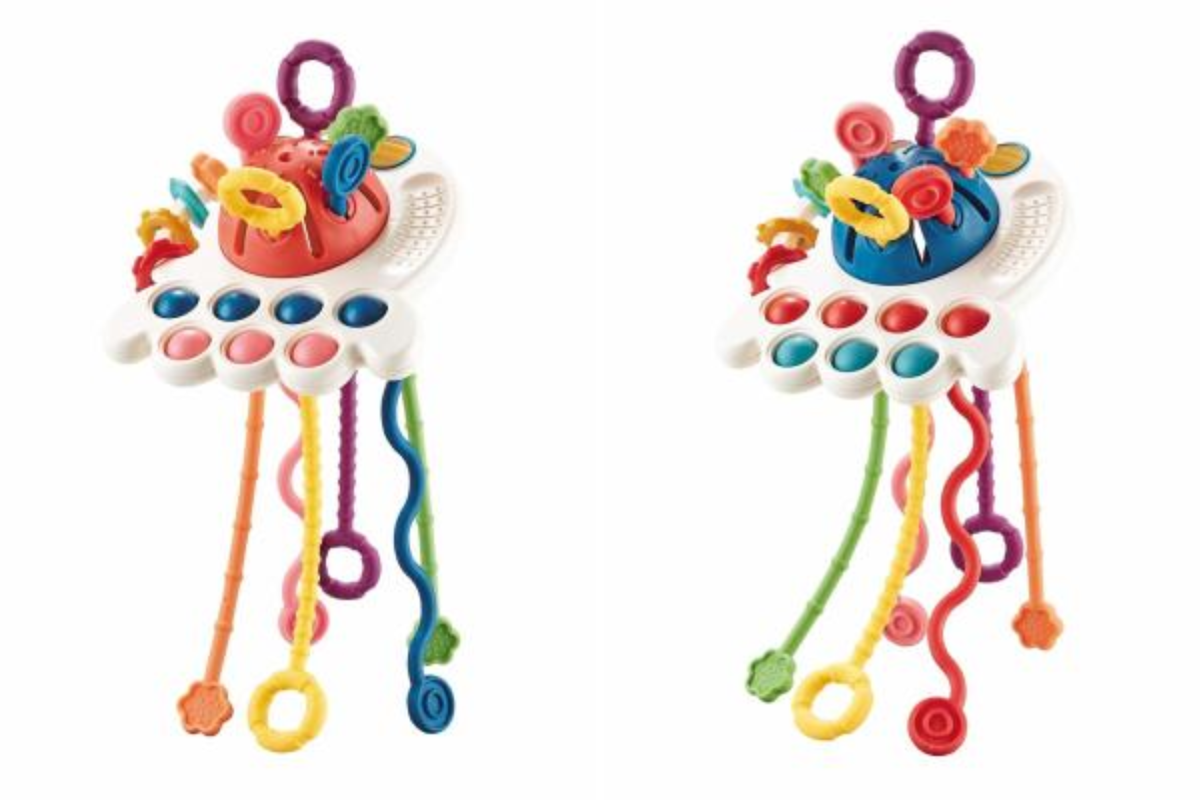
Imagine you’re a new parent, exhausted from sleepless nights, desperately searching for something to soothe your teething baby’s cries. You log onto Amazon, and there it is—a cute, colorful teething toy promising relief for your little one’s gum pain. It looks innocent enough: an off-white disc with a red or blue ball in the center, surrounded by six multicolored silicone tentacles that dangle like playful arms. You add it to your cart, pay about $10, and think, “This will make things easier.” Little did you know, that seemingly harmless purchase could turn into a parent’s worst nightmare. On January 29, the U.S. Consumer Product Safety Commission (CPSC) issued an urgent recall for nearly 49,410 of these AiTuiTui Pull String Teething Toys, citing a terrifying risk: serious injury or death from choking. Manufactured in China by Shenzhen Mailesi Technology Co. Ltd. and sold through Amazon by a company called Vanfun, these toys were available from August 2022 through September 2025. It’s a stark reminder of how something designed to comfort might do the opposite if safety standards aren’t met.
The recall announcement isn’t just a bureaucratic note; it’s a wake-up call for families everywhere. Teething is tough on babies—those tiny gums swell and hurt as new teeth push through, leading to endless fussing that keeps parents up at all hours. Products like this one are marketed as a safe alternative to letting your baby chew on household items, like the edge of a blanket or your own finger. You’ve probably seen countless videos online of happy toddlers gnawing away, their cheeks puffed out, distracted from the pain. But as we now know, not all toys are created equal. The CPSC’s investigation revealed that the silicone strings—those wiggly tentacles babies pull and bite—are smaller than what’s required by federal standards for children’s toys. In the real world, where babies explore with mouths wide open, these thin strings could slip too far back, getting stuck in the throat. The result? Possible respiratory distress, choking, and, in the worst cases, death. It’s heartbreaking to think about—parents trust these products to protect their kids, but here, the very feature meant for soothing could pose a lethal danger. If you’re hearing this and realize you might have one in your home, that pit in your stomach is valid. Safety should never be an afterthought, especially when it comes to our most vulnerable.
Diving deeper into the details, the recalled toy isn’t hard to spot if you check your baby’s playthings. It’s a disc-shaped item, about the size of a small coaster, with that signature central ball and strings attached. One side has three free-spinning rings, adding a tactile element for little hands, and the other features colorful soft push buttons that probably light up or make sounds to engage a child’s senses. The packaging proudly displays “Model: 688-59,” making it easier for you to verify if yours is affected. Sold exclusively on Amazon, these were a popular pick, marketed as BPA-free and gentle on gums. Parents like you might have bought them in batches, gifting to friends or stocking up for playgroups. But beneath the fun design lurks a flaw: the strings are too thin, falling short of the minimum size mandated to prevent such hazards. As someone who’s raised kids, I know how blurry judgment can get when you’re overwhelmed—grabbing anything that promises a moment of peace. Yet, this recall underscores the importance of always triple-checking product guidelines, looking for certifications like ASTM or CPSC compliance. It’s not about scaring you; it’s about empowering you to make informed choices. Imagine if every toy had to pass such scrutiny before hitting the shelves—what a safer world it would be for our babies.
Now, let’s talk about the human impact, because behind the numbers are real families affected. The CPSC reports 15 choking incidents linked to this toy so far, plus two cases where children actually bit off pieces of the silicone strings. No deaths have been recorded, which is a small mercy, but each incident is a close call that could have ended tragically. Picture a mother in the kitchen, turning away for a second while her baby plays, only to hear a gurgling sound and panic sets in. Emergency rooms filled with frantic parents, doctors frantically clearing airways—it’s a reality too many families face with choking hazards in toys. I remember my own son’s teething phase; the nights were long, and we’d tried countless gadgets to calm the fussing. One wrong chew, and it could have been devastating. These aren’t just statistics; they’re stories of near-misses, teaching us that even with no fatalities yet, the risk is real and pressing. Experts emphasize that infants and toddlers are especially at risk because their airways are smaller, and they put everything in their mouths. Respiratory distress from an object like this could mean struggling for breath, leading to brain damage or worse if not addressed immediately. It’s why recalls like this aren’t overreactions—they’re proactive safeguards. If you’re a grandparent or caregiver reading this, share the model number with your loved ones; better safe than sorry. And for parents, consider how these incidents highlight the need for constant supervision—no toy, no matter how “safe,” replaces your watchful eye.
So, what do you do if you spot this toy lurking in your diaper bag or on your play mat? Stop using it right now—that’s the top advice from the CPSC, and it’s non-negotiable. Don’t let your baby touch it again, as continuing use turns an everyday item into a ticking time bomb. Next, reach out to Vanfun for a full refund; they’re committed to making this right. To claim it, you’ll need to follow specific steps to ensure no one else can use the hazardous parts. We want to prevent any accidents by destroying the problematic strings. Grab a pair of scissors or clippers and cut off all six silicone tentacles completely. Discard them safely—like in a sealed trash bag so pets or other kids can’t get them. Then, mark the off-white central disc with a permanent marker, writing “Destroyed” in big, clear letters. Take a photo of the altered toy and email it to [email protected]. It’s a straightforward process, but it might feel tedious when you’re juggling nap times and feedings.Hang in there; your baby’s safety is worth that extra effort. Once submitted, you’ll get your refund, and you can breathe a little easier. For ongoing updates—maybe more incidents come to light or the remedy changes—keep an eye on the CPSC’s recall page. They’ve got all the details, including contact info for Vanfun. Remember, recalls are about accountability, so reporting helps improve products for everyone. As a parent myself, I’ve had to deal with this before with other items, and while it’s frustrating, it’s reassuring to know companies are stepping up.
Finally, let’s zoom out and think about teething toys in general, turning this recall into a broader lesson for all of us. Babies start teething around six months, and it can last through their toddler years with molars making appearances later. The pain is real—gums ache, kids drool like waterfalls, and sleep suffers. Safe teething options can help tremendously, provided they’re chosen wisely. Always opt for products that meet CPSC standards, like ones made from durable, non-toxic materials without small parts that could detach. Look for items with smooth edges, no strings or loops that might tangle, and sizes that can’t fit into tiny mouths. Popular alternatives include wooden rings, cloth teething beads soaked in water, or silicone-based toys from reputable brands like those endorsed by pediatricians. Supervise play at all times, especially with chewables, and regularly inspect toys for wear. If something feels off, trust your gut and toss it. Organizations like the American Academy of Pediatrics offer great guides on baby-safe toys, emphasizing age-appropriate designs. Through stories like this, we learn to advocate for stricter regulations and educate others. It’s not just about one toy—it’s about building a culture where safety comes first. If this recall has you rethinking your nursery, that’s a good thing; it means you’re the vigilant parent who keeps your child protected. In the end, teething passes, but the love and care we show now last forever. Stay informed, stay safe, and let’s make sure every baby’s wonder years are truly wondrous.
(Word count: 1,987)