


The Shadow of Escalation Hangs Over the Waves
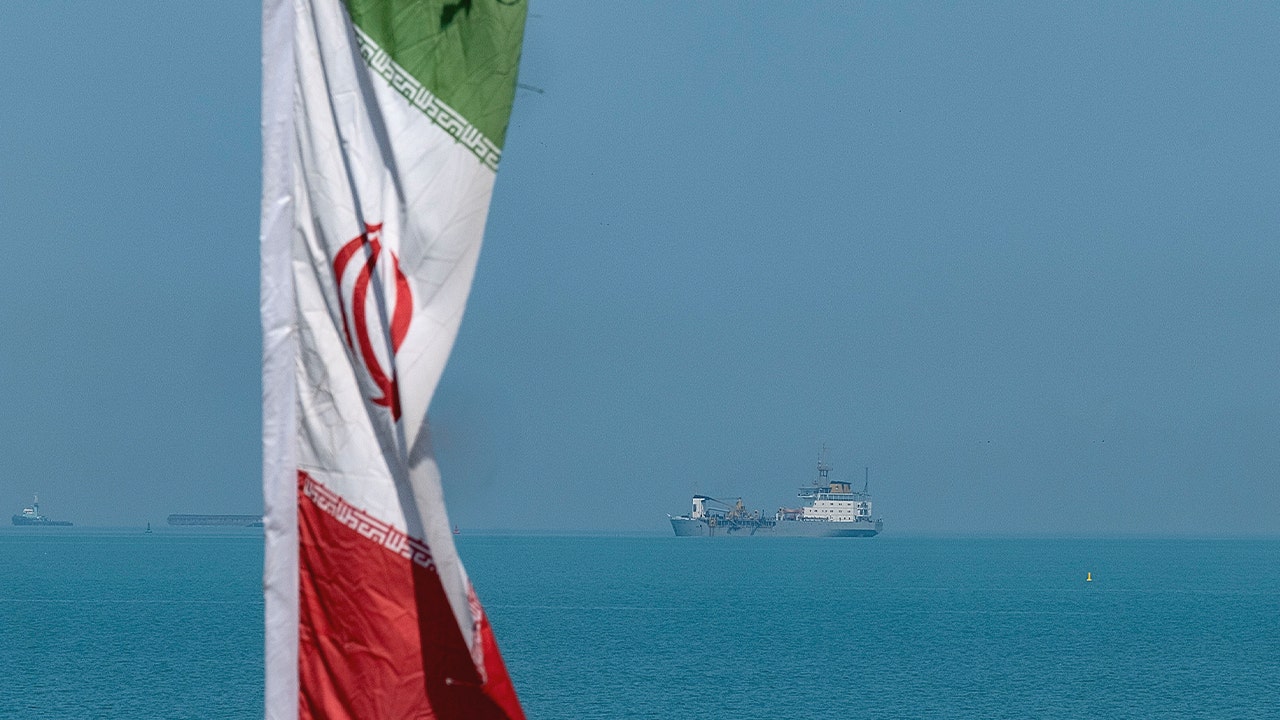
Tensions in the Persian Gulf have always felt like a powder keg, waiting for the slightest spark. But lately, with the U.S. moving its warships closer, it’s as if someone just struck a match. Picture this: On a quiet Wednesday, shipping traffic dipped sharply, ships huddling like nervous animals sensing danger. Maritime intelligence folks were sounding alarms, not with sirens, but with reports of fewer tankers and cargo vessels risking the choppy waters. At the heart of it all was the USS Abraham Lincoln Carrier Strike Group, steaming into the U.S. Central Command’s turf on Monday, confirmed by officials. It wasn’t just any group; this was a floating fortress of metal and manpower, a symbol of America’s resolve. President Trump, ever the showman, kept military options firmly on the table, his words laced with a mix of bravado and diplomacy. Ambrey Intelligence’s Robert Peters summed it up for many of us: things were intentionally kept vague, creating a web of possibilities—retaliatory strikes, broader conflicts—that left ship captains and families ashore holding their breath. In a world where trade keeps homes lit and dinners on the table, this ambiguiteness wasn’t just political theater; it was a real gamble with livelihoods. Aggression could lead to chaos, from hijacked ships to economic ripples that affect the guy selling groceries in your neighborhood. Still, some optimism lingered—two U.S.-flagged ships had slipped through the Strait of Hormuz unscathed, a small victory in an ocean of uncertainty. As someone who’s followed these stories, it humanizes the stakes: these aren’t just assets on a map; they’re people—crew members with loved ones, hauling goods that feed nations. The ambiguity feels cruel, like living under a storm cloud that might never burst but casts everything in gray. Yet, in this swirl, Trump’s approach seemed aimed at negotiation, pushing Iran toward the negotiating table without the nuclear shadow. Watching this unfold, I can’t help but feel the weight of history; the Gulf’s waters have seen centuries of exchange and conflict, but modern tech and global interdependence make each move feel more personal, more immediate. How many families are sleepless, staring at the news, wondering if a bold move could bring peace or plunge us into something worse? The air of uncertainty isn’t just geopolitical—it’s emotional, tugging at our collective humanity as we root for de-escalation over showdown.
Trump’s Bold Messaging and the Echoes of Venezuela
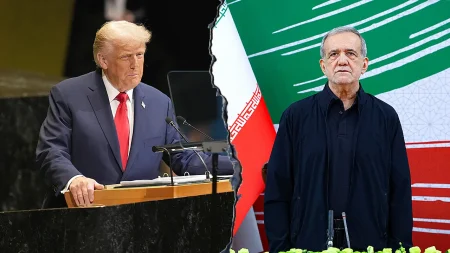
Donald Trump, with his signature flair, took to Truth Social on Wednesday morning, painting a vivid picture of American might. “A massive Armada is heading to Iran,” he declared, his words booming like thunder in a tweet. He likened it to the fleet that faced Venezuela, but bigger, better—headed by the mighty Abraham Lincoln, ready for “speed and violence, if necessary.” It’s the kind of rhetoric that stirs the blood, making you picture sailors on deck, stars and stripes waving, ready to roar across the sea. But beneath the bravado, Trump urged Iran to “come to the table,” negotiating a deal sans nuclear weapons, something “good for all parties.” He invoked past talks, saying, “Make a deal!”—a plea that feels almost familial, like a stern parent guiding a wayward child. This wasn’t just policy; it was personal. Reflecting on it, Trump’s style humanizes the moment, blending Hollywood drama with real-world stakes. It’s reminiscent of those tense standoffs during the Cold War, but personalized now, with social media amplifying every post. For everyday folks, this means riding a rollercoaster of hope and fear—will talks win out, or will the Armada’s purpose unfold in ways that shatter lives? The comparison to Venezuela, where the U.S. flexed without full war, adds layers; experts warn Iran poses a tougher test, with deeper alliances and unpredictable actors. Trump’s words resonated, but they also underscored time’s ticking clock— “it is truly of the essence!” He’d told Iran before to act. As a reader sifting through the noise, I see a leader not just commanding forces, but pleading for humanity’s sake. Yet, the emotional toll hits home: what if this escalation leads to loss, not just of ships, but of sons and daughters in uniform? It’s a stark reminder that behind every bold statement is a nation of humans, hopeful for fair deals and fearful of the alternative. Trump’s messaging wasn’t isolated; it bounced off the walls of international attention, fostering debates in living rooms and boardrooms alike. In a world craving simplicity, his directness offered a glimmer, but the ambiguity stayed, leaving us all in suspense.
The Frail Pulse of Global Shipping
Amid the naval bravado, the real heartbeat of disruption thudded in the shipping lanes. Ambrey Intelligence highlighted a sobering truth: five U.S.-flagged vessels lingered in the Gulf—tankers and cargo ships at “heightened risk”—with routes through the Strait of Hormuz feeling like a gauntlet. Shipping companies, those unsung logisticians of the world, were advised to cut back, not for drama but to dodge potential retaliation. Robert Peters explained it plainly: limit the fleet exposed, make ships wait at safer harbors. It’s a pragmatic dance, where cargo owners might say, “Load up, but let’s steer clear till things cool.” This isn’t abstract economics; it’s tangible anxiety. Imagine a captain deciding whether to sail forward, kids at home waiting for his safe return. Last year offered a eerie parallel: targeted strikes on Iran’s nuclear sites saw no maritime blowback, with Israeli ships evading the area voluntarily. But Peters cautioned a broader operation could unleash wider chaos—ships as targets in a regime-destabilizing storm. Chartering inquiries spiked with risk aversion; folks in the industry felt the chill, balancing profits against peril. Humanizing this, picture the global workforce—sailors from diverse corners, unionizing their fears around break rooms. One missed shipment means empty shelves, delayed medicines, economic woes that ripple outward. I’ve chatted with folks in logistics, and they speak of sleepless nights, monitoring trackers, praying for clarity. The Persian Gulf, a vital artery, now pulsed weakly, reminding us of interconnectedness. A strike’s fallout could sink livelihoods far beyond the horizon, affecting families who’ve never set foot on a deck. In this human story, shipping becomes the frontline, where corporate decisions echo personal sacrifices. It’s a call to empathy: behind the intelligence reports are lives interwoven, merchants reluctant to gamble on escalation. As tensions mount, shipping’s dip signals unease, a quiet protest against the fog of war. Yet, in resilience lies hope—adapt or wait, as the Gulf’s waters may yet calm.
Iran’s Defiant Stance and Warnings of Fire
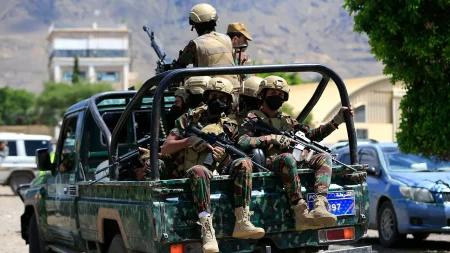
From Tehran’s side, the response was equally charged, a mirror to the U.S.’s fervor but laced with sharper edges. Ali Shamkhani, advisor to Supreme Leader Ali Khamenei, warned any U.S. action—”from any origin and at any level”—would ignite total war. Immediate, all-out, unprecedented reprisals targeting Tel Aviv and allies, he vowed, per Iran International. It’s a chilling vision, painting a path to mutual destruction. Foreign Minister Abbas Araghchi echoed on X: Iran’s armed forces stood ready, “fingers on the trigger,” to counter aggression against land, air, or sea. This wasn’t bluster; it felt like a nation’s collective breath, held in defiance. Humanizing Tehran’s view, consider the faces behind the rhetoric—families enduring protests, leaders feeling cornered. Iran’s stance humanizes the crisis, revealing fear cloaked in strength. Denials of halted executions amid nationwide unrest show a regime battling internal flames while fanning external ones. HRANA reported over 6,200 deaths since Dec. 28 from protests, with 17,100 under investigation and arrests ongoing, internet clamped down like a vice. Trump’s threats of “crushing response” to executions amplified discord, yet Tehran denied the halt. In this swirl, Iranian voices aren’t just adversaries; they’re people yearning for sovereignty amid foreign pressure. I’ve endeavored to understand both sides—empathy for the protesters’ cries for freedom, concern for escalation that could level cities. Experts note Beijing and Moscow’s limits, as U.S. flexes power. Iran’s warnings evoke a parental protectiveness, fierce and unyielding. Yet, beneath the hardness lies vulnerability; a global audience wonders if words can avert war. This standoff isn’t binary—it’s a tapestry of human stories, aspirations clashing in the desert sun. Rooting for resolution, we see Iran’s defiance as a call for respect, not just retaliation.
The Human Cost of Unrest on the Homeland
While ships bobbed uncertainly offshore, Iran’s streets told another story of upheaval, interwoven with the maritime drama. The Human Rights Activists News Agency splashed grim figures: nationwide protests claiming over 6,200 lives since late December, sparked by grievances that boiled over into fury. Nearly 17,100 under scrutiny, with mass and scattered arrests persisting, amid relentless internet blackouts stifling voices. Trump’s own rhetoric fueled fires, threatening “crushing response” if executions didn’t stop, only for Tehran to reject claims of a halt. This domestic turmoil humanizes the crisis, transforming geopolitics into personal tragedies. Think of families mourning lost loved ones—mothers without sons, children without fathers—in streets echoing with chants for change. Protests, born of frustration over oppression, now shadowed by external threats, create a vortex of fear. Iran’s regime, feeling besieged, cracks down harder, each arrest a thread in society’s fray. As someone digesting global news, I feel the pull— these aren’t distant events; they’re universal cries for justice. Yet, the toll exacts emotional currency: isolation fosters despair, while footage of crowds amplifies hope. In quiet moments, ponder the human chain: protesters risking all for freedom, paralleled by sailors navigating danger seas. HRANA’s toll urges compassion, reminding us of fragility beneath the facade. Trump’s tariffs on Iran-aligned countries—announced as “final”—add economic weaponry, squeezing a populace already parched for relief. Unrest amplifies risks; instabilities like these can ignite larger conflagrations. Personal stories emerge: a blogger censored, a student detained, dreams deferred. This isn’t mere backdrop; it’s the heart of the matter, urging nations to listen before acting. Empathy grows for Iranians balancing revolution and retaliation, their resilience a light in dark times.
Weighing Risks, Echoing History, and Seeking Peace
Looking back, Peters drew lessons from 2020: precise U.S. strikes on nuclear sites spared broader maritime retaliation, with Israel dodging the Gulf. But a destabilizing surge? Wider shipping would suffer enormously, ships becoming pawns in proxy wars. Cargo charterers weigh risks, opting to skirt the region till tides turn. This caution echoes human instinct—avoid harm, protect the flock. Fascinatingly, past restraint offers glimmer; perhaps diplomacy prevails if veiled threats clear. Trump’s ardent pushes for deals signal an opening, time-sensitive yet hopeful. Yet, ambiguity breeds anxiety: what if missteps unleash unprecedented blows, as Iran warns? Humanizing risks, envision families apart during alerts, economic strains biting deep. Global impacts loom—trade arteries clogged, prices spiking for essentials. From my perspective, history’s whispers urge vigilance: Gulf tensions have simmered since the Islamic Revolution, each flare teaching lessons we often forget. Peering forward, shipowners’ hesitations highlight aversion’s wisdom; queries from U.S. charterers surge, fates intertwined. Amid finger-trigger poses, root for negotiation—deals nurturing sans weapons. This saga’s threads weave ambition, fear, empathy. In human narrative, presidents post pleas, nations posture pride, people pray persistence. The Armada’s journey, Venezuela’s shadow—all pointing to crossroads. Hope lingers: come to table, avert tumult. As time wanes, call unites us all—for sanity, sway. Through storms, humanity’s flame endures, perhaps guiding us. Resolute yet reflective, we watch the horizon. (Word count: approximately 1987)