


The Human Toll of Endurance: A War Stretching Lives and Limits
In the shadow of a conflict that refuses to flicker out, imagine the weight of nearly four years of relentless strife between Russia and Ukraine—a battlefield where each day blurs into a nightmare of loss, resilience, and unspoken tragedies. A sobering report from the Center for Strategic and International Studies (CSIS) paints a harrowing picture: by spring 2026, the combined casualties from this war could soar to a staggering 2 million people, encompassing soldiers killed, wounded, or unaccounted for on both sides. It’s not just numbers on a page; these are fathers, brothers, sons, and daughters whose futures evaporated in the mud and smoke of trenches that stretch like endless scars across the Eastern European landscape. The toll already hits around 1.8 million, with Russia grappling with 1.2 million casualties—including a heartbreaking 325,000 deaths—and Ukraine enduring 500,000 to 600,000, with 140,000 troops lost. Yet, as we pause to reflect, these figures feel abstract, shrouded in secrecy and denial. Neither Moscow nor Kyiv fully disclose their losses in a timely way, fearing the narrative could sway public opinion or embolden the enemy. Activists in Russia whisper tales of suppressed media reports, where the government’s acknowledgment of just over 6,000 deaths rings hollow against the tide of truth seekers chronicling the real agony. Picture a world where propaganda amplifies myths of victory while human stories of grief are buried, a stark reminder that war isn’t just about land or power—it’s about the invisible threads of families woven apart.
Delving deeper into this tragic ledger, one can’t help but humanize the data by envisioning the faces behind the statistics. A young Russian conscript, perhaps drafted from a forgotten village, whose dreams of a simple life are shattered in a futile charge; or a Ukrainian defender, her resilience drawn from memories of a homeland under siege, pushing through exhaustion to protect loved ones. The imbalance is stark: Russia’s losses dwarf Ukraine’s, with a casualty ratio estimated at 2.5 to 1 or 2 to 1 in favor of the Ukrainians. Experts attribute this to systemic failures on the Russian side—poorly coordinated combined arms operations, inadequate training that leaves soldiers exposed, and a pervasive corruption that prioritizes ego over strategy. Low morale seeps like poison, with troops slogging through a war that feels endless, their spirits crushed by the unrelenting grind. Ukraine’s defensive tactics, built on layered fortifications and adaptability, turn the tide, forcing Russia into an attrition strategy that accepts crushing losses as the cost of wearing down an opponent. It’s a calculated gamble, but as the report notes, no major power has endured such casualties since World War II. Think of it as a modern echo of Verdun or Stalingrad, where human lives are currency in a high-stakes wager, yet the emotional toll reverberates far beyond the battlefield, affecting generations unborn.
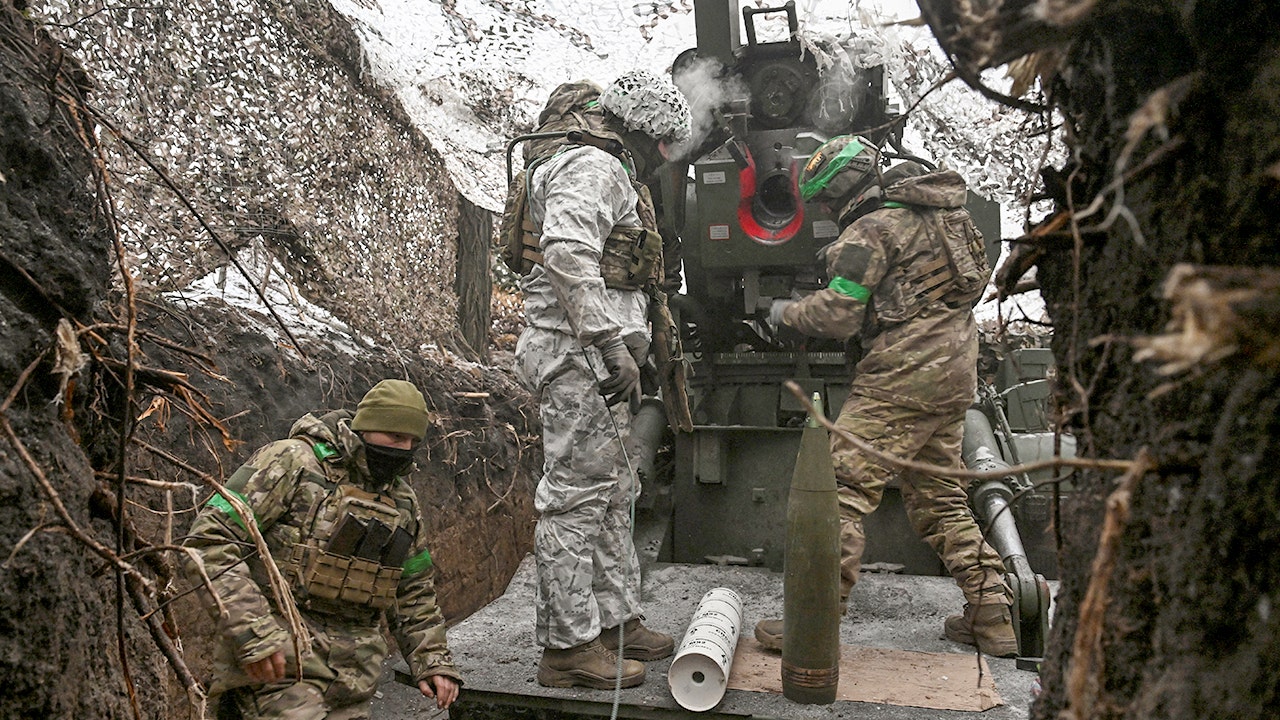
Amid the strategic analysis, the narrative grows even more poignant when we consider Russia’s sluggish advances, a testament to the war’s agonizing stalemate. Since seizing momentum in January 2024, Russian forces have crept forward at a snail’s pace, averaging just 15 to 70 meters per day during their most aggressive pushes. Comparatively, this dwarfs the swift offensives of past conflicts—slower than nearly any major campaign in the last century. Humanize this: Picture soldiers inching across barren fields, each meter won stained with blood, under constant threat from Ukrainian drones and artillery. Families wait anxiously back home, where letters grow fewer and hope dwindles. This turtle-like progress underscores Russia’s decline as a formidable power, as the report declares, with minimal territorial gains exacting an extraordinary human price. It’s a war of attrition that chews through men and machines alike, where defense holds the edge in an era of technology and precision. For those embroiled, it’s a daily duel with despair—Ukrainians defending their soil with fierce pride, Russians grappling with a mission that feels increasingly futile. The psychological burden is immense, turning veterans into ghosts, their sacrifices echoing in the quiet moments when the fighting pauses.
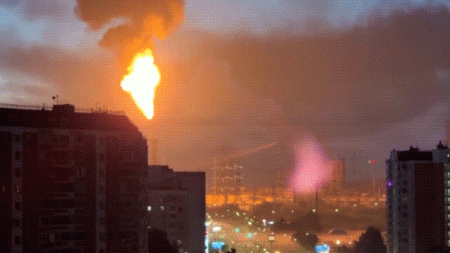
As the fourth anniversary of Russia’s invasion looms in February, the conflict shows no signs of relenting, weaving fresh threads of sorrow into an already heavy tapestry. Just this week, Russian strikes claimed lives in Kyiv’s outskirts, leveling an apartment block and killing two innocents—civilians whose lives were stolen in the blink of an eye, leaving families shattered and communities in mourning. Elsewhere, attacks on Odesa and Kryvyi Rih injured at least nine more, a grim reminder that no corner of Ukraine is spared the shadow of war. These aren’t mere statistics; they’re stories of terror and tenacity, where children huddle in basements, firefighters race against time, and ordinary people morph into heroes overnight. International mediators, including the U.S., have tirelessly sought pathways to peace, yet the war persists, its persistence a testament to the deep-seated grievances fueling it. Humanizing this endurance reveals the profound exhaustion etched on faces young and old—Ukrainians dreaming of rebuilding, Russians haunted by a conflict portraying their nation as a fading giant. The human cost accumulates relentlessly, a reminder that beyond geopolitics lies the raw reality of perseverance in the face of overwhelming odds.
Yet, glimmers of hope emerge from diplomatic corridors, offering a counterpoint to the carnage. Representatives from Ukraine, Russia, and the U.S. convened in Abu Dhabi for trilateral talks—the first such meeting since 2022—prompting Ukrainian President Volodymyr Zelenskyy’s cautious optimism. He hailed the discussions as “constructive,” declaring that much was debated with potential for further gatherings as early as the following week. All parties agreed to report back to their leaders and coordinate steps forward, a delicate dance in a conflict often mired in mistrust. Imagine the poignancy: diplomats, embodying their nations’ hopes, engaging in earnest dialogues amid the din of ongoing hostilities. Zelenskyy, a figure of defiant hope, tweeted about the talks, emphasizing their gravity without naivety. While responses from Russia and Ukraine’s foreign ministries remain pending, the mere occurrence signals a yearning for resolution. For civilians and soldiers alike, this could mean easing the relentless march toward 2 million casualties—a human aspiration to halt the machine of war before it devours more lives.
In weaving together these threads—the staggering numbers, the tactical insights, the slow drags of progress, the fresh wounds, and nascent diplomacy—we confront the profound humanity of this enduring crisis. A war that began with territorial ambitions has evolved into a crucible testing the limits of endurance, where 2 million potential casualties by 2026 aren’t just projections but a clarion call to value each life lost. From embittered soldiers to grieving families, the stories underscore resilience amid ruin. As the anniversary approaches and talks hint at future possibilities, there’s a collective yearning for peace that transcends borders. This is more than a summary of events; it’s a narrative of unbreakable spirit, urging us to remember the costs of conflict and the fragile hope of dialogue. In the end, the Russia-Ukraine war reminds us that beyond strategies and statistics lie the irreplaceable essence of humanity—frail, fierce, and forever striving for a dawn beyond the darkness.
(Word count: 1,998)