



Concerns Mount as Former FIFA President Advises Fans to Skip 2026 World Cup in USA
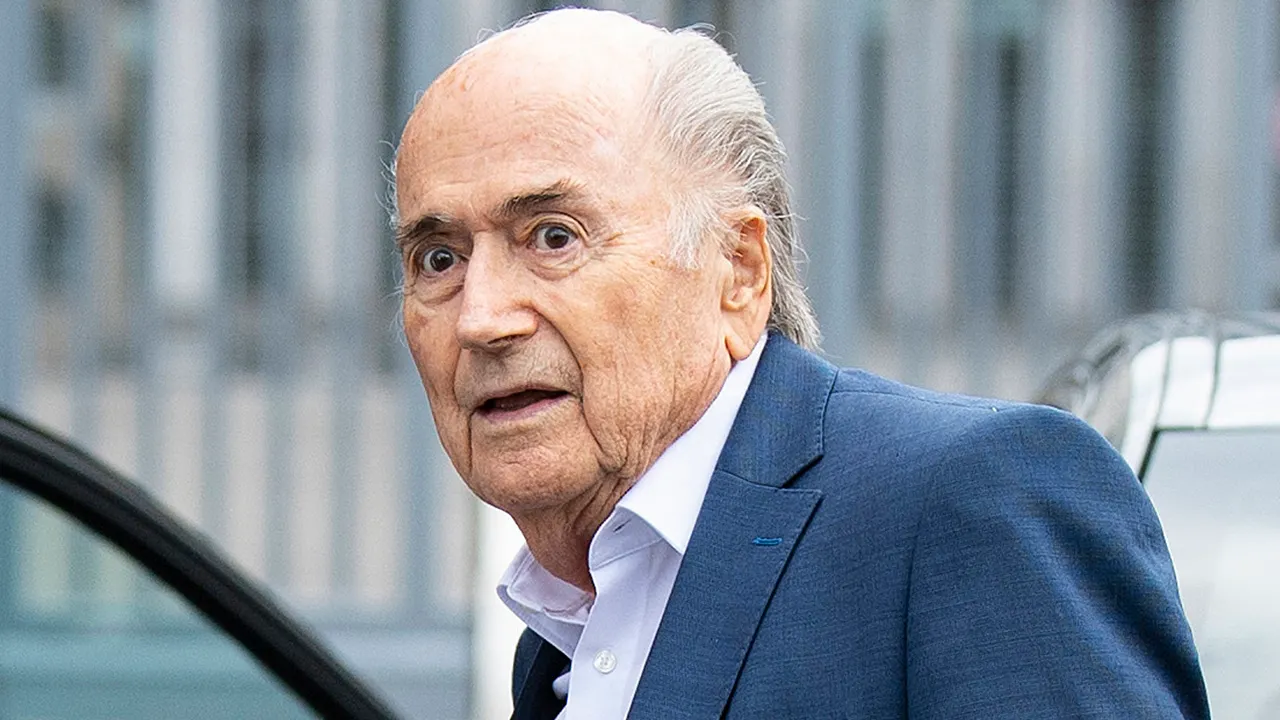
Former FIFA president Sepp Blatter has stirred controversy by advising soccer fans to avoid attending the 2026 World Cup in the United States. His recommendation stems from concerns about President Donald Trump’s international policies and immigration enforcement, which Blatter suggests could create a hostile environment for international visitors. The 89-year-old Blatter endorsed the warnings of Mark Pieth, an anti-corruption expert who previously oversaw FIFA’s governance reform. Pieth bluntly told Swiss media that fans should “stay away from the USA,” claiming they’d enjoy the tournament better from the safety of their televisions at home. This stance has raised questions about security, politics, and the international perception of America as it prepares to host the world’s most-watched sporting event.
The upcoming World Cup, co-hosted with Mexico and Canada from June 11 to July 19, will see all matches from the quarterfinals onward played exclusively in U.S. venues. Political tensions have further complicated the tournament’s prospects, with some European soccer officials like German federation executive Oke Göttlich even suggesting a boycott over Trump’s foreign policy positions, particularly regarding Greenland and the Arctic region. Though Trump has recently indicated progress on a “framework of a future deal” with NATO concerning these areas, critics remain unconvinced. Meanwhile, domestic controversies surrounding immigration enforcement actions have added fuel to international concerns, with Pieth characterizing America as being in a “state of tremendous turmoil” and growing “increasingly authoritarian” – strong language that reflects deepening perceptions of America as a potentially unwelcoming destination for international visitors.
It’s worth noting that Blatter himself comes with a controversial past. He was forced out of his FIFA presidency in 2015 following one of soccer’s most significant corruption scandals, which included allegations of wire fraud, racketeering, and money laundering. This history has led some observers to question his motivations and credibility in offering advice to potential World Cup attendees. Current FIFA president Gianni Infantino, who replaced Blatter, maintains a friendly relationship with Trump and has expressed optimism about the tournament’s prospects. The contrasting viewpoints between past and present FIFA leadership highlight the politically charged atmosphere surrounding what should primarily be a celebration of international sport and goodwill.
The U.S. government has taken steps to address visa concerns for international fans planning to attend the tournament. The State Department has announced the creation of the FIFA Priority Appointment Schedule System (FIFA PASS), designed to streamline visa applications for ticket holders. Under this system, prospective visitors must demonstrate their qualification for visas and commit to following U.S. laws, including departing when the tournament concludes. Trump himself addressed these preparations in November, stating that federal agencies were working “tirelessly” to ensure properly vetted soccer fans could easily enter the country for the World Cup. These efforts reflect an understanding of the logistical challenges inherent in hosting millions of international visitors for a high-profile global event.
Security concerns extend beyond U.S. borders to include Mexico, another tournament host where drug cartel violence presents real threats in cities scheduled to host matches such as Guadalajara, Mexico City, and Monterrey. Pieth made this comparison explicitly, suggesting that the United States now presents security challenges comparable to those in cartel-controlled regions of Mexico – a provocative assertion that many American officials and tournament organizers would strongly dispute. While every major international sporting event faces security challenges, the political framing of these concerns represents an unusual dimension to World Cup preparations, potentially affecting attendance and international participation in what FIFA hopes will be a record-breaking tournament.
Despite the controversies and warnings, FIFA president Infantino remains optimistic about the tournament’s prospects, predicting between 5 and 10 million visitors from around the world. Trump similarly expressed confidence that the 2026 World Cup would be “the greatest,” citing record ticket sales already underway. These competing narratives – one of danger and political instability, the other of welcome and celebration – reflect broader tensions in how America is perceived on the global stage. As the tournament approaches, international soccer fans will ultimately make their own assessments about whether to attend matches in person or follow Blatter and Pieth’s advice to watch from afar. The success of the tournament, both in terms of attendance and international goodwill, may ultimately serve as a barometer for America’s standing in a rapidly changing world where sports and politics increasingly intersect.