


Coyote Attack in Saddle River Highlights Increased Wildlife-Human Interactions
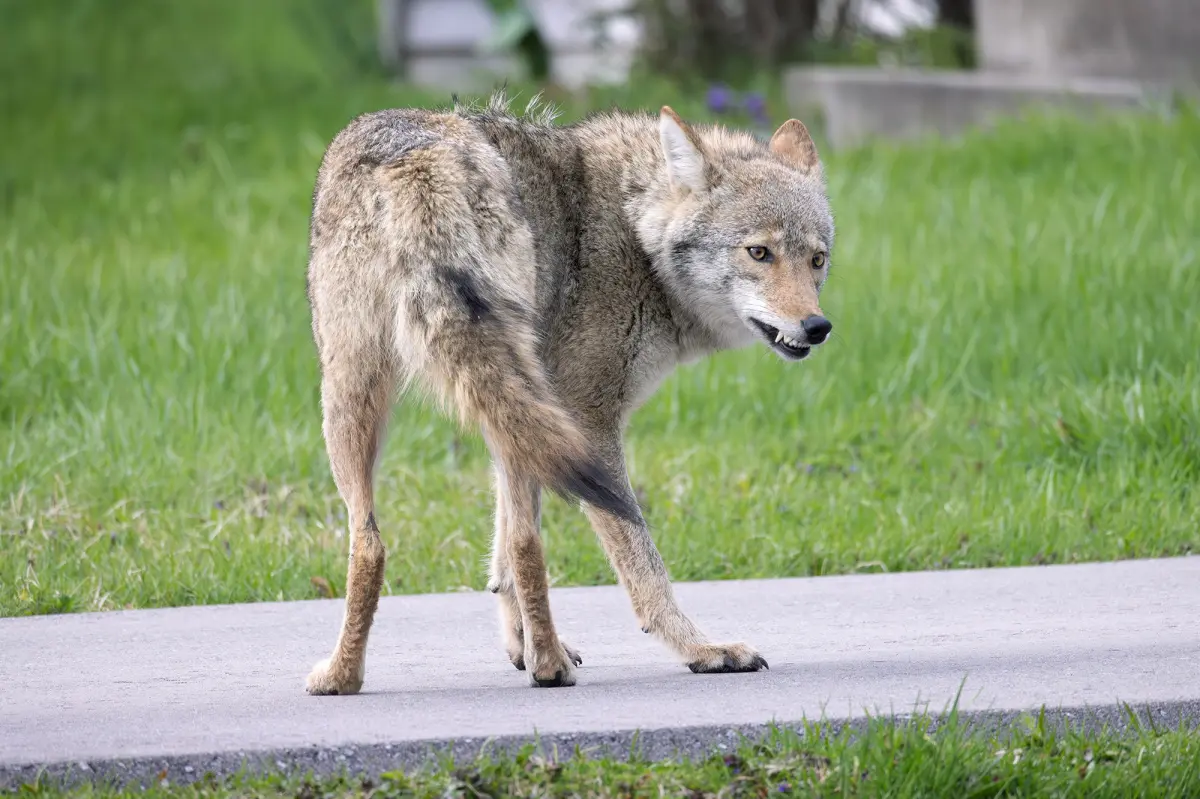
In the quiet, upscale community of Saddle River, New Jersey, where multi-million dollar mansions line tree-shaded streets, residents are experiencing an unsettling reminder of their proximity to nature. Earlier this week, a small dog named Gigi disappeared from her backyard, likely the victim of a coyote attack. The incident has sparked concern throughout the affluent neighborhood, where the peaceful coexistence between humans and wildlife has been disrupted by what officials describe as “hyper aggression” during coyote mating season. The pet owner, returning to find his companion missing, made the heartbreaking discovery through home surveillance footage that captured the sounds of coyotes barking in the vicinity. This distressing event isn’t isolated but represents a growing pattern of coyote encounters in suburban communities across America, where development continues to push into previously wild spaces.
The Saddle River Police Department responded promptly to the owner’s call, initiating a search operation near Burning Hollow Road, an area surrounded by expansive properties where homes can command prices between $10 and $14 million. Despite the wealth and presumed security of the neighborhood, nature follows its own rules. Animal control officers have been searching diligently for Gigi, though hopes dim with each passing hour. They’ve taken this opportunity to educate residents about coyote behavior, particularly noting the increased aggression and territorial behavior during mating season, which typically runs from January through March. This seasonal change in coyote demeanor transforms them from typically shy creatures that avoid human contact into more bold and potentially dangerous animals willing to venture closer to homes in search of food, mates, or territory. The contrast between the manicured lawns of Saddle River and the raw instincts of wild animals creates a tension that residents must now navigate.
Neighbors have reported previous coyote sightings, primarily during evening hours when the animals are most active. One resident told local media, “I have seen them running from my house to the neighbors property,” indicating that the presence of these wild canines isn’t new to the community. What has changed, perhaps, is the boldness with which they now approach human habitation. Wildlife experts suggest that coyotes are highly adaptable creatures that have learned to thrive in suburban environments, finding abundant food sources in garbage, pet food left outdoors, and unfortunately, small pets themselves. Their intelligence and adaptability make them particularly successful at navigating the human-wildlife boundary, a skill that serves them well but creates conflict with human residents who expect safety within their community borders.
The incident with Gigi isn’t the first troubling interaction between humans and coyotes in the area. Just months earlier, in October, a Saddle River resident was bitten by a coyote and required rabies treatment, a serious medical intervention that underscores the health risks associated with wildlife encounters. Around the same time, a woman in nearby Woodcliff Lake was attacked while walking her dog, suggesting a regional pattern of increased coyote aggression. These incidents have transformed what was once a distant concern into an immediate threat for many residents, challenging their sense of security in their own neighborhoods. Public health officials emphasize that while rabies in coyotes isn’t common, the disease is nearly always fatal once symptoms appear, making preventative treatment essential following any bite or scratch from a potentially infected animal.
Wildlife management experts suggest that these encounters reflect broader ecological changes. As suburban development fragments natural habitats, adaptive species like coyotes find themselves living in closer proximity to humans than ever before. Without natural predators in many of these areas, coyote populations can grow unchecked. Additionally, well-intentioned human behaviors – like feeding outdoor cats, leaving garbage unsecured, or even maintaining bird feeders that attract small mammals – can inadvertently create food sources that draw coyotes into residential areas. The solution requires a community-wide approach to wildlife coexistence that balances human safety with ecological understanding. Local authorities in Saddle River are now faced with developing management strategies that might include public education campaigns, habitat modification recommendations, or in extreme cases, removal of particularly aggressive animals.
For the residents of Saddle River, the disappearance of Gigi represents more than the loss of a beloved pet; it signals a challenging new reality about sharing space with wildlife. As communities like this one continue to expand into previously undeveloped areas, interactions with wild animals will inevitably increase. The emotional impact on pet owners who lose companions to predators is profound, combining grief with fear and uncertainty about continued safety in their own yards. Moving forward, communities like Saddle River must grapple with difficult questions about responsibility, coexistence, and the true meaning of living alongside nature. While the search for Gigi continues, the incident serves as a poignant reminder that even in the most luxurious communities, we remain connected to the natural world and subject to its sometimes harsh realities – a humbling thought for residents of any neighborhood, regardless of property values or perceived boundaries between civilization and wilderness.