


Immigration Enforcement Under Scrutiny: Trump Administration Deploys ICE Agents to Major American Cities
In a significant escalation of federal immigration enforcement, President Trump has dispatched Immigration and Customs Enforcement (ICE) agents to cities across America, setting off a complex chain of consequences that has reverberated through communities nationwide. The administration’s intensified approach to immigration enforcement has created tension between federal authorities and local governments, sparked fear in immigrant communities, and reignited the national debate over immigration policy. As federal agents expand their presence in urban centers, both supporters and critics of the administration’s policies are closely watching the immediate impact and contemplating the long-term implications of this enforcement strategy.
Tactical Deployment Targets Sanctuary Cities
The Trump administration’s decision to deploy additional ICE agents to major metropolitan areas represents a deliberate focus on so-called “sanctuary cities” – municipalities that limit cooperation with federal immigration enforcement. Cities including Los Angeles, Chicago, New York, and Philadelphia have found themselves at the center of this enforcement push, with federal officials maintaining that these operations target individuals with criminal histories who pose public safety threats. “We’re focusing on criminals as much as we can,” said a senior Department of Homeland Security official who requested anonymity to discuss ongoing operations. “These individuals have remained in communities, often protected by policies that prevent local law enforcement from cooperating with federal authorities.”
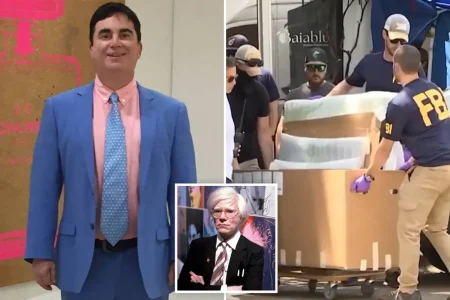
The tactical approach has included both targeted operations against specific individuals and broader enforcement actions. In several cities, ICE has conducted multi-day operations resulting in hundreds of arrests. While officials emphasize their focus on those with criminal convictions or pending charges, reports from affected communities indicate that individuals with no criminal history have also been detained during these operations. The increased ICE presence has been particularly visible in neighborhoods with large immigrant populations, where agents in tactical gear have been observed conducting operations in residential areas, at workplaces, and near community gathering spots.
Communities Respond with Fear and Resilience
The increased presence of federal immigration agents has triggered profound ripple effects throughout immigrant communities. Social service providers report significant drops in participation in essential programs, with immigrants – both undocumented and those with legal status – avoiding medical appointments, keeping children home from school, and declining to report crimes to local authorities. “We’ve seen a 40% decrease in attendance at our free health clinics,” said Maria Gonzalez, director of a community health organization in Los Angeles. “People are foregoing critical care because they fear that visiting any public institution might lead to detention or deportation.”
This fear has manifested in changed daily routines for many families. Parents arrange contingency plans for their children in case they’re detained during work hours. Local businesses in immigrant neighborhoods report decreased foot traffic as residents minimize their public movements. Community organizations have responded by establishing rapid response networks, conducting “know your rights” workshops, and creating emergency support systems for affected families. Despite the climate of fear, many communities have demonstrated remarkable resilience, with neighbors supporting one another and advocacy organizations mobilizing resources. “What we’re seeing is communities coming together in powerful ways,” noted Alejandro Ramirez, an immigrant rights advocate in Chicago. “There’s fear, certainly, but also determination and solidarity that’s strengthening community bonds even as federal pressure intensifies.”
Local Governments Navigate Complex Legal Terrain
The increased ICE operations have created significant challenges for local governments, particularly in cities that have adopted sanctuary policies. Municipal leaders now find themselves navigating a complex legal and political landscape as they attempt to balance public safety concerns with protecting immigrant community members. Several mayors have publicly criticized the operations, arguing that aggressive enforcement undermines community policing efforts by eroding trust between immigrant communities and local law enforcement.
“When residents fear that interacting with local police could lead to deportation, they become less likely to report crimes or cooperate as witnesses,” explained Philadelphia Mayor Jim Kenney at a recent press conference. “This makes our entire community less safe.” Some jurisdictions have responded by reinforcing their sanctuary policies, with local police departments issuing clear directives limiting cooperation with ICE operations. Other municipalities have established legal defense funds for immigrants facing deportation proceedings. The federal government has countered by threatening to withhold federal funding from jurisdictions that refuse to cooperate with immigration authorities, creating a contentious legal standoff that continues to unfold in federal courts across the country.
Legal Challenges Mount as Constitutional Questions Arise
The increased enforcement actions have generated a wave of legal challenges from civil rights organizations, immigrant advocacy groups, and affected individuals. These cases raise fundamental questions about constitutional protections, due process rights, and the scope of federal immigration enforcement authority. The American Civil Liberties Union has filed multiple lawsuits challenging specific enforcement tactics, including allegations that agents conducted warrantless home entries, failed to identify themselves properly, and engaged in racial profiling during operations.
“What we’re seeing raises serious constitutional concerns,” said Emma Thompson, an immigration attorney with the National Immigration Law Center. “The Fourth Amendment protects everyone in this country, regardless of immigration status, from unreasonable searches and seizures.” Several federal judges have issued temporary restraining orders limiting certain ICE tactics in specific jurisdictions, while other courts have upheld the administration’s enforcement authority. The legal battles highlight the tension between the federal government’s authority over immigration enforcement and constitutional protections that apply to all persons within U.S. borders. As cases make their way through the appeals process, legal experts suggest that the Supreme Court may ultimately be called upon to clarify the constitutional boundaries of immigration enforcement.
Political Implications and Policy Future Remain Uncertain
As the immigration enforcement landscape continues to evolve, the political implications of these operations extend far beyond the immediate communities affected. The Trump administration has framed the enhanced enforcement as fulfilling a core campaign promise to prioritize immigration enforcement and national security. Supporters view the operations as necessary measures to uphold the rule of law and address illegal immigration. “Americans have a right to expect that our laws will be enforced,” said Senator Tom Cotton during a recent committee hearing. “These operations target individuals who have violated our immigration laws, often after receiving due process.”
Critics, however, characterize the approach as unnecessarily aggressive and potentially counterproductive to public safety goals. Congressional Democrats have called for oversight hearings and introduced legislation to limit ICE’s enforcement authority in sensitive locations like schools, hospitals, and places of worship. Immigration policy experts note that the current enforcement approach represents a significant shift from previous administrations, which typically prioritized removing those with serious criminal convictions over those whose only violation was being present without authorization. As the 2020 presidential election approaches, immigration enforcement strategies will likely remain a polarizing issue, with candidates offering starkly different visions for the future of American immigration policy. What remains certain is that the current enforcement actions will continue to shape communities, public policy debates, and the lives of millions of immigrants – both documented and undocumented – for years to come.