

Senate Republican Blocks DHS Nominees Until Secretary Noem Appears Before Committee
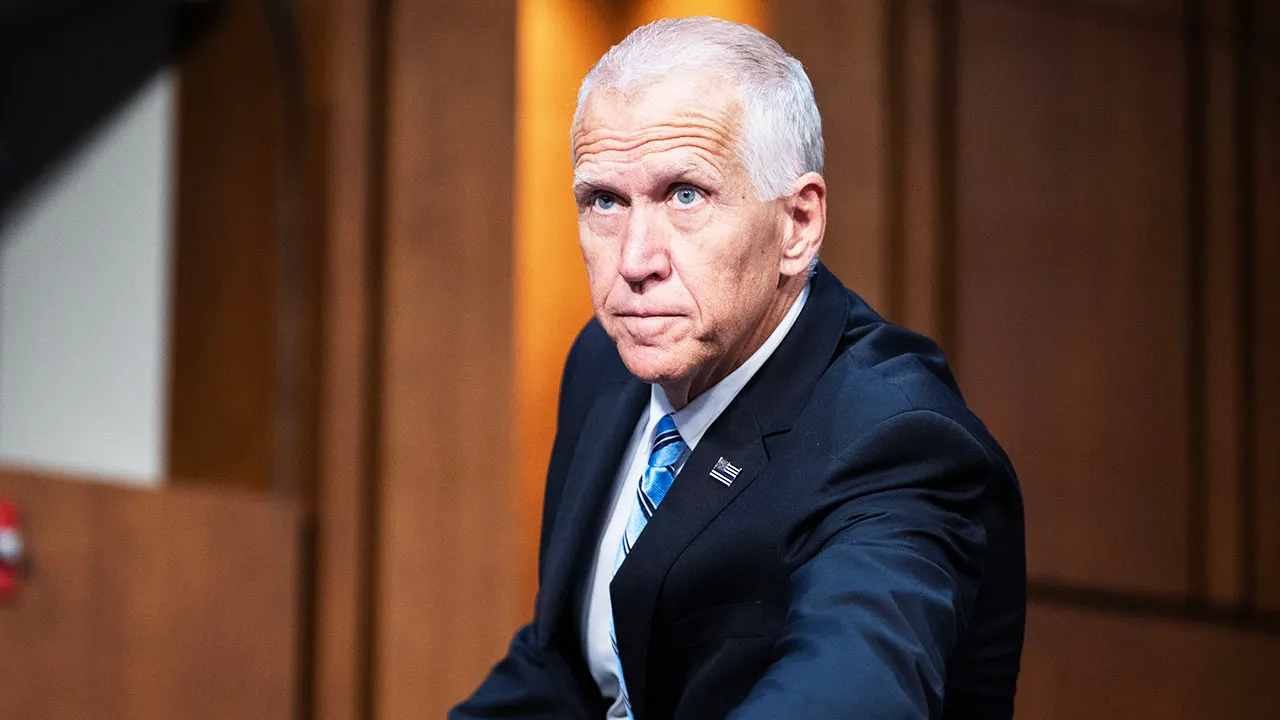
In a surprising turn of events, Senator Thom Tillis (R-N.C.) has announced his intention to block President Donald Trump’s Department of Homeland Security nominees until Secretary Kristi Noem appears before the Senate Judiciary Committee. This decisive action comes after Senate Judiciary Committee Chairman Chuck Grassley sent two formal invitations to Noem—one in June and another in September—both of which have gone unanswered. “My chairman has made two requests in this Congress to have the Homeland Security Secretary come before the committee, and they have yet to confirm that they’re coming,” Tillis explained to reporters. “That is unacceptable, and so I am putting a hold on anything related to Homeland Security measures until we get an agreement and a scheduled time to come for committee at the least.”
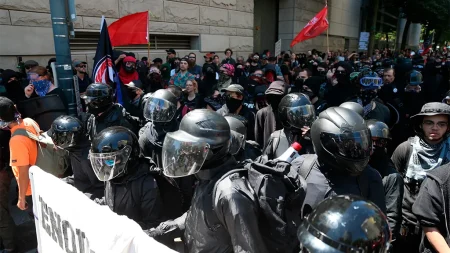
The senator made it clear that his decision is not related to recent controversies surrounding the agency, particularly the fatal shooting of Renee Nicole Goode by an Immigration and Customs Enforcement agent, which has sparked protests nationwide. Instead, Tillis framed his hold as a matter of congressional oversight and accountability. He did note one exception to his blockade: “The only thing that moves through Homeland Security where I will consider an exception would be having anything to do with disaster response,” acknowledging the critical nature of emergency management functions within the department. This targeted approach suggests Tillis is attempting to apply pressure without compromising national security or disaster readiness.
The timing of Tillis’s announcement is particularly interesting, as it comes during a period when Senate Republicans have been publicly celebrating their rapid pace in confirming hundreds of Trump’s nominees. This represents a significant break from the party line for Tillis, who has increasingly shown willingness to challenge the administration on various fronts. Last year, he notably announced his opposition to what Trump called his “big, beautiful bill”—a cornerstone legislative initiative of his second term—citing concerns about proposed cuts to Medicaid. Shortly thereafter, Tillis announced he would not seek re-election, perhaps giving him more freedom to break ranks with fellow Republicans when he disagrees with the president’s agenda.
This latest move is part of a pattern of independence for the North Carolina senator. Most recently, he vocally opposed suggestions from White House officials that military force might be considered to advance Trump’s ambitions regarding Greenland. “I’m sick of stupid,” Tillis declared on the Senate floor earlier this week. “I want good advice for this president, because I want this president to have a good legacy. And this nonsense on what’s going on with Greenland is a distraction from the good work he’s doing, and the amateurs who said it was a good idea should lose their jobs.” These strong words demonstrate Tillis’s frustration with what he perceives as misguided advice influencing the president’s decision-making.
Despite his willingness to criticize certain administration policies, Tillis has maintained alignment with the president on other issues. For example, he voted against a resolution aimed at limiting Trump’s potential use of military force in Venezuela, although the measure ultimately advanced with the support of five Republican senators who crossed party lines. This selective approach to supporting or opposing the president’s agenda suggests Tillis is making calculated decisions based on his personal policy convictions rather than simply following party leadership, particularly as he approaches the end of his Senate tenure.
The Department of Homeland Security has not yet publicly responded to Tillis’s announcement, leaving uncertainty about how the administration will address this roadblock to its nominee confirmations. The situation highlights the complex dynamics between Congress and executive agencies, as well as the internal tensions within the Republican Party during Trump’s second term. As Secretary Noem faces mounting pressure to appear before the Senate Judiciary Committee, the impasse raises questions about accountability, oversight, and the balance of power between the legislative and executive branches. Whether this standoff will result in Noem’s eventual testimony or lead to further complications in staffing key homeland security positions remains to be seen, but it certainly adds another layer of complexity to the administration’s implementation of its security agenda.