


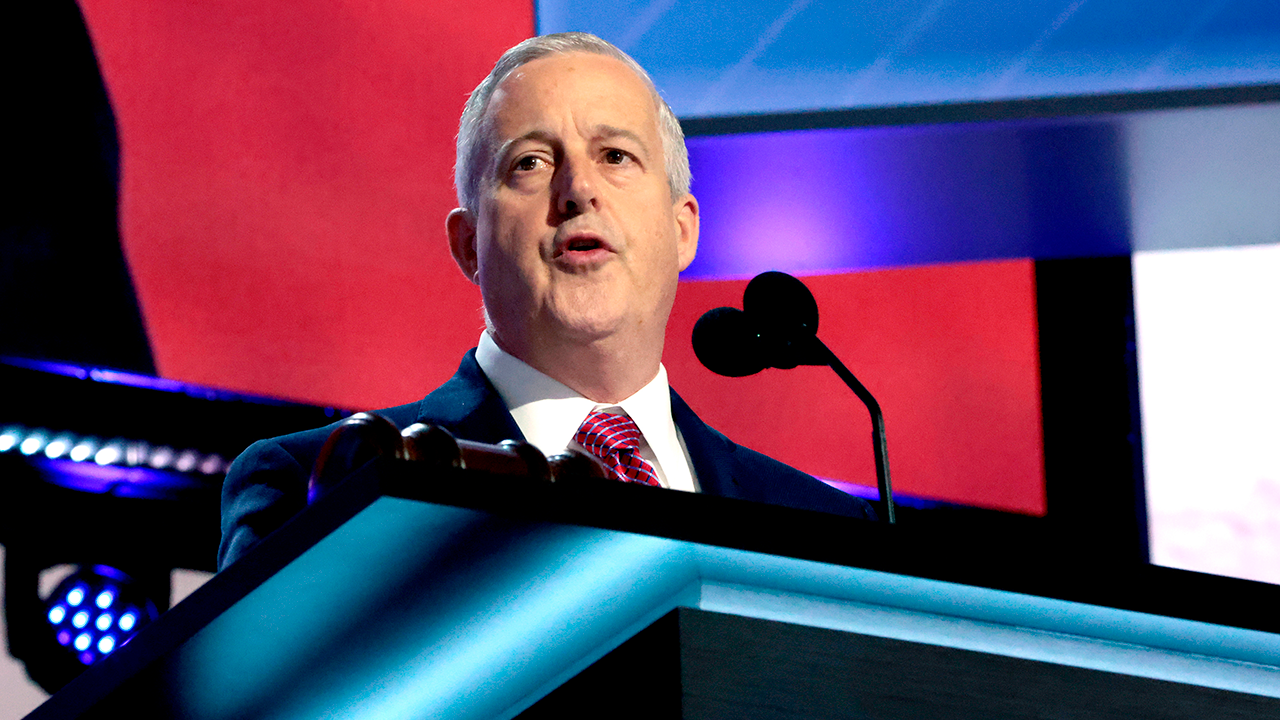
Michael Whatley’s Senate Campaign in North Carolina: A Grassroots Approach to Republican Recovery
In a determined bid to secure North Carolina’s open Senate seat, former Republican National Committee chairman Michael Whatley has embarked on an ambitious campaign to visit all 100 counties of the state. This comprehensive strategy comes as the GOP seeks to rebound from its disappointing 2025 election results, with Whatley positioning himself as the candidate who can reconnect with voters on issues that matter most to them. Facing off against former Democratic Governor Roy Cooper for the seat being vacated by two-term Republican Senator Thom Tillis, Whatley is bringing a ground-level approach to his campaign, believing that personal connection with voters across North Carolina’s diverse landscapes and communities is essential to electoral success.
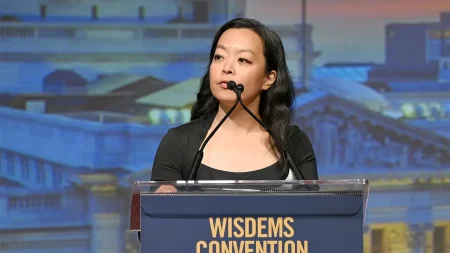
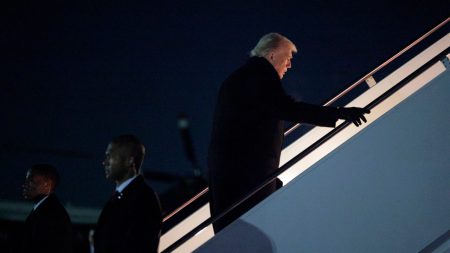
The enthusiasm for Whatley’s candidacy was on display during a recent rally in Rocky Mount, where he appeared alongside President Donald Trump before heading to Phoenix to address the AmericaFest gathering. “The reception both at the rally and across the state has been absolutely fantastic,” Whatley remarked, highlighting the importance of traveling to every corner of a state as diverse and expansive as North Carolina. This approach reflects his understanding that different regions of the state have unique concerns and priorities that need to be acknowledged and addressed. The Rocky Mount appearance also underscored Republicans’ broader strategic goal of flipping the state’s First Congressional District, further illustrating how Whatley’s Senate campaign fits into a larger party effort to strengthen Republican representation in North Carolina.
Whatley’s campaign message centers on what he describes as the fundamental strength of the conservative movement, especially when contrasted with Democratic policies. “We won when we focused on the issues that the American people cared about,” he explained, pointing to President Trump’s promises to rebuild the economy, secure borders, and restore America’s global standing. By contrast, he characterizes Democratic priorities as “inflationary spending, open borders, and a weak America.” This framing allows Whatley to present a clear choice to North Carolina voters while expressing confidence in the conservative movement’s ability to win elections by focusing on voter priorities. His approach acknowledges past Republican setbacks while offering a path forward based on addressing kitchen-table issues rather than abstract ideological battles.
When reflecting on recent Republican electoral disappointments, Whatley emphasizes his commitment to a policy-focused campaign that addresses everyday concerns of North Carolinians. “We’ve got an agenda that is focused on creating jobs and raising wages and lowering prices. We need to focus on keeping our kids and our communities safe,” he stated, outlining a platform that combines economic opportunity with public safety. Whatley also highlighted his support for military personnel based in North Carolina and around the world, ensuring they have the resources needed to protect American interests and allies globally. This multi-faceted approach demonstrates his attempt to build a broad coalition of support across different voter demographics and concerns, from economic security to national defense.
Immigration enforcement has emerged as a central theme in Whatley’s campaign, with the candidate vocally supporting ICE’s Operation Charlotte’s Web, which targeted criminal illegal immigrants in the Charlotte and Mecklenburg County areas. This focus allows Whatley to tie national border security issues directly to local community safety concerns in North Carolina. Despite the state’s geographical distance from the southern border—with its westernmost town of Murphy sitting 1,300 miles from Mexico—Whatley argues that Democratic border policies have effectively turned North Carolina into a “border state” due to their impact on local communities. This framing helps Whatley localize what might otherwise be seen as a distant federal issue, making it relevant to North Carolina voters concerned about public safety in their neighborhoods and towns.
Whatley’s emphasis on immigration enforcement also highlights his support for legislation passed by the North Carolina General Assembly requiring sheriffs to honor ICE detainers for criminal illegal immigrants. “I’m very glad that President Trump was there to make sure that we’re getting these types of violent criminal illegal aliens off of the streets,” he said, connecting his campaign to both state-level policy initiatives and the broader national Republican agenda under Trump’s leadership. This approach demonstrates Whatley’s strategy of aligning himself with Trump while focusing on specific policy outcomes that affect North Carolinians directly. As the campaign progresses toward 2026, Whatley’s ability to balance national Republican themes with state-specific concerns will likely determine whether he can successfully flip this Senate seat and contribute to Republican efforts to regain momentum after recent electoral setbacks.