




JetBlue Flight’s Near Miss with US Air Force Jet Raises Safety Concerns
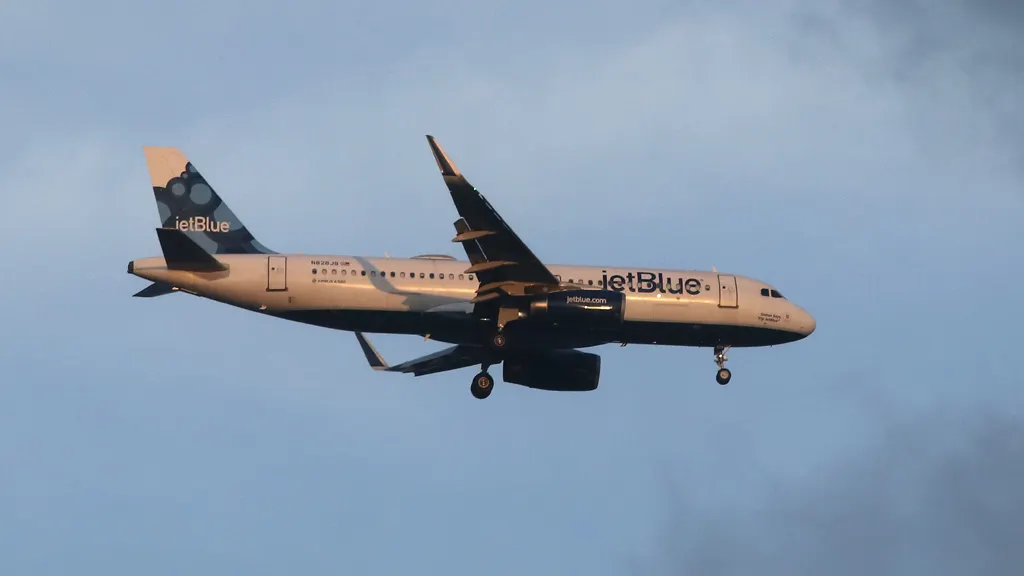
In a concerning incident over the Caribbean last Friday, JetBlue Flight 1112 narrowly avoided a potential disaster when it encountered a U.S. Air Force tanker aircraft operating without an active transponder. Just 20 minutes after departing Curaçao for New York, the Airbus A320 passenger jet was forced to take emergency evasive action when the military aircraft crossed directly into its flight path. The JetBlue pilot, clearly disturbed by the close call, described the situation as “outrageous” in air traffic communications captured by LiveATC.net. The incident highlights significant aviation safety concerns in a region experiencing increased military activity amid growing tensions between the United States and Venezuela.
“They passed directly in our flight path,” the JetBlue pilot reported to air traffic control, explaining that the military aircraft lacked a functioning transponder—the critical electronic device that enables radar tracking of aircraft. This absence of proper tracking capability meant the Air Force jet was essentially invisible to air traffic control systems, creating a dangerous situation for commercial flights in the vicinity. The pilot further detailed that they “had to stop our climb and actually descend to avoid hitting them,” estimating that the military tanker passed just two to three miles away—uncomfortably close by aviation standards. The air traffic controller confirmed they also had no radar visibility of the military aircraft, stating, “Yes, I don’t have anything on my scope… you are totally right sir.”
The gravity of this near-miss is magnified by the current geopolitical context. The United States has recently increased its military presence in the southern Caribbean as part of the Trump administration’s campaign to pressure Venezuelan leader Nicolás Maduro. Last month, the Federal Aviation Administration specifically warned airlines about “potentially hazardous situations” when flying near Venezuela due to intensifying military activities and security concerns. This incident occurred within this tense backdrop, with the JetBlue pilot reporting that after the near-collision, the Air Force tanker proceeded to enter Venezuelan airspace—suggesting it may have been part of these ongoing military operations in the region.
In response to inquiries about the incident, U.S. Southern Command acknowledged awareness of the reports and stated they are “currently reviewing the matter.” Colonel Emanuel L. Ortiz, public affairs chief for the Command, emphasized that “Military aircrews are highly trained professionals who operate in accordance with established procedures and applicable airspace requirements,” adding that “Safety remains a top priority, and we are working through the appropriate channels to assess the facts surrounding the situation.” This statement, while acknowledging the incident, stops short of explaining why the military aircraft was operating without a functioning transponder in commercial airspace—a practice that violates standard aviation safety protocols.
JetBlue also responded to the incident, reaffirming that safety is their “top priority” and commending their crew members for promptly reporting the situation. The airline confirmed they have reported the incident to federal authorities and will participate in any subsequent investigation. The pilot’s recorded communications reveal the professional handling of a potentially catastrophic situation, as the flight crew managed to execute evasive maneuvers while maintaining control of the aircraft filled with passengers. This incident demonstrates the critical importance of proper communication and tracking systems in busy international airspace, especially in regions with heightened military activity.
This near-collision raises serious questions about military and civilian air traffic coordination, particularly in politically sensitive regions. Aviation experts have long stressed the importance of operational transponders for all aircraft sharing airspace with commercial flights to prevent exactly this type of dangerous encounter. As tensions continue between the United States and Venezuela, with President Trump reportedly considering military options against the Maduro regime, ensuring proper protocols for military aircraft operations becomes even more crucial to prevent potential tragedies. The incident serves as a sobering reminder that geopolitical maneuvers carry real safety implications for civilian travelers, and that proper coordination between military and civilian aviation authorities must remain paramount regardless of political objectives in the region.