


Michigan Basketball Coach Dusty May Addresses Football Program Chaos
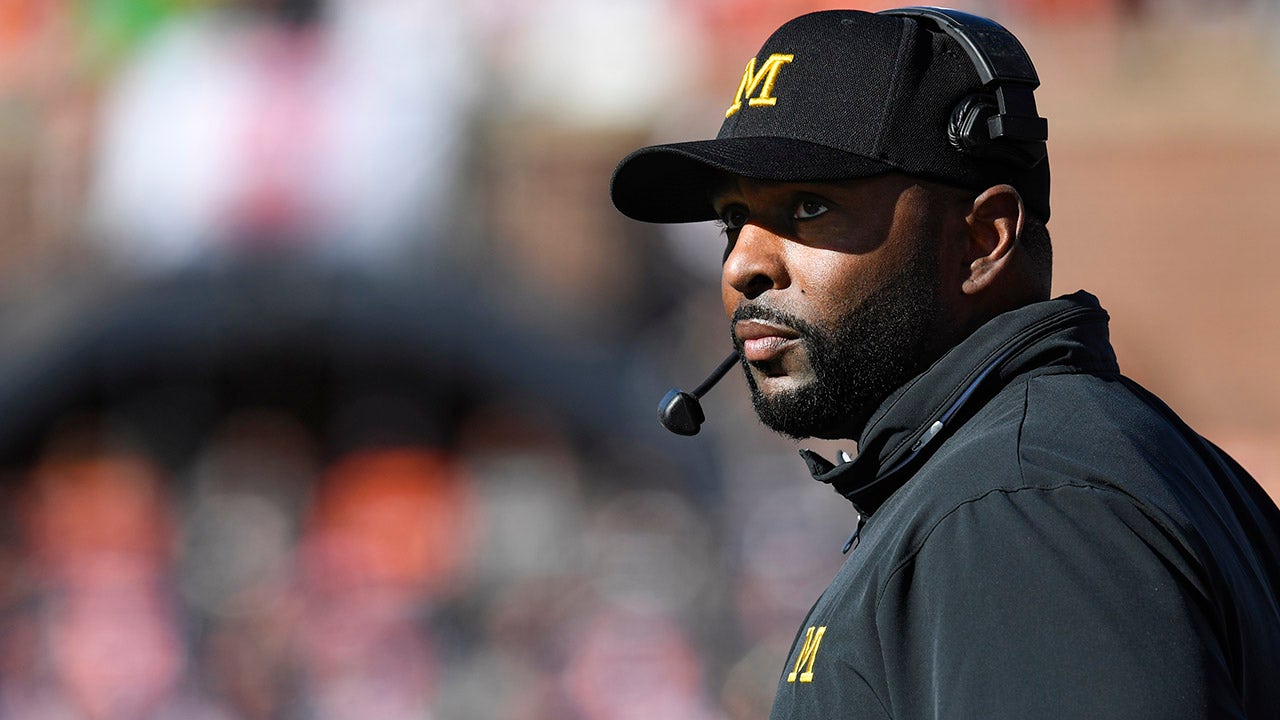
In a recent press conference, Michigan Wolverines men’s basketball head coach Dusty May offered his thoughts on the turbulent situation surrounding the university’s football program following the dismissal of head football coach Sherrone Moore. May, speaking with sensitivity and compassion, acknowledged the human element of the controversy, saying, “The football stuff, there were, obviously, some poor decisions made across the board. It is what it is. Everyone involved is a human being, and every decision impacts other human beings.” Rather than focusing on the details or passing judgment, May expressed concern for those affected, adding, “I pray for families that are impacted and their lives, and their children are impacted.” His measured response demonstrated leadership during a difficult time for Michigan athletics.
The situation that prompted May’s comments involves serious legal troubles for former football coach Moore, who was fired last week after the university discovered what they described as an “inappropriate relationship” with a staff member. Following his dismissal, Moore was arrested on multiple charges including home invasion (a felony) and two misdemeanors: stalking and breaking and entering without permission. According to reports, Moore allegedly terrorized the staff member with whom he had been involved. The legal proceedings have already begun, with a judge granting Moore a $25,000 bond with several strict conditions. These include mandatory mental health treatment, GPS monitoring, no contact with the victim, and a requirement to remain in Michigan. A not-guilty plea was entered on Moore’s behalf during the initial court appearance.
The controversy comes at a particularly challenging time for Michigan athletics, which had been riding high following a national championship season in football. The sudden downfall of Moore, who had been promoted to head coach after Jim Harbaugh’s departure to the NFL, has created significant disruption within the program. Though May leads a different sport at Michigan, the interconnected nature of university athletics means that turmoil in one program can affect the entire athletic department’s morale and public perception. May’s comments reflect an understanding of this dynamic, as he carefully addressed the situation without delving into specifics or speculation about the case, maintaining a focus on the human impact rather than the sensational aspects of the story.
Beyond addressing the football controversy, May also briefly acknowledged recent tragic events that have occurred outside the world of sports, including shootings at Brown University in Rhode Island and at a Hanukkah event in Australia. In connecting these seemingly disparate events, May demonstrated a broader perspective on human behavior and societal challenges. “I don’t have the solutions for the world’s problems,” May admitted, “but man, if we just all just tried to be better human beings and better world citizens and whatnot, I think we’d all have a much greater impact.” This reflection showed May’s ability to contextualize athletic department issues within the larger framework of human experience and responsibility, suggesting that the values of respect, empathy, and ethical behavior extend far beyond sports.
As the Michigan basketball program prepares for its upcoming season under May’s leadership, his comments provide insight into how he might navigate his new role at the university. May, who was hired in March 2024 after a successful tenure at Florida Atlantic University, brings not only basketball expertise but also a thoughtful approach to leadership that acknowledges the complex human dimensions of collegiate athletics. His careful response to questions about the football program suggests that he understands the importance of maintaining appropriate boundaries when commenting on controversial matters while still showing empathy for those involved. This balanced approach may serve him well as he builds his own program’s culture amid the broader challenges facing Michigan athletics.
The aftermath of Moore’s dismissal and arrest continues to unfold, with potential implications for Michigan’s football program extending well beyond the immediate situation. For the university community, alumni, and fans, this represents another chapter in what has been a tumultuous period for Michigan football, which has faced various controversies in recent years despite on-field success. May’s compassionate but measured response offers a glimpse of how athletic leadership might address such situations: acknowledging the gravity of events without sensationalizing them, expressing concern for those affected, and ultimately focusing on the values and behaviors that should guide both athletic departments and society more broadly. As Michigan works to move forward from this difficult episode, May’s perspective serves as a reminder that behind the headlines and allegations are real people whose lives have been profoundly affected.