


The Ripple Effect of Kyle Schwarber’s Deal on the MLB Free Agency Market
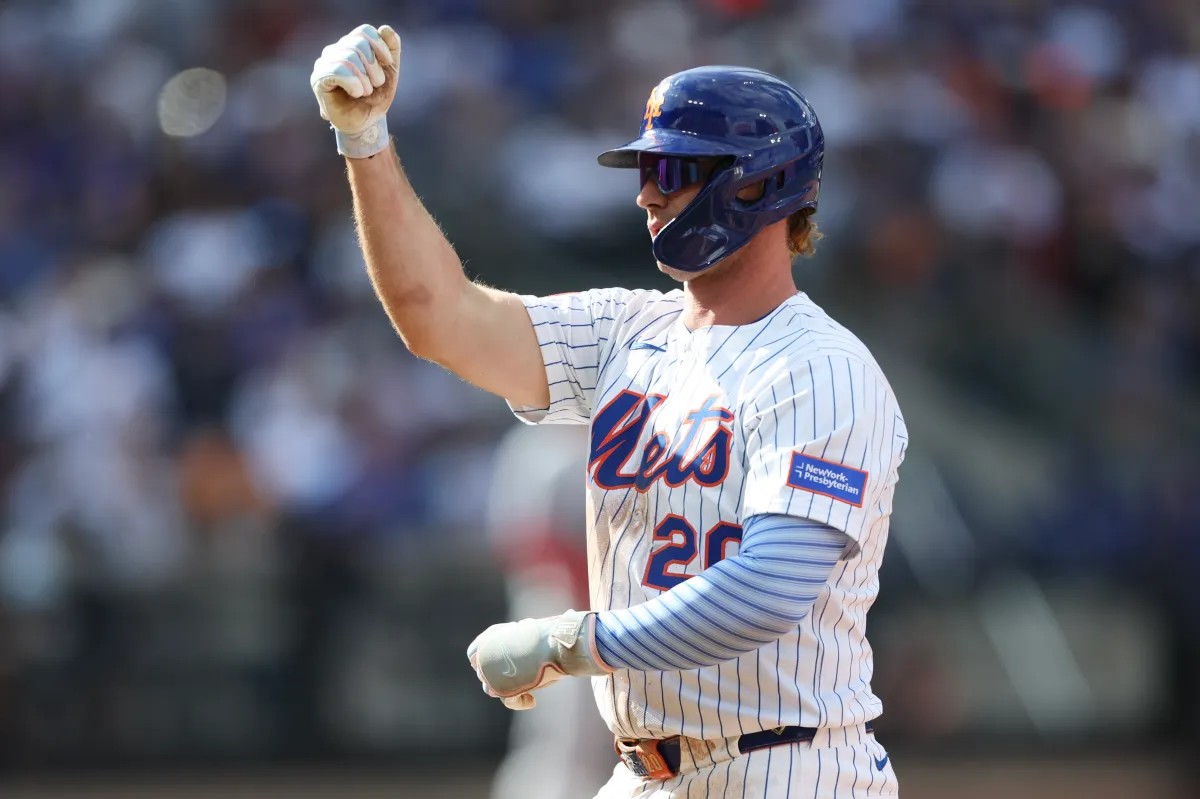
Kyle Schwarber’s free agency saga has concluded with the powerful slugger agreeing to a substantial $150 million contract that keeps him with the Philadelphia Phillies for the next five seasons, as reported by ESPN’s Jeff Passan. However, the impact of this megadeal extends far beyond Philadelphia’s lineup card. The baseball world is now watching how Schwarber’s contract will reshape the market for other power hitters, particularly New York Mets first baseman Pete Alonso, who stands as the next premier slugger available in free agency. With Schwarber setting a new financial benchmark for power hitters, teams that missed out on his signature are recalibrating their focus toward Alonso, potentially setting the stage for an intense bidding war that could drive his eventual contract to unexpected heights.
The Boston Red Sox appear to be at the forefront of this developing situation. Having reportedly expressed significant interest in Schwarber before he recommitted to Philadelphia, Boston now finds itself pivoting to alternative options—with Alonso emerging as their likely primary target. The Red Sox, eager to add a middle-of-the-order power bat to their lineup, may view Alonso as the perfect consolation prize after missing out on Schwarber. This situation creates an interesting dynamic where Boston’s disappointment in one negotiation could fuel their aggression in another, potentially making them willing to offer a premium to secure Alonso’s services. For a franchise looking to return to contention in the competitive American League East, adding Alonso’s consistent power production could represent a transformative acquisition.
For the New York Mets, this developing market for Alonso presents both a challenge and an opportunity. On one hand, Schwarber’s contract has likely increased the financial expectations for their homegrown slugger, potentially pushing his asking price higher than the organization might have initially projected. On the other hand, if multiple teams enter the bidding—with Boston potentially leading the charge—the Mets will need to decide how far they’re willing to go to retain a player who has become a fan favorite and cornerstone of their lineup. The emotional connection between Alonso and the Mets fanbase adds an intangible element to these negotiations that extends beyond simple dollars and cents, creating additional pressure on the front office to find a way to keep “Polar Bear Pete” in Queens for the long term.
What makes this situation particularly fascinating is how Schwarber’s contract might serve as a floor rather than a ceiling for Alonso’s eventual deal. While both players offer similar power production, Alonso has demonstrated more consistency throughout his career and plays a premium defensive position at first base. These factors, combined with his popularity and marketability, could position him to command an even larger contract than Schwarber’s $150 million. The timing also works in Alonso’s favor—with Schwarber’s deal setting a fresh market standard and multiple big-market teams potentially interested in his services, the economic environment appears ideal for Alonso to cash in on his track record of power production in a way that wasn’t available to him just one year ago.
The developing competition for Alonso’s services highlights how quickly the landscape can shift in MLB free agency. Last offseason, despite his impressive credentials, Alonso wasn’t able to secure the long-term security he sought. Now, just one year later, he stands poised to potentially sign one of the largest contracts of this free agency period, largely due to how Schwarber’s deal has reset expectations. This dramatic change in circumstances demonstrates the volatile nature of the free agent market and how external factors—in this case, another player’s contract—can dramatically influence a player’s earning potential. For Alonso and his representatives, patience may prove to have been the optimal strategy, allowing them to enter negotiations with significantly more leverage than they possessed previously.
As teams like Boston regroup from missing out on Schwarber, and the Mets prepare their strategy to retain their star, the upcoming negotiations for Alonso will likely become one of the most watched storylines of the MLB offseason. The eventual outcome will not only determine where one of baseball’s premier power hitters plays for the foreseeable future but also provide valuable insights into how teams value power production in the current baseball economy. With Schwarber having secured his future in Philadelphia, all eyes now turn to Alonso as the next domino to fall in what promises to be a transformative offseason for several franchises. Whether he remains in New York or follows the money elsewhere, Alonso’s contract will serve as yet another reference point that shapes the market for power hitters in Major League Baseball for years to come.