


Gas Prices Hit Four-Year Low, But Is Trump’s Policy to Credit?
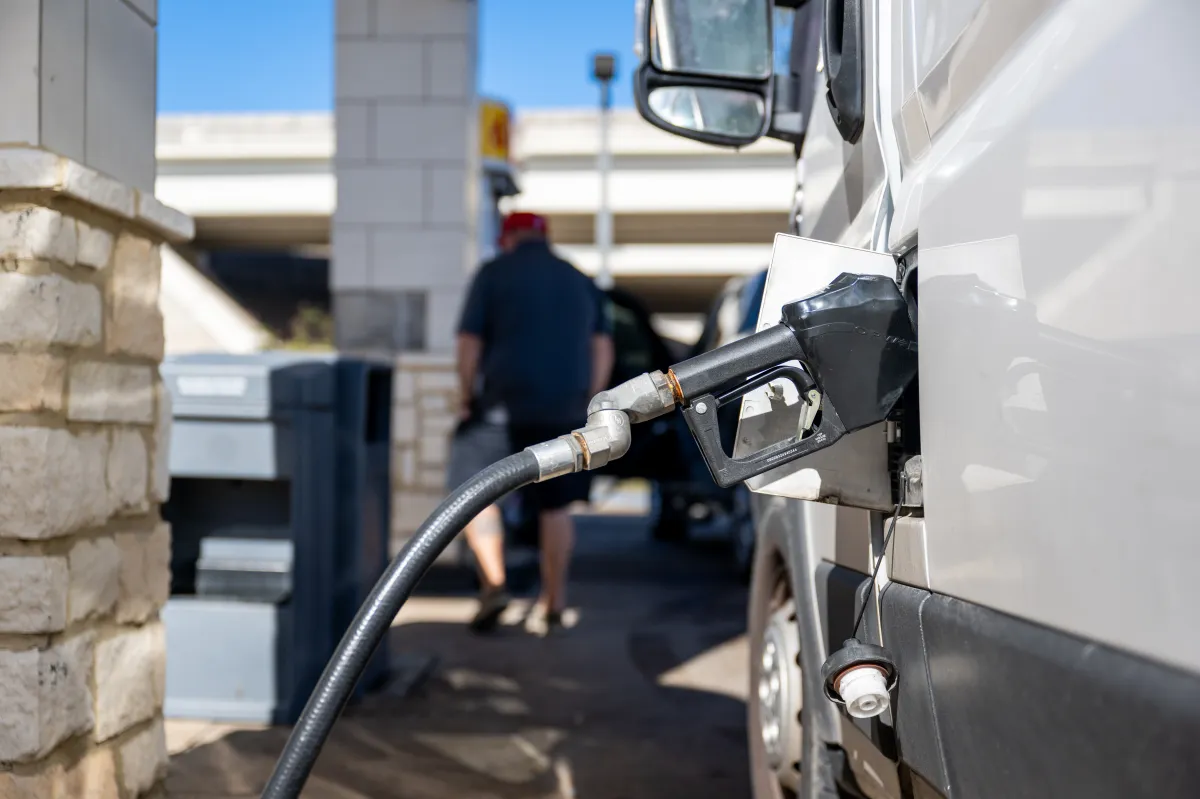
As the holiday season approaches, Americans are experiencing a welcome relief at the gas pumps, with prices falling to their lowest level in over four years. According to GasBuddy, a Dallas-based fuel savings platform, the national average for a gallon of regular gasoline has dropped below $2.90—specifically to $2.897 per gallon. Patrick De Haan, GasBuddy’s head of petroleum analysis, highlighted this milestone on social media, noting it’s the first time since May 2021 that prices have dipped this low. This development represents a significant shift in the economic landscape that has been dominated by concerns over inflation and high fuel costs for much of the past several years.
The timing couldn’t be better for American consumers heading into the holiday season. Nearly every state has experienced falling gas prices in recent weeks, with Oklahoma boasting the nation’s lowest average at $2.298 per gallon. Even traditionally expensive California, while still the highest in the country at $4.414 per gallon, has seen declines. This downward trend began before Thanksgiving and has continued steadily, with current prices lower than they were a week ago ($2.950), a month ago ($3.079), and even a year ago ($2.995). For many families planning holiday travel or managing tight budgets during the gift-giving season, these savings represent meaningful relief at a crucial time.
The political implications of falling gas prices cannot be overstated, particularly given President Trump’s campaign promises regarding energy costs. During his 2024 campaign, Trump pledged to “immediately bring prices down, starting on Day One” and specifically promised to get “gasoline below $2 a gallon.” While the national average hasn’t yet reached that ambitious target, it’s notable that gas prices have indeed fallen below the $3.125 per gallon average that existed when Trump returned to the White House. The administration has been quick to claim credit, with White House spokesperson Taylor Rogers stating there is “no disputing the fact that President Trump’s energy dominance agenda is the reason Americans are paying less at the gas pump,” specifically crediting the rollback of “Biden’s burdensome regulations” for allowing oil companies to “DRILL, BABY, DRILL.”
However, energy experts offer a more nuanced explanation for the price decline that doesn’t necessarily align with the administration’s narrative. Patrick De Haan attributes the falling prices primarily to market factors rather than policy changes, explaining that “refinery maintenance [is] largely complete and OPEC [is] increasing oil production for December,” creating “a solid recipe for continued downward pressure on gas prices in the weeks ahead.” He further emphasized this point on social media, stating: “Gas prices don’t need a recession to fall. Sometimes the market just… works. Not every cheaper gallon is a harbinger of doom—sometimes it’s just supply catching up to demand.” This perspective suggests that the price decline may be driven more by global market conditions and seasonal patterns than by specific U.S. policy changes.
The timing of these falling gas prices comes at a politically sensitive moment for the Trump administration. Despite the improving economic indicator at the pump, Trump’s approval ratings have been declining in recent weeks. According to New York Times analysis of public polling, 55 percent of U.S. voters disapprove of the president’s performance, while only 42 percent approve. More concerning for the administration, voters’ approval of Trump’s handling of the economy specifically has dropped significantly, falling from 43 percent in July to just 36 percent in November. This suggests that while lower gas prices are certainly welcome, they may not be sufficient on their own to shift broader public perception about economic conditions or the administration’s economic stewardship.
Looking ahead, there may be further relief in store for American drivers. De Haan notes that “a few dozen stations” across the country are already offering gas below $2 per gallon, and that number could increase as we move deeper into the holiday season. If this trend continues, it would bring Trump closer to fulfilling his campaign promise of sub-$2 gasoline. However, the critical question remains whether voters will credit the administration for this economic bright spot amid other ongoing economic challenges. As prices at the pump continue to fall, the political narrative around who deserves credit and how much these changes matter to average Americans will undoubtedly remain a key point of contention between the administration and its critics.