



Growing Tensions Between China and Japan After Aircraft Carrier Incident
Rising Military Tensions in East Asia
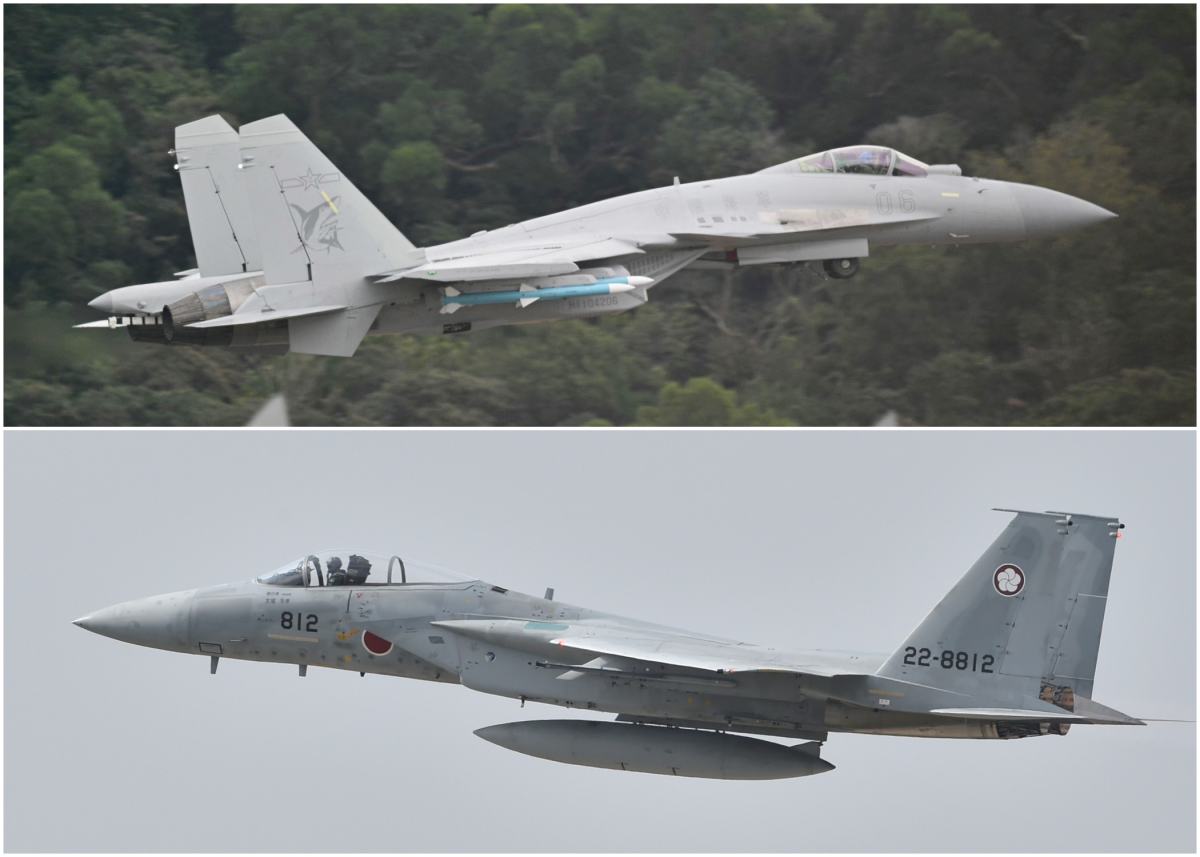
Tensions between China and Japan have escalated following an incident involving Chinese fighter jets from the aircraft carrier CNS Liaoning allegedly locking their radar on Japanese Air Self-Defense Force aircraft. Japan’s Defense Minister Shinjiro Koizumi condemned the action as “dangerous” and exceeding what would be necessary for safe flight operations, though no Japanese aircraft or personnel were harmed. The Chinese response was equally forceful, with Defense Ministry spokesperson Senior Colonel Zhang Xiaogang accusing Japan of being “a thief crying stop thief” and claiming that Japanese forces had intruded into China’s previously announced exercise and training zones. This confrontation represents a significant deterioration in already strained relations between these two major East Asian powers, particularly after Japan’s November statements about possible military intervention if China were to blockade Taiwan, the self-ruled island that Beijing has repeatedly threatened to take by force if necessary.
The Incident Details and Strategic Context
According to Japanese reports, two J-15 fighter jets from the Liaoning locked their radars on two Japanese F-15 jets for approximately three minutes starting at 4:32 p.m. and then for about 30 minutes from 6:37 p.m. on Saturday over international waters southeast of Japan’s Okinawa Island. The Japanese aircraft were enforcing Air Defense Identification Zone (ADIZ) protocols when they encountered the Chinese fighters. The Chinese naval group—consisting of the Liaoning and three destroyers (CNS Nanchang, CNS Xining, and CNS Kaifeng)—had reached the area after passing through the Miyako Strait from the East China Sea. This deployment represents China’s continued efforts to expand its military presence east of the First Island Chain, a defensive line formed by Japan, Taiwan, and the Philippines that has historically constrained Chinese military activities in the western Pacific under U.S. strategy.
Disputed Narratives and Military Positioning
By Sunday, Japanese defense officials reported that the Chinese carrier group had moved to the Philippine Sea east of Kikaijima, one of Japan’s southwestern outlying islands. Maps provided by Japan’s Defense Ministry showed that while the Chinese navy operated outside Japan’s territorial waters (which extend 13.8 miles from coastline), they were within Japan’s exclusive economic zone (extending up to 230 miles from shore). The Chinese navy, through spokesperson Senior Captain Wang Xuemeng, offered a contradictory account, stating that their J-15 jets were conducting routine training flights with proper advance notification, and that it was the Japanese jets that “repeatedly approached” their naval training area, posing “a significant risk to flight safety.” This conflicting narrative highlights the fundamental disagreement between the two nations about military rights and responsibilities in these contested waters, with each side accusing the other of dangerous and provocative behavior.
Diplomatic Fallout and Official Responses
The incident triggered immediate diplomatic actions. Japan’s Vice Foreign Minister Funakoshi Takehiro summoned Chinese Ambassador Wu Jianghao to lodge a formal protest over the radar illumination incident and demand assurances that such actions would not be repeated. Defense Minister Koizumi expressed “utmost regret” over the incident and emphasized that Japan had made “a stern demand for measures to prevent recurrence.” China rejected Japan’s protests outright and filed counter-protests, with a Foreign Ministry spokesperson claiming that Japan’s reconnaissance activities and “disruptions” of Chinese military exercises actually posed “the biggest maritime and air security risk.” Senior Colonel Zhang accused Japan of abandoning “any ill-conceived schemes” and warned against “further distancing itself from the Chinese people and the international community.” These sharp diplomatic exchanges indicate that both sides are using the incident to reinforce their broader strategic narratives rather than seeking immediate de-escalation.
Strategic Implications for Regional Security
This naval confrontation is particularly significant because it involves China’s aircraft carrier capabilities, a relatively recent development in China’s military modernization that has alarmed its neighbors. The Liaoning, one of China’s three carriers, represents Beijing’s growing ability to project power beyond its immediate coastal waters. The incident demonstrates China’s increasing willingness to assert its military presence in areas traditionally dominated by U.S. allies like Japan. For Japan, which has been gradually strengthening its military posture in response to perceived Chinese aggression, the incident reinforces Tokyo’s argument for greater defense spending and closer security ties with the United States and other partners. The proximity of these tensions to Taiwan adds another layer of complexity, as both China and Japan view the Taiwan Strait as strategically vital—China as an internal matter affecting its sovereignty, and Japan as a crucial buffer zone for its own security.
Looking Forward: Monitoring and Risk Management
In the immediate future, Japan’s military is expected to continue monitoring the Chinese naval group as it potentially approaches Japan’s main islands. There is speculation about whether the Chinese navy might attempt to circumnavigate Japan in a show of force, which would further escalate tensions. The incident highlights the increasing risk of unintended escalation in the region, where military encounters between rival powers occur with growing frequency. Without established crisis management mechanisms or clear rules of engagement that both sides respect, even routine military activities can quickly transform into dangerous confrontations. As both nations possess significant military capabilities and strong nationalist sentiments, managing these encounters responsibly becomes crucial to preventing a more serious conflict. The international community, particularly the United States as Japan’s key ally, will be watching closely to see whether this incident represents an isolated flare-up or signals a new, more aggressive phase in China’s maritime strategy in East Asia.