


The Big 12 Bowl Game Controversy: K-State and Iowa State Face Consequences for Opting Out
In the ever-evolving landscape of college football, the decisions made off the field can sometimes create as much drama as the games themselves. Such was the case in December when both Kansas State and Iowa State chose to decline bowl game invitations, a move that ultimately cost each school $500,000 in fines from the Big 12 Conference. This situation highlights the complex intersection of coaching transitions, player welfare, institutional priorities, and conference obligations.
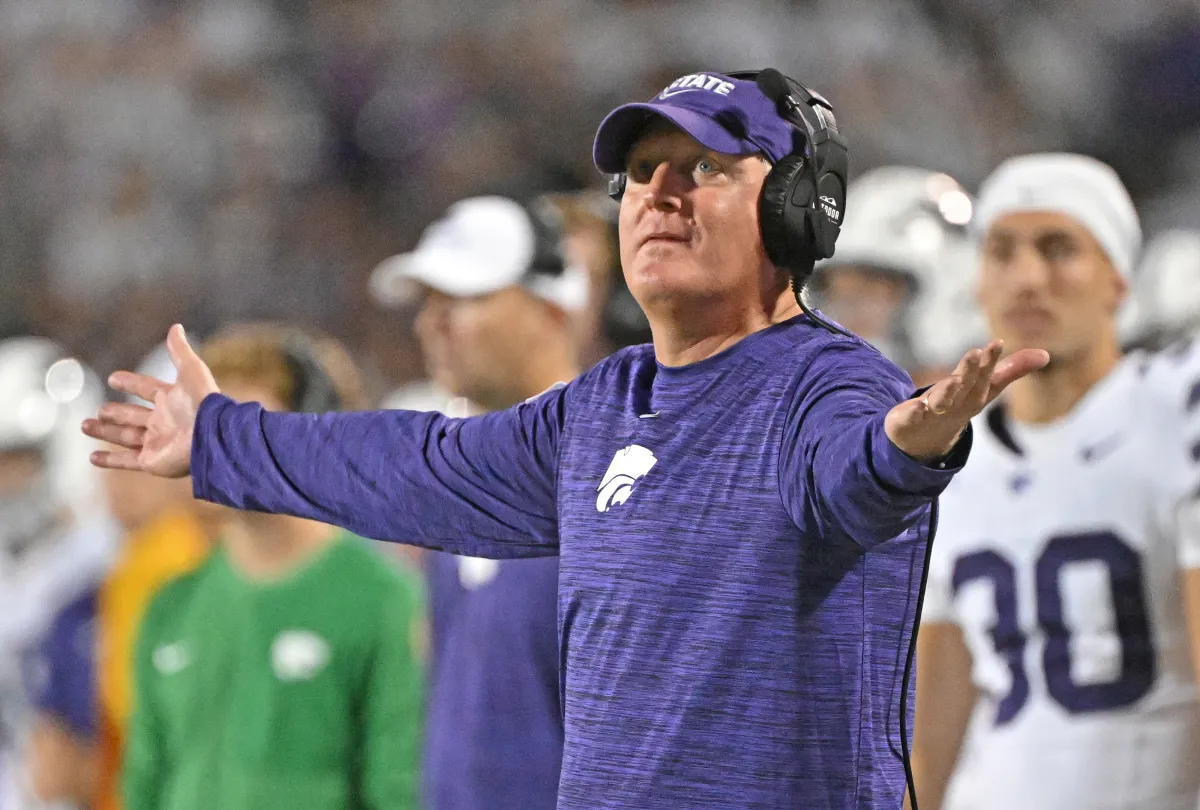
Kansas State’s decision came on December 7, following the team’s hard-fought journey to a 6-6 record, which technically qualified them for a bowl appearance. Athletic Director Gene Taylor made the difficult announcement after head coach Chris Klieman unexpectedly retired. “Following our recent coaching change and conversations with our player leadership and Commissioner Yormark, I determined that we will not accept a bowl invitation,” Taylor explained. His reasoning centered on the coaching staff transition and uncertainties about player availability, concerns that he felt would prevent the team from properly representing the university. Taylor did acknowledge the resilience of the team, which had bounced back from a disappointing 2-4 start to achieve bowl eligibility, and expressed appreciation that the seniors could conclude their careers with a victory at Bill Snyder Family Stadium rather than an undermanned bowl appearance.
Iowa State found itself in a remarkably similar situation, facing the abrupt departure of head coach Matt Campbell and many of his staff members to Penn State. Athletic Director Jamie Pollard’s announcement struck a notably different tone, emphasizing that the decision came from the players themselves, with administrators and remaining coaches merely supporting their choice. “Our student-athletes have had an incredible season,” Pollard stated, “and we are grateful for their leadership as we worked through this process with them today.” The Cyclones’ situation highlighted a growing reality in college football—the increasing voice and agency of players in major program decisions, particularly in this new era of transfer portals and name, image, and likeness compensation.
The Big 12 Conference, however, took a firm stance against both institutions’ decisions. In a terse statement, the conference announced the substantial $500,000 fine for each school, making it clear that conference obligations to bowl partners superseded the internal challenges facing member institutions. “While the Conference acknowledges the difficult timing around coaching changes,” the statement read, “the Big 12 is responsible for fulfilling its contractual obligations to its bowl partners.” The matter was declared resolved with no further comment, but the substantial financial penalty sent a clear message about the seriousness with which the conference viewed these bowl game withdrawals.
These situations reflect the changing power dynamics in college football. Bowl games, once viewed as the ultimate reward and showcase opportunity for successful programs, now sometimes compete with other priorities. For players looking toward professional careers, avoiding injury in a potentially meaningless bowl game might take precedence. For programs in transition, the practical challenges of fielding a competitive team amid coaching changes and potential transfer portal entries can be daunting. Meanwhile, conferences have multimillion-dollar contracts with bowl games that require fulfillment, creating an intrinsic tension between institutional autonomy and conference obligations.
The $500,000 fines levied against Kansas State and Iowa State represent more than just a financial penalty—they symbolize the growing pains of college football as it navigates competing interests in an increasingly commercialized and player-empowered environment. While both schools had legitimate concerns about their ability to field representative teams during coaching transitions, the Big 12’s position makes clear that bowl game commitments remain sacrosanct from a conference perspective. As college football continues to evolve with coaching carousel movements happening earlier each year and players exercising more control over their careers, the tension between institutional decision-making and conference obligations will likely persist, requiring thoughtful solutions that balance the interests of all stakeholders in the collegiate athletic ecosystem.