


A New Chapter for the Mets: The Devin Williams Signing and What It Means for the Bullpen
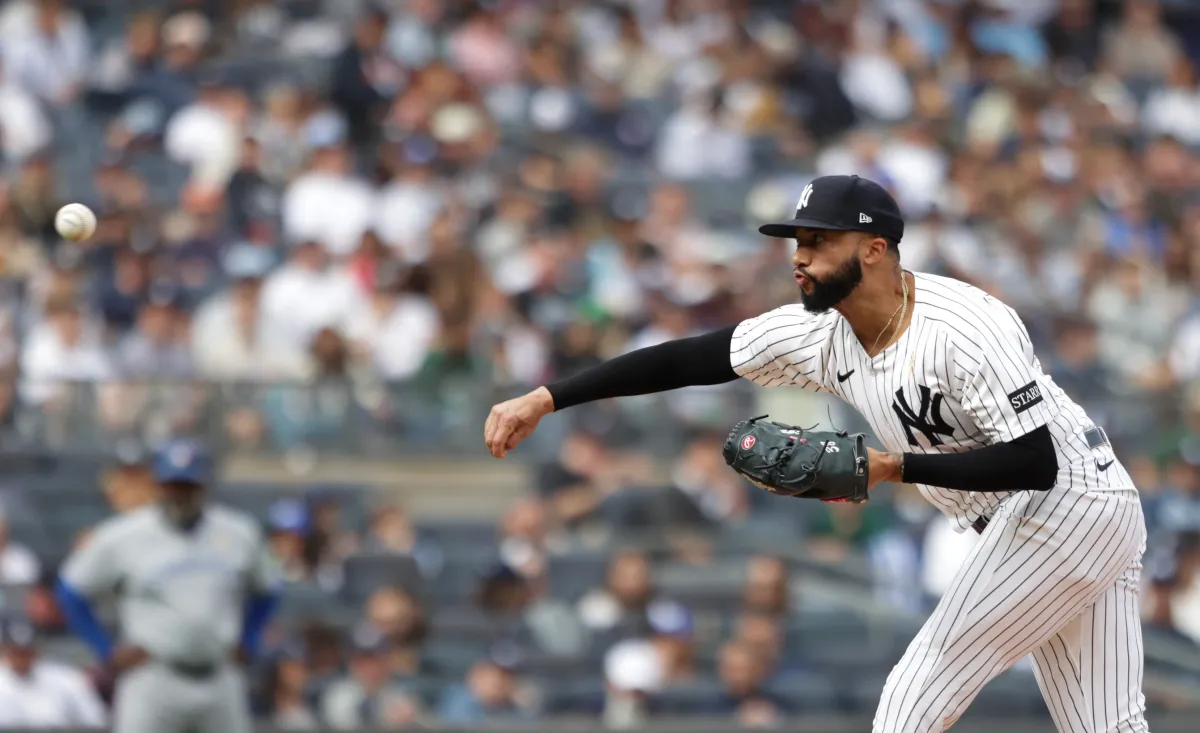
In a significant move to strengthen their bullpen, the New York Mets have secured two-time National League Reliever of the Year Devin Williams on a three-year, $51 million contract. This strategic acquisition comes at a time of uncertainty regarding Edwin Díaz’s future with the team. Díaz, who claimed the National League Reliever of the Year award this season, has opted out of his $102 million contract and is reportedly seeking another nine-figure deal in free agency. The situation creates an intriguing dynamic for the Mets’ bullpen heading into the upcoming season, with Williams’ role hanging in the balance until Díaz’s decision is finalized. If Díaz returns, Williams would likely serve in a setup role, but should Díaz depart, Williams would step into the closer position—a role he’s certainly qualified to fill given his impressive track record.
During a recent appearance on SNY, Williams addressed the possibility of working alongside Díaz with remarkable professionalism and team-first mentality. “I think it’s just a good situation,” Williams explained. “If he comes back, I think we’re going to have a really good back end of the ‘pen. More good arms is always a good thing. That’s really it.” His comments reflect not only a mature approach to the uncertain situation but also highlight the potential strength the Mets’ bullpen could possess with both elite relievers on the roster. This perspective speaks volumes about Williams’ character and his understanding that a formidable bullpen requires multiple high-caliber arms working in tandem, rather than individual stars competing for the spotlight.
The 2023 season was something of an anomaly for Williams, representing the most challenging campaign of his otherwise stellar career. After establishing himself as a superstar closer for the Milwaukee Brewers and being widely regarded as among baseball’s elite relievers, Williams experienced some struggles that raised questions about his trajectory. However, a closer look at his performance reveals encouraging signs beneath the surface statistics. Despite posting a higher ERA than in previous seasons, Williams demonstrated his continued ability to dominate hitters, recording the second-highest strikeout rate in Major League Baseball during the second half of the season—an impressive 39.3% among pitchers with at least 25 innings pitched. Additionally, opponents managed just a .197 batting average against him, suggesting that his fundamental skills remain intact.
The Mets’ acquisition of Williams appears increasingly shrewd when considering his previous success in roles throughout the bullpen. Before ascending to the closer position in Milwaukee, Williams thrived as the setup man for Josh Hader, forming one of baseball’s most formidable late-inning combinations. This experience could prove invaluable if Díaz returns, as Williams has already demonstrated his ability to excel in the eighth inning before handing the ball to an elite closer. The potential pairing of Williams and Díaz could give the Mets a devastating one-two punch that would be the envy of teams throughout the league, significantly shortening games and providing manager Carlos Mendoza with flexible high-leverage options in critical situations.
Conversely, should Díaz sign elsewhere, the Mets have positioned themselves admirably with Williams as a fallback option. His challenging 2023 season appears more likely to be an outlier than the beginning of a downward trend, especially considering his continued ability to miss bats at an elite rate. With 86 career saves already under his belt, Williams has demonstrated the mental fortitude and pitching arsenal necessary to succeed in the ninth inning. Perhaps most importantly, Mets President of Baseball Operations David Stearns has firsthand knowledge of Williams’ capabilities from their time together in Milwaukee, providing additional confidence that this signing represents a sound investment regardless of Díaz’s decision.
The Williams acquisition exemplifies the forward-thinking approach of the Mets’ front office under Stearns’ leadership. Rather than waiting for Díaz’s free agency to resolve before addressing the bullpen, the organization has proactively secured an elite reliever who provides both insurance and enhancement. This flexibility allows the Mets to enter negotiations with Díaz from a position of strength rather than desperation, potentially saving tens of millions while still ensuring late-inning stability. Whether Williams ultimately serves as the closer or as part of baseball’s most formidable relief duo, the signing represents a significant upgrade for a Mets team with championship aspirations. As the offseason continues to unfold, this move may well be remembered as one of the shrewdest of the winter, regardless of how Díaz’s situation ultimately resolves.