


Republicans at Risk of Losing House Amid Affordability Concerns, Says Former Ohio Governor
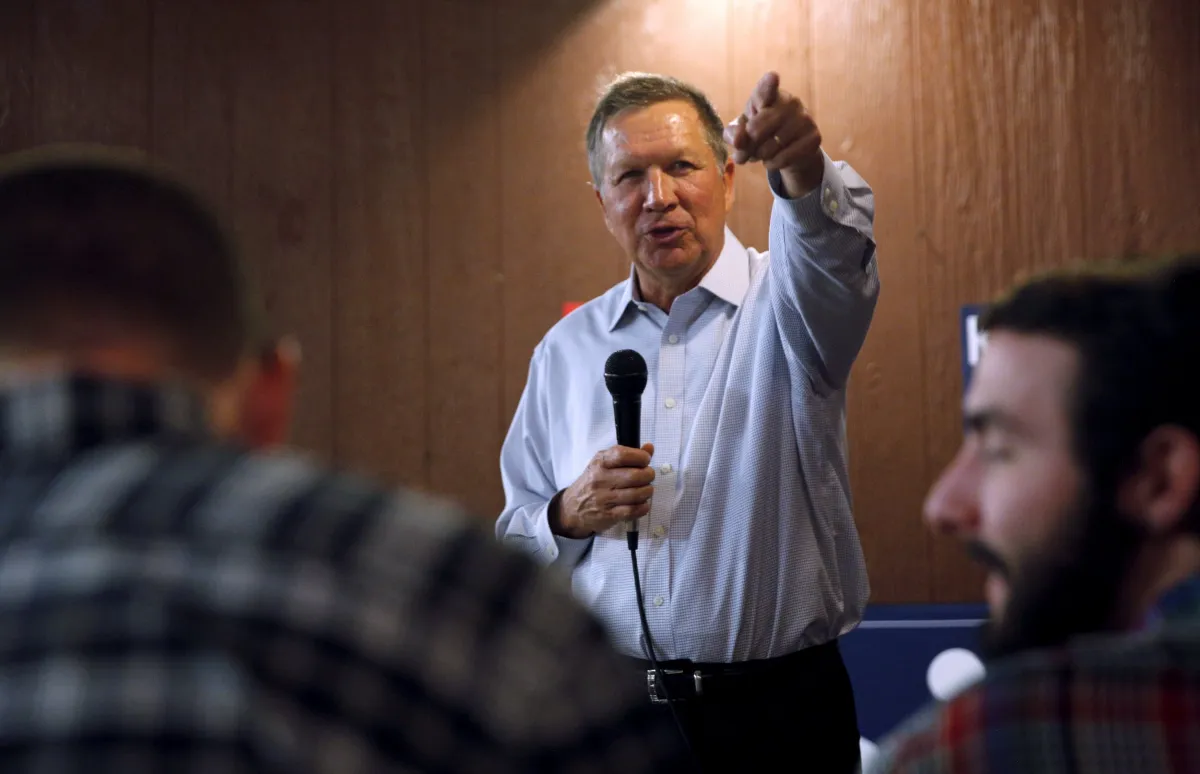
Former Ohio Republican Governor John Kasich has warned that his party faces a serious threat of losing control of the House in the 2026 midterm elections. Speaking to Newsweek, Kasich pointed to recent Democratic victories in state and local elections, as well as a surprisingly competitive congressional race in Tennessee, as evidence of growing voter concerns about economic affordability under President Trump’s administration. “The voters have spoken. They believe that the economy is not in good shape and they’re upset about rising prices,” said Kasich, who has long been critical of Trump since competing against him for the 2016 Republican presidential nomination. The former governor and congressman didn’t mince words about his party’s prospects, stating, “I expect they’re not going to hold the House.”
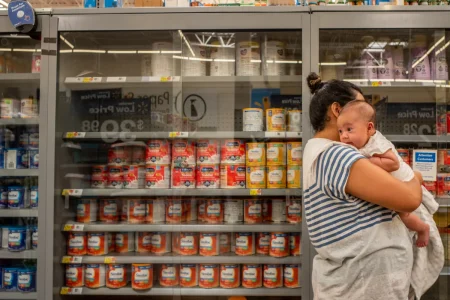
President Trump’s messaging on affordability has been inconsistent in recent weeks as he attempts to reorient his economic agenda ahead of the midterms. While Trump initially praised New York City Mayor-elect Zohran Mamdani for successfully campaigning on cost-of-living issues, he later reversed course, dismissing affordability as a “con job” perpetrated by Democrats. During an Oval Office event, Trump blamed the Biden administration for inflation, stating, “I inherited the worst inflation in history. There was no affordability. Nobody could afford anything.” Kasich, however, believes this argument will fail to resonate with voters who are experiencing financial pressure firsthand. “You can’t convince people about how much they’re spending on items when they go to the grocery store,” he observed, highlighting the disconnect between political rhetoric and everyday economic realities.
Kasich suggested that Trump could potentially regain economic credibility by supporting efforts to balance the federal budget. The former governor outlined such a plan in a recently published column and indicated he had forwarded the proposal to the White House. This approach reflects Kasich’s long-standing fiscal conservatism and his belief that addressing government spending could help Republicans reconnect with voters concerned about economic stability. By promoting concrete policy solutions rather than merely disputing the existence of affordability problems, Kasich implies that Republicans might find a more effective strategy for addressing voter concerns ahead of the challenging midterm landscape.
Recent polling data adds weight to Kasich’s warning about Republican vulnerabilities. According to a new Gallup poll, Trump’s approval rating has dropped to 36 percent, the lowest of his second term. While the president maintains strong support among Republicans at 84 percent, this represents a decline from the 91 percent approval he enjoyed in January. Kasich acknowledged this trend, noting, “You can see that the Republican support is not what it was. It’s dropped.” Nevertheless, he doesn’t expect Trump to lose significant backing among his core MAGA supporters, suggesting the president’s base remains largely intact despite these modest declines in overall Republican support.
Looking beyond the upcoming midterms, Kasich offered his predictions for the 2028 presidential race, anticipating crowded primary fields for both major parties. “There’s going to be a wide open primary” for the Republican nomination, he stated, implying that the post-Trump era will likely feature a diverse array of candidates competing to define the party’s future direction. On the Democratic side, Kasich framed the challenge more specifically: “The question for the Democrats is simply going to be can they nominate somebody that understands the values of the public.” He offered a stark assessment of what would happen if Democrats selected a progressive standard-bearer, warning, “If they go far left again they’ll get wiped out.”
Kasich’s analysis highlights the complex political dynamics at play as both parties navigate voter concerns about affordability and economic security. His warnings to Republicans about the 2026 midterms suggest that despite controlling the White House and currently holding both chambers of Congress, the GOP faces significant challenges in maintaining its congressional majority. The former governor’s emphasis on practical solutions like budget balancing reflects his belief that voters are looking for substantive approaches to economic issues rather than partisan finger-pointing. As affordability concerns continue to shape the political landscape, both parties will need to develop compelling economic messages that resonate with Americans experiencing financial pressure in their daily lives.